Compare 65 ready-made illustration styles for articles and newsletters. Preview the results, see which topics suit each style, and choose the look for your draft. Zyncli proposes the image ideas; you review them before generating.
Explore bold magazine-style illustrations for business analysis and opinion writing. Signal Editorial uses cropped forms and a restrained color palette.
See warm paper collage illustrations for essays, education, and personal growth. Paper Notes combines torn edges, pencil traces, and quiet layered scenes.
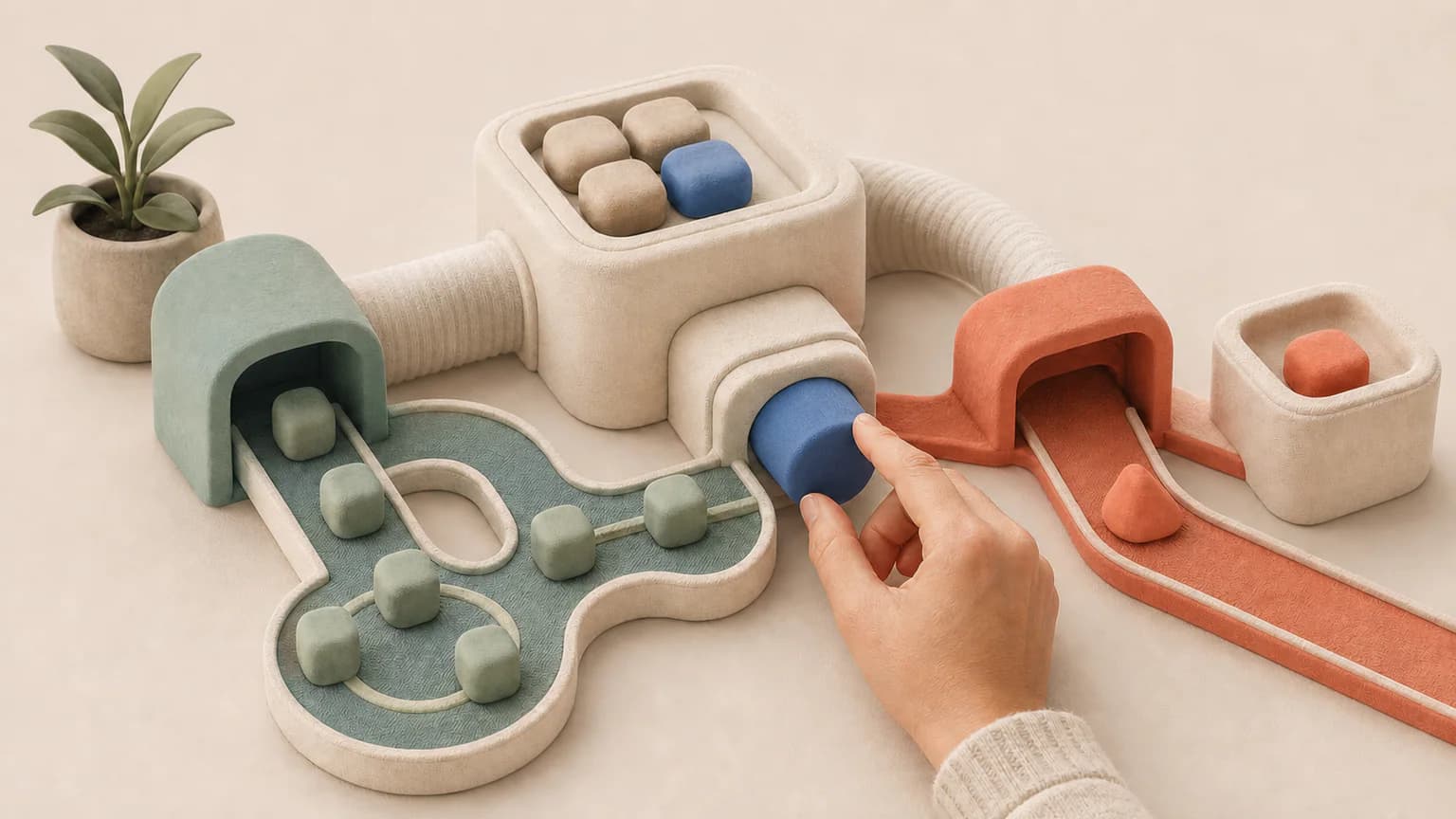
Preview soft 3D illustrations for product stories and beginner guides. Rounded objects, tactile surfaces, and gentle lighting keep the tone approachable.
Illustrate AI, cybersecurity, and infrastructure articles with modular collage. Signal Matrix shows system relationships without generic robot imagery.
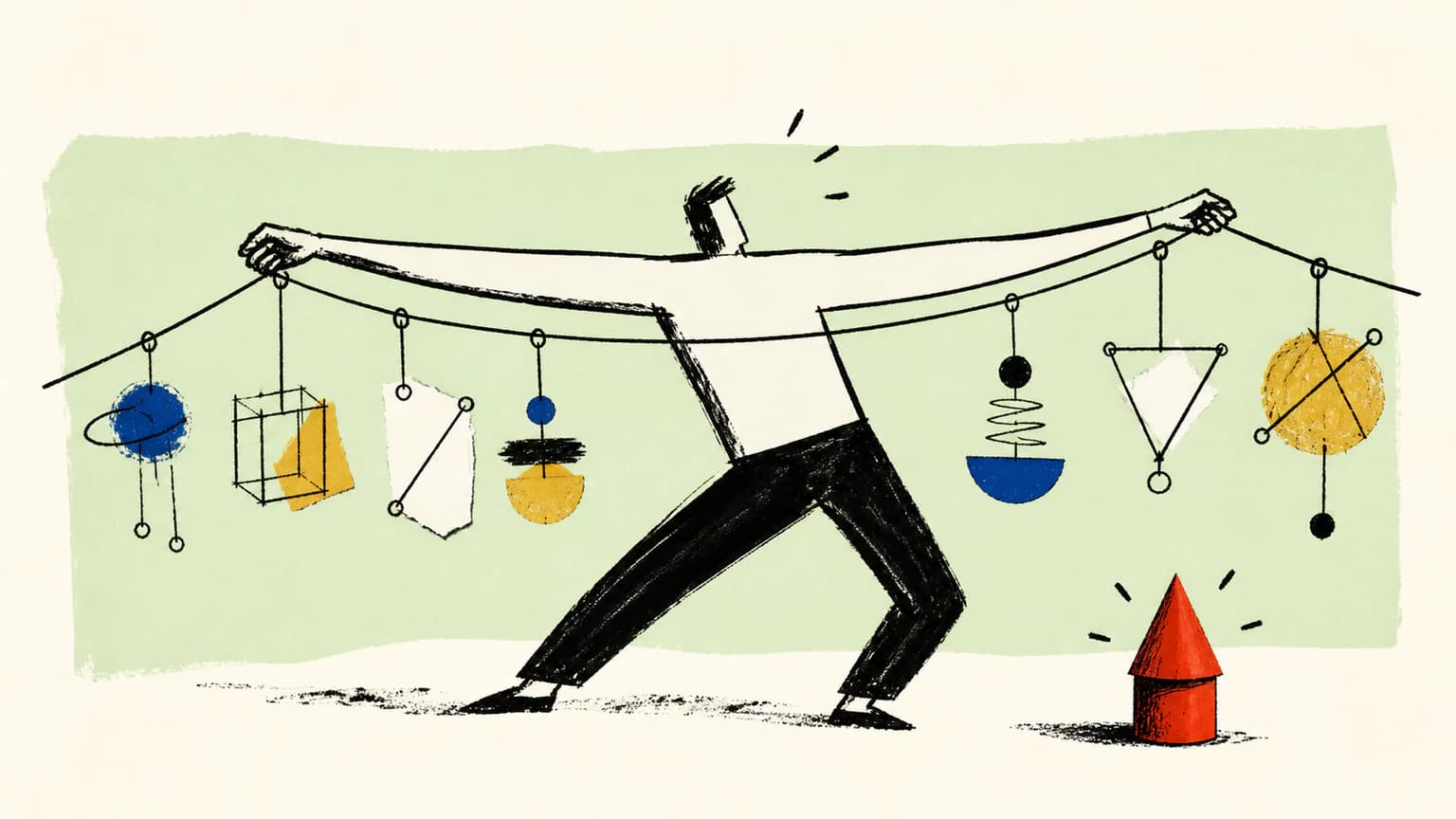
Explore geometric illustrations for strategy, opinion, and cultural essays. Bauhaus Signals uses circles, planes, and negative space to express tension.
Show team culture and leadership through workplace illustrations. Office Stories uses expressive adults, readable interiors, and specific shared actions.
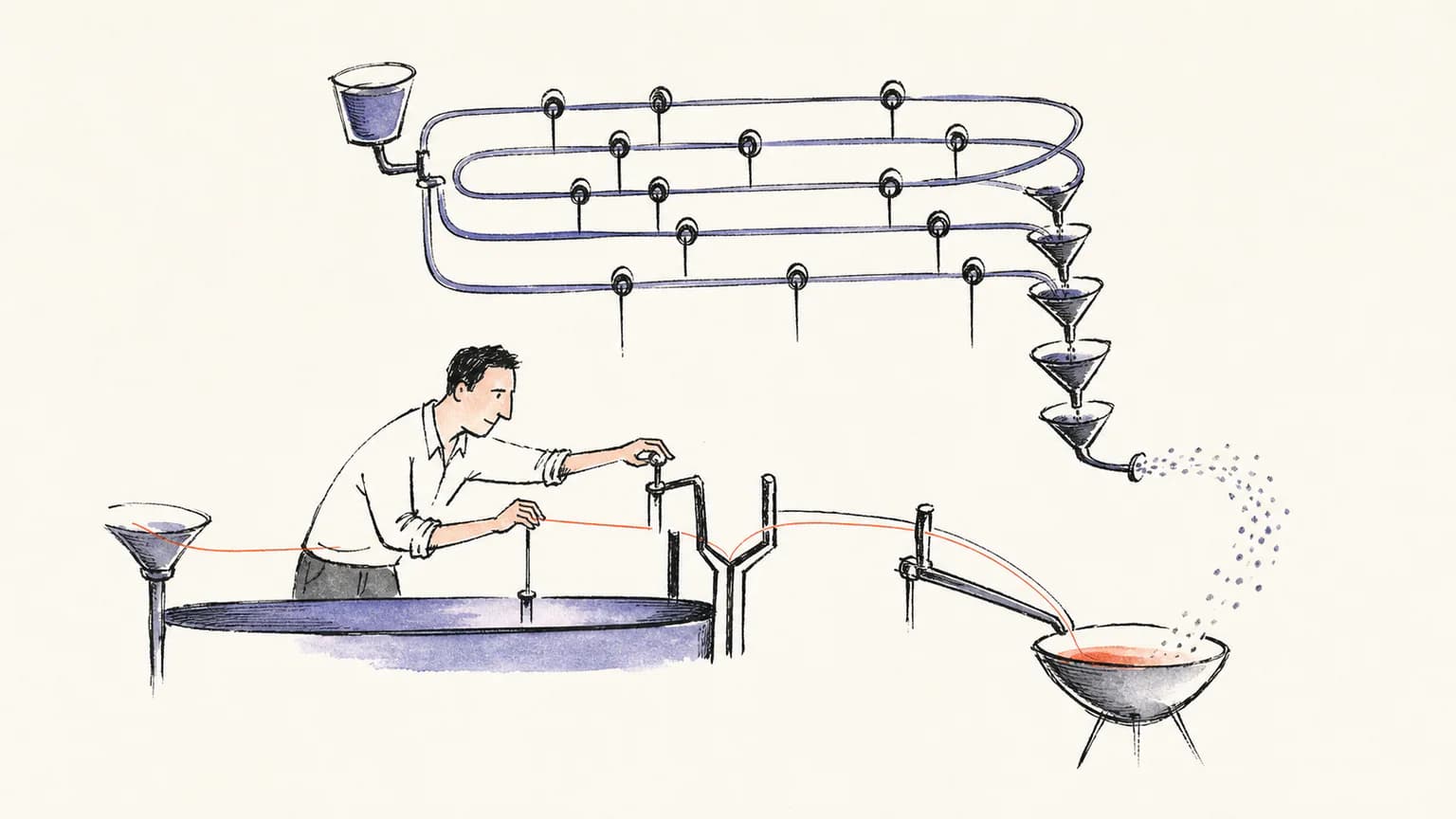
Explore ink and watercolor editorial illustrations for opinion essays and human ideas. Ink Metaphor pairs variable linework with a selective color wash.
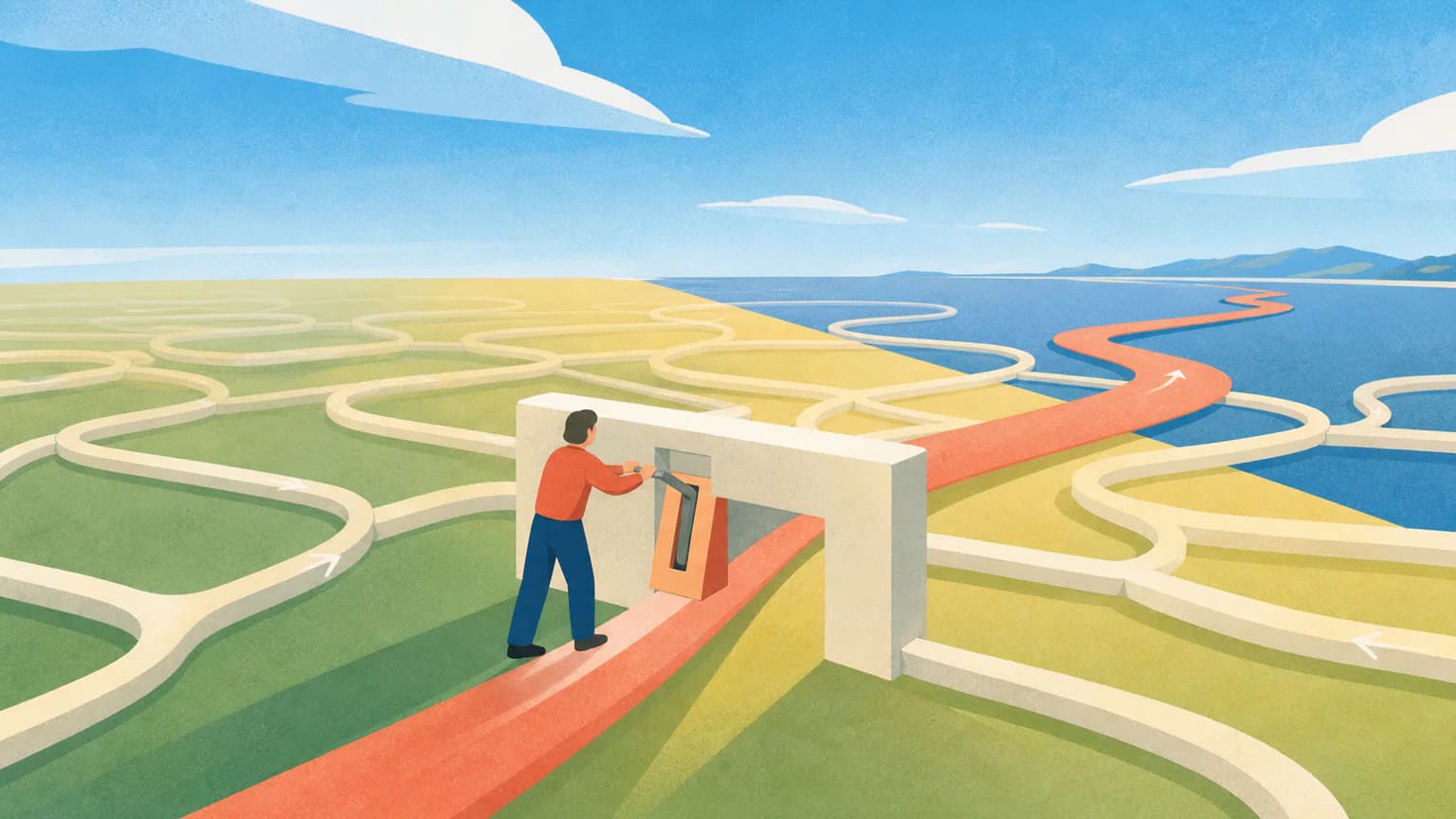
Explore bright landscape illustrations for leadership and change articles. Sunlit Editorial uses matte color fields, layered space, and small human journeys.
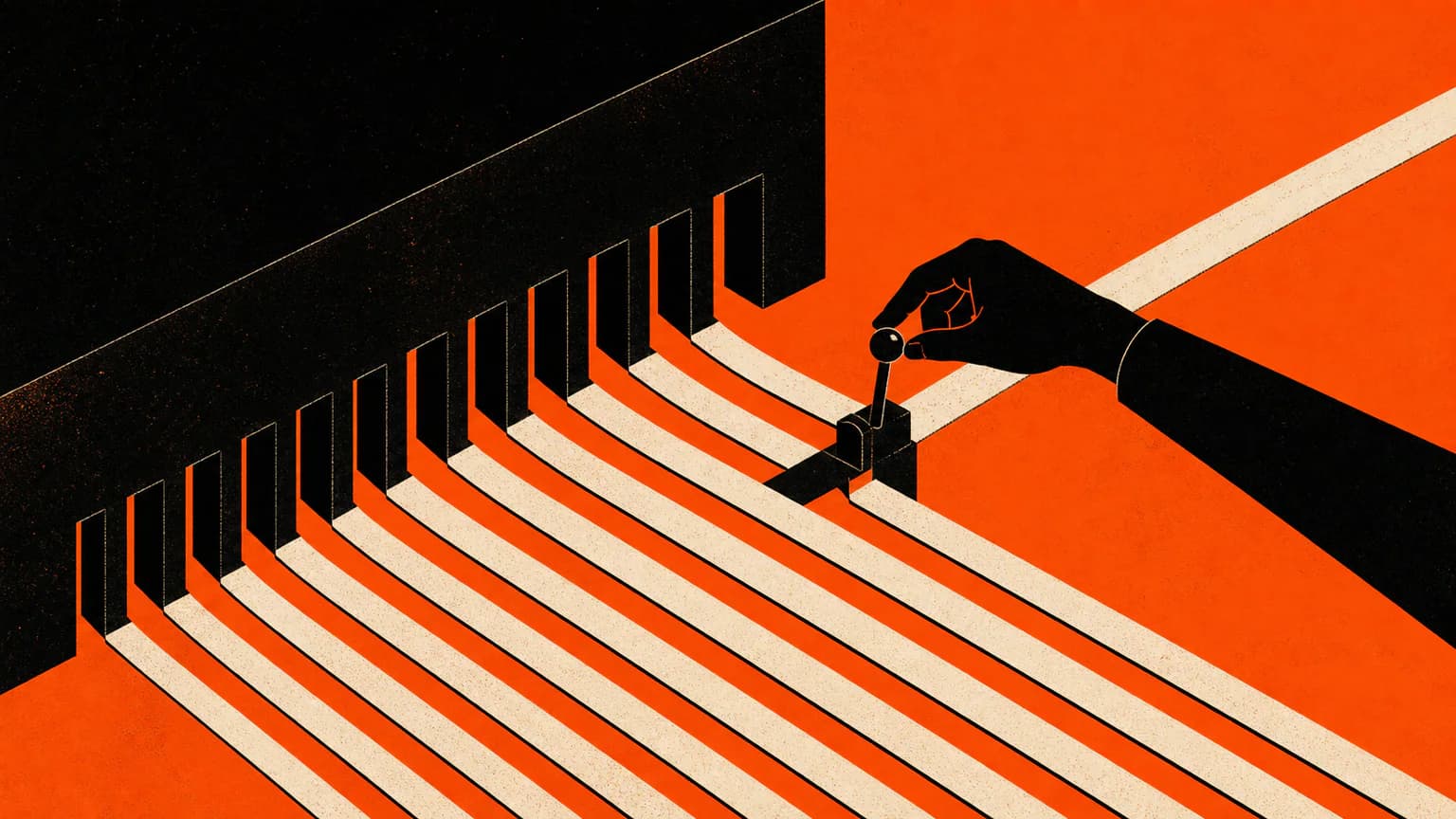
Make an opinion article's central tension visible with orange-and-black illustrations. Orange Impact uses hard silhouettes and decisive screen-print-like crops.
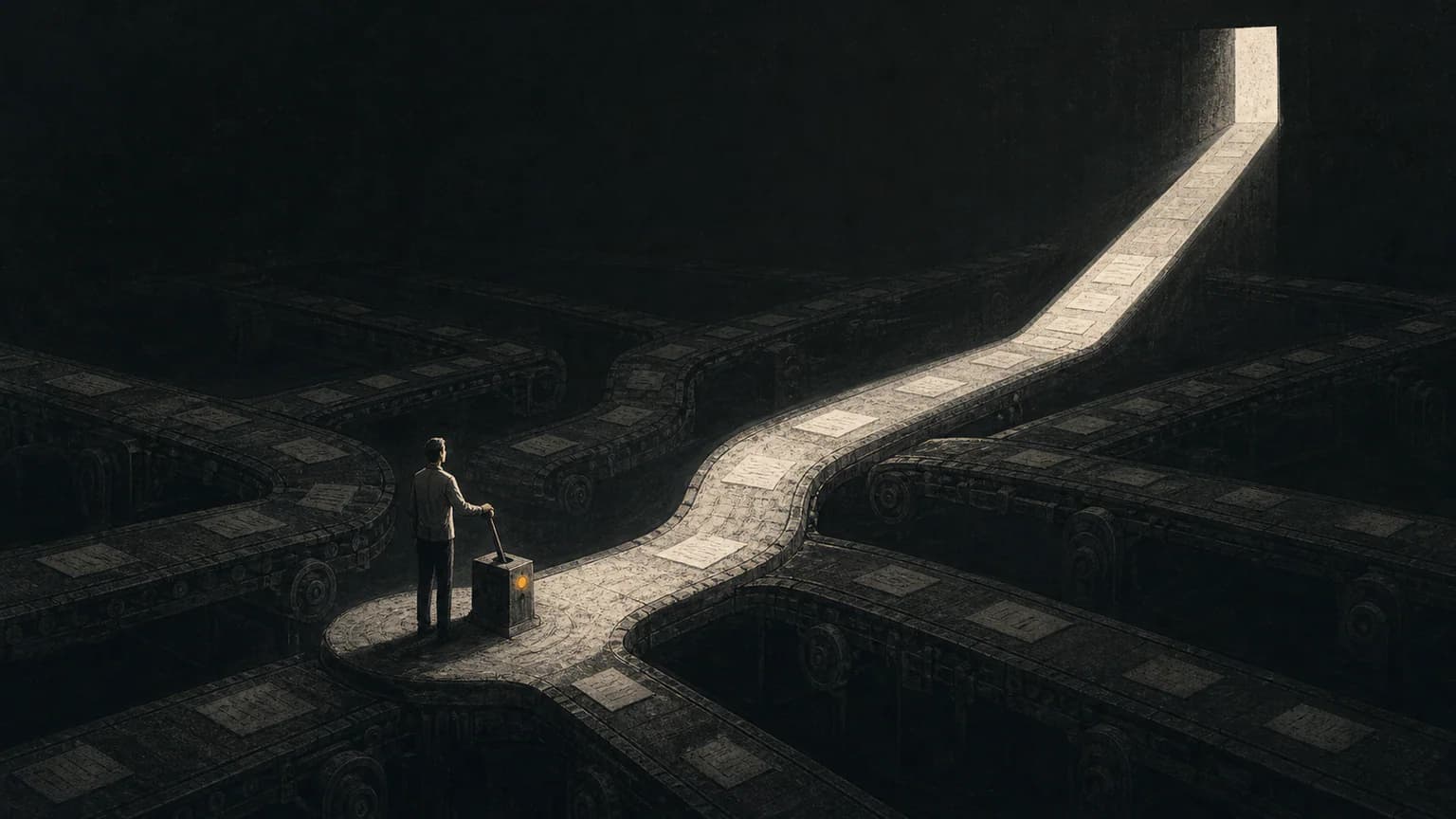
Explore cinematic noir illustrations for investigations, risk, and narrative essays. Noir Frames combines charcoal grain, dark space, and small human figures.
Illustrate creative work and learning with warm gouache workspace scenes. Cozy Knowledge Workspace focuses on tools, inhabited rooms, and purposeful activity.
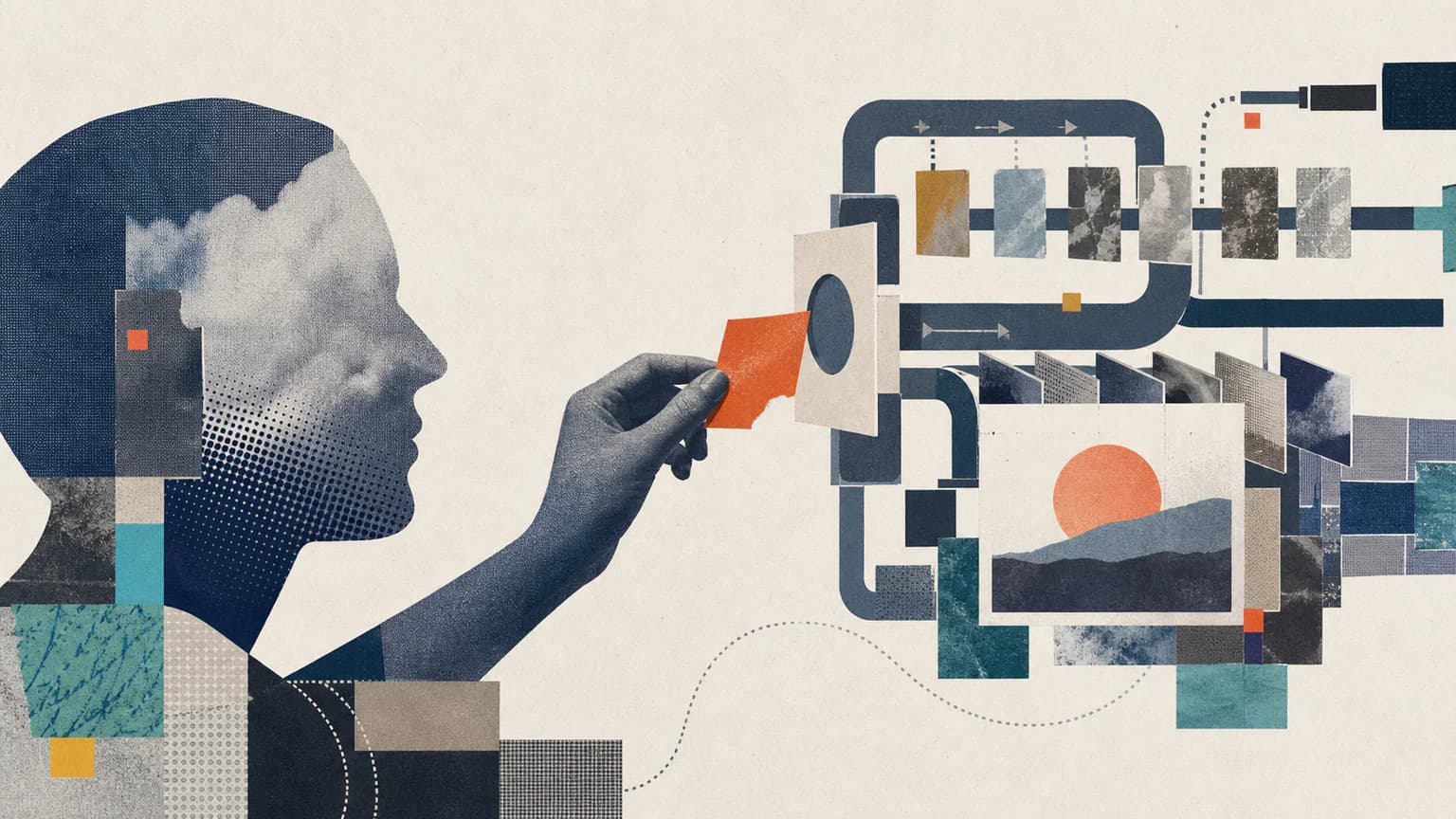
Explore cut-paper editorial collage for culture, media, and technology essays. Layered fragments, scale contrasts, and halftone give ideas a tactile frame.
Explore black-and-white teamwork illustrations for people, culture, and accessibility articles. Inclusive Monochrome uses clear adult gestures and open space.
Illustrate information overload and digital culture with painterly media scenes. Media Vortex contrasts a flood of signals with one human act of selection.
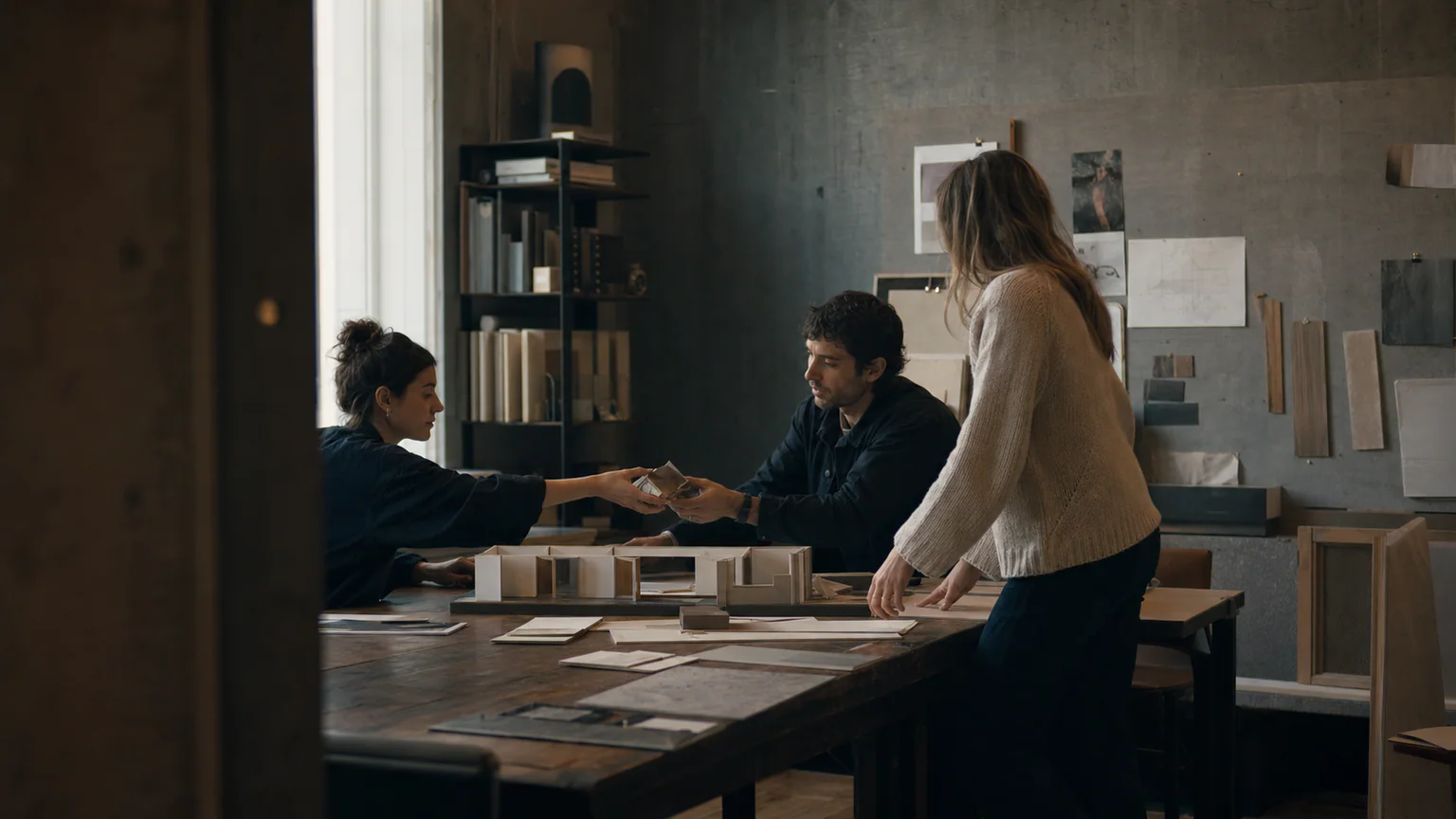
Preview AI-generated workplace images with natural light and candid-style actions. Documentary Work offers a photographic look for general editorial concepts.
Explore AI-generated editorial portraits for personal essays and people-centered ideas. Directional light and meaningful settings frame an anonymous subject.
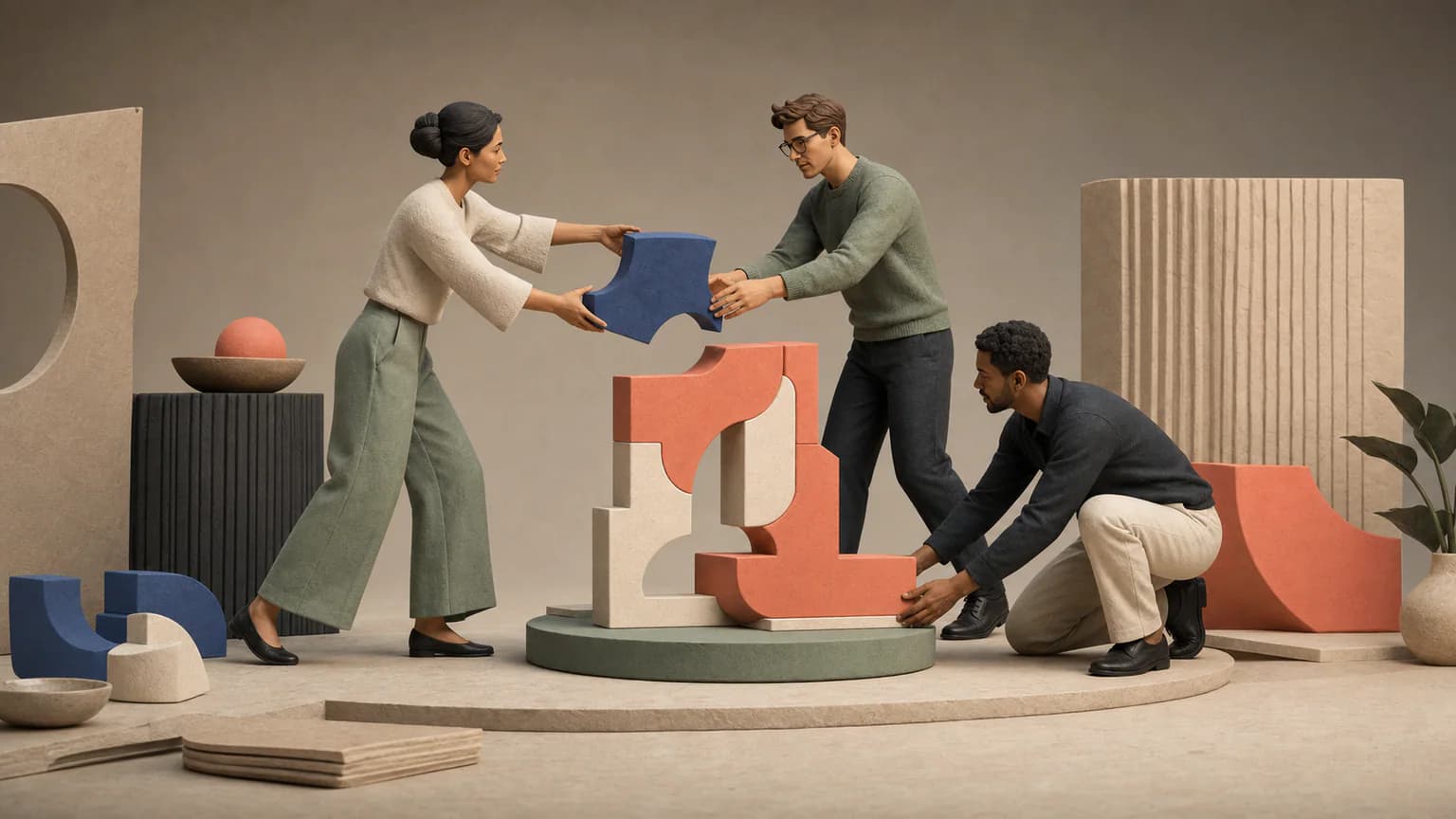
Explore matte 3D character illustrations for product, workplace, and learning articles. Sculpted Characters uses adult figures and clear physical gestures.
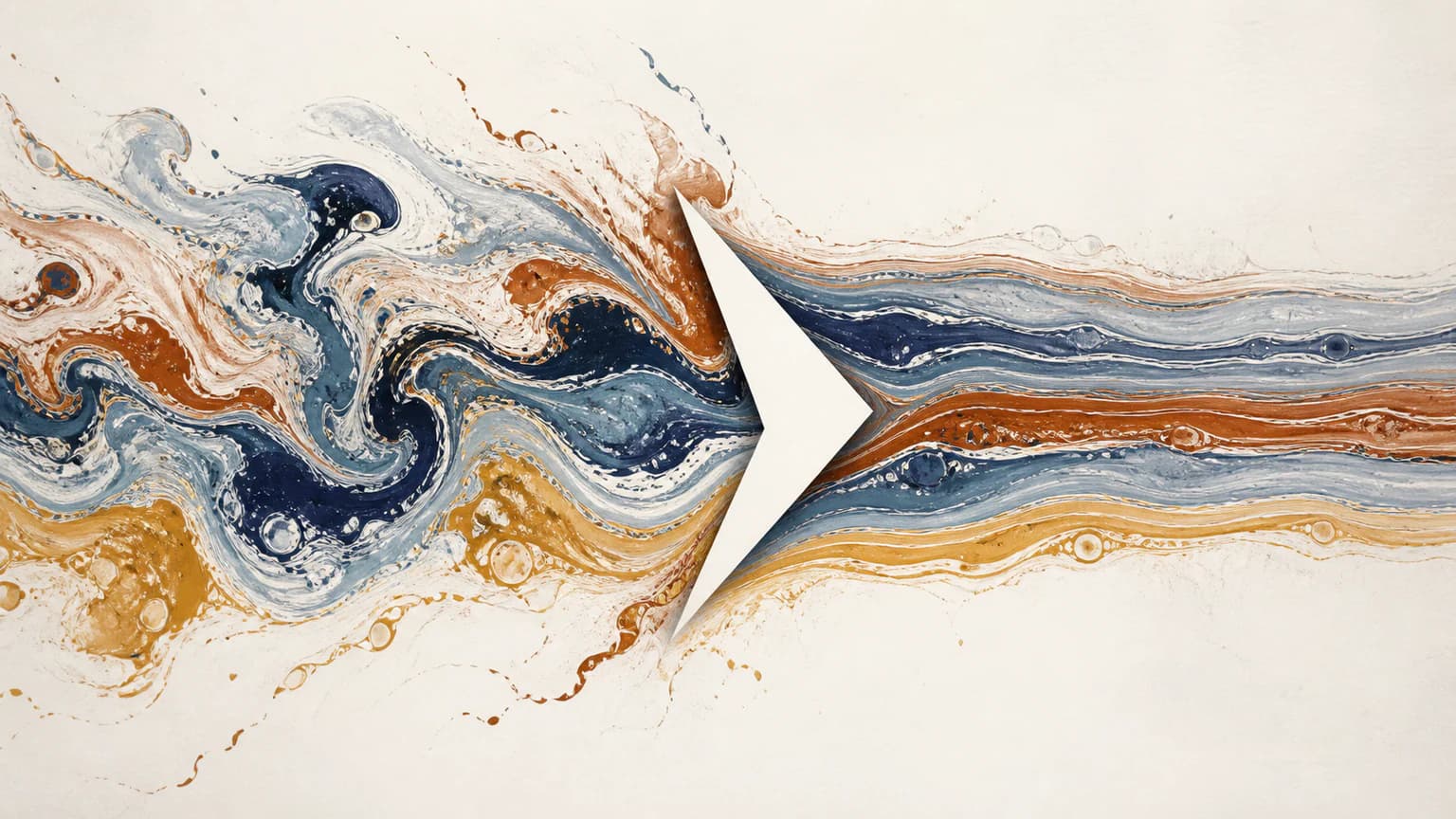
Show a strategic turning point with converging ribbons and balanced information zones. Preview conceptual transformation illustrations for reports and articles.
Explore metallic 3D illustrations for technology strategy and transformation. Chrome Currents uses brushed surfaces, cobalt supports, and directional force.
See gouache illustrations for learning, research, and collaboration articles. Opaque brushwork and observed gestures give each scene a painterly human focus.
Explore oil-painting-style illustrations for ethics, leadership, and long-form essays. Figurative scenes and controlled light give symbolic actions weight.
Explore cyanotype-style collage for research, architecture, and memory essays. Blue photogram-like fragments and coral stitches connect an archival composition.
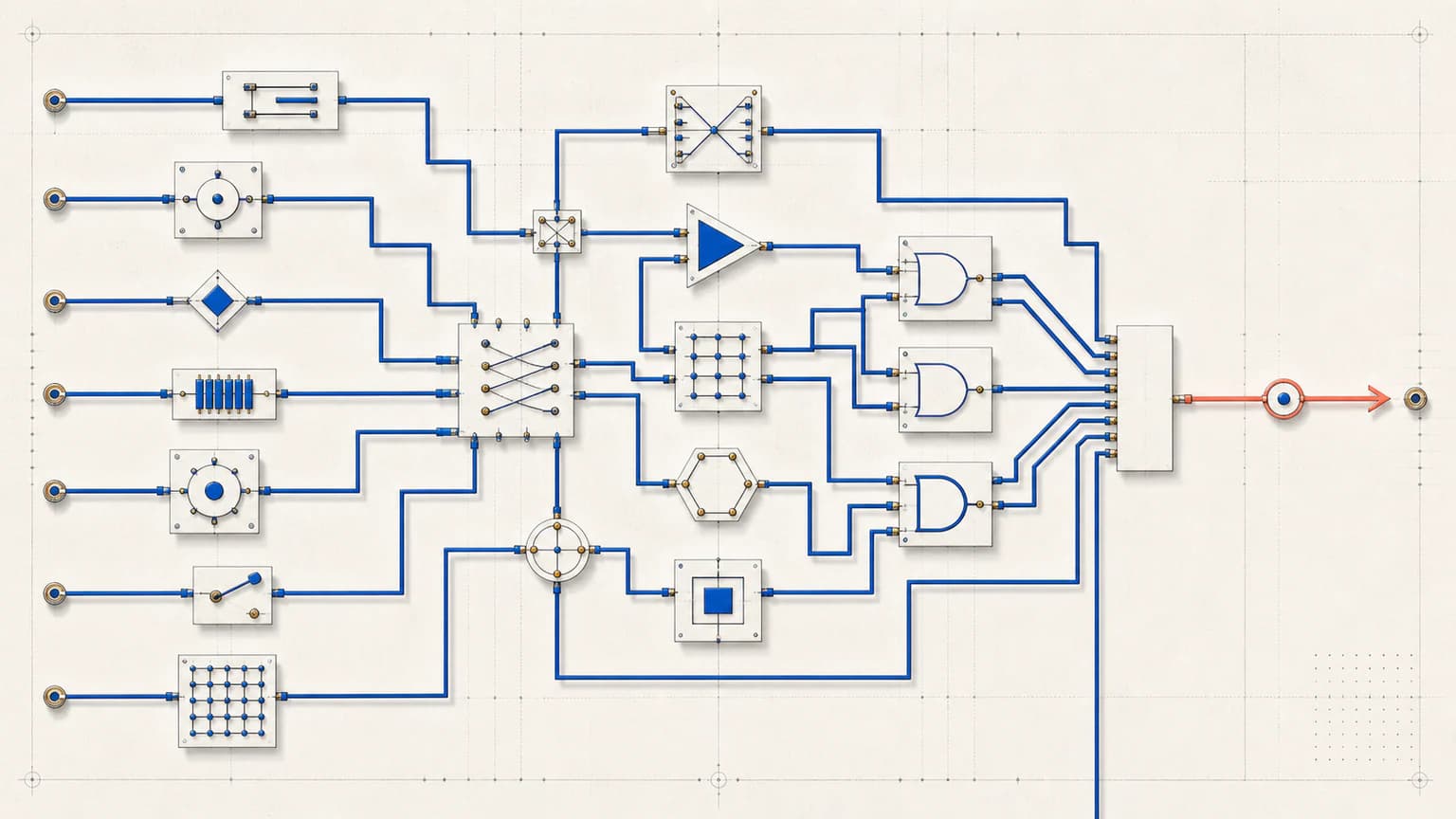
Explore schematic-style illustrations for AI workflows and infrastructure articles. Orthogonal paths and restrained modules make a system relationship visible.
Explore AI conceptual still-life images for business tradeoffs and strategy. Believable materials, restrained studio light, and object tension carry the idea.
Explore ink-wash illustrations for reflective essays about change and uncertainty. Quiet fields, architectural passages, and a small color cue suggest a route.
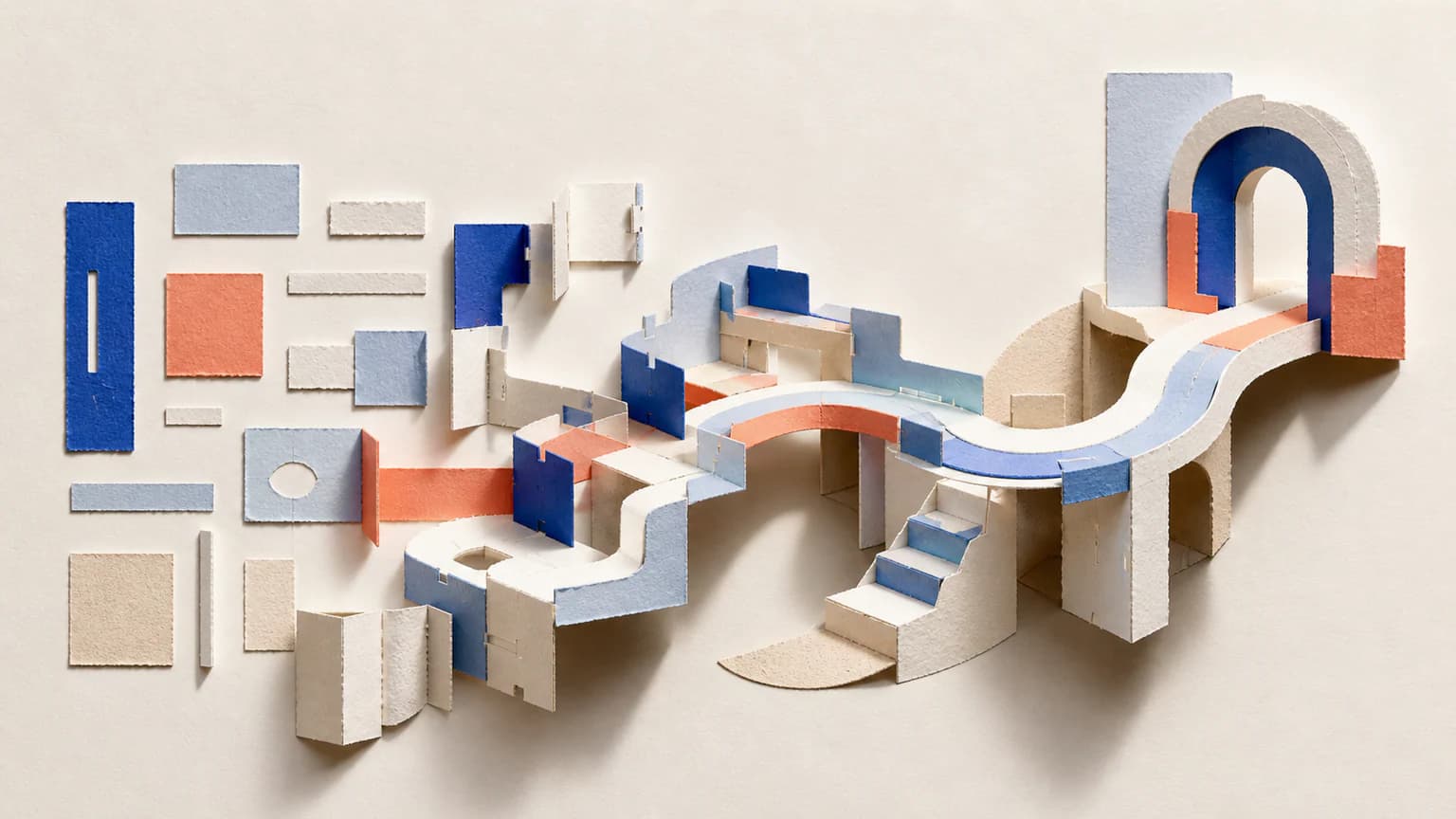
See paper-relief illustrations for design thinking, processes, and organizational change. Folded structures and cast shadows turn a plan into a physical scene.
Explore risograph-style illustrations for opinion columns and cultural debate. A small ink palette, layered shapes, and print grain frame a clear conflict.
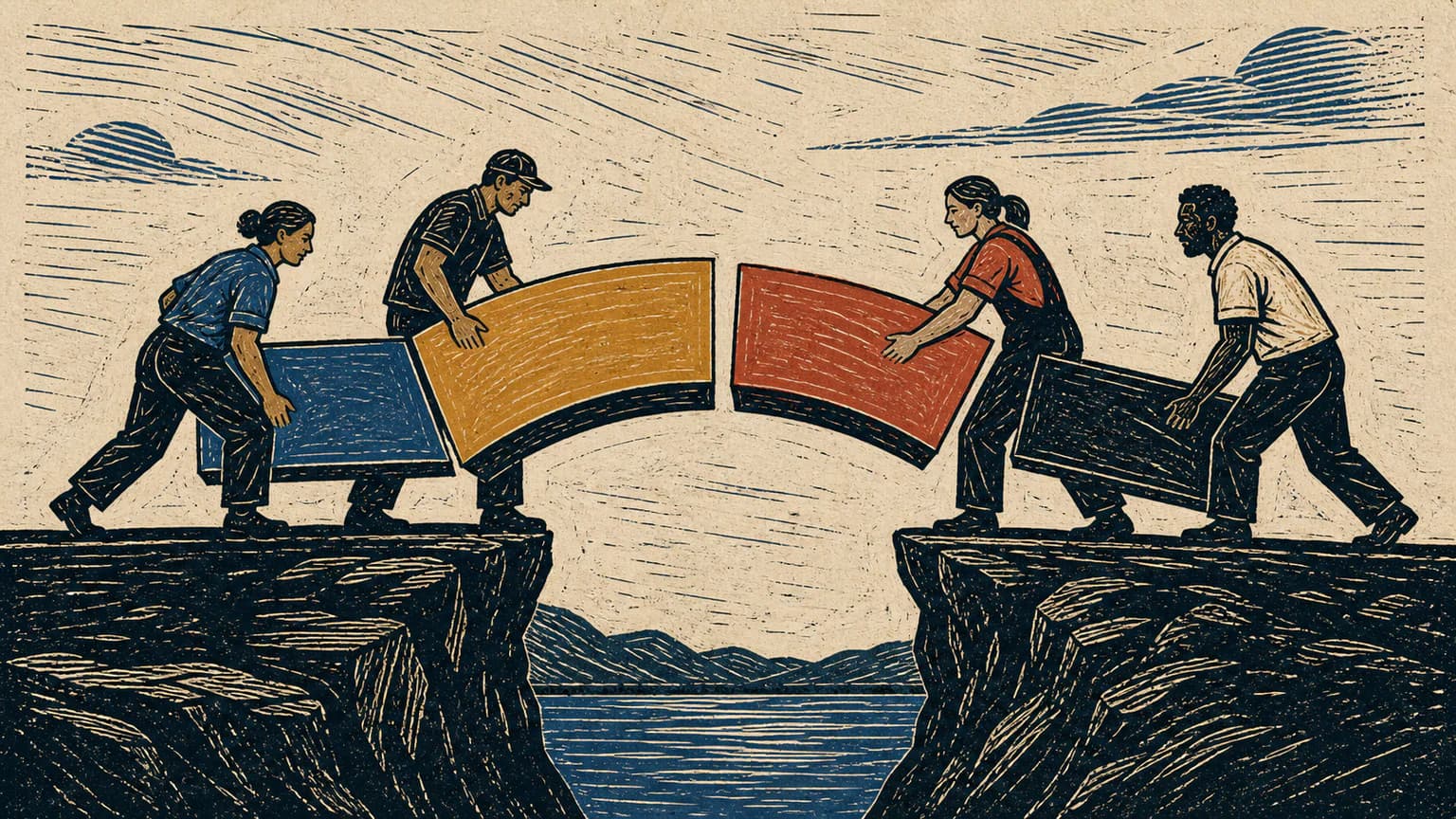
Explore linocut-style illustrations for labor, society, and historical essays. Carved marks and strong figures give collective action a visible structure.
Explore mosaic-style illustrations for community and organizational culture. Ceramic fragments remain distinct as they assemble into a larger structure.
Explore soft pastel illustrations for wellbeing, creative practice, and personal change. Powdery edges and a small human figure give transitions a quiet tone.
Explore stained-glass-style illustrations for culture, identity, and synthesis. Joined fragments and transmitted color make an assembled structure visible.
Explore charcoal illustrations for public systems and investigative writing. Rough marks, working adults, and selective color put attention on the inquiry.
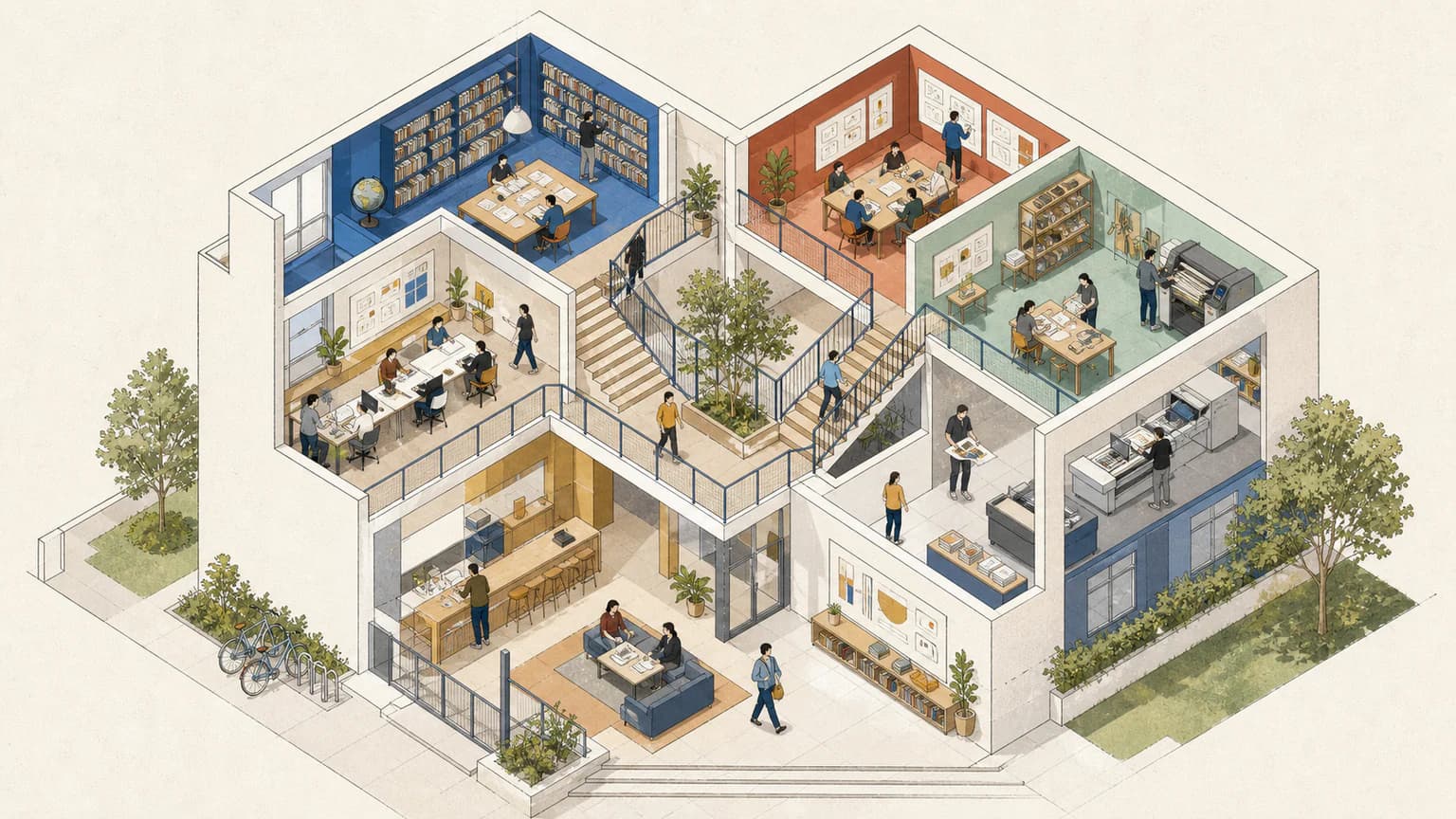
See axonometric workplace illustrations for service design and shared infrastructure. Open rooms and activity zones reveal how people use a common space.
Explore shadow-theatre illustrations for hidden dependencies and power. Layered paper silhouettes and a cobalt backlight reveal a relationship through alignment.
Explore conceptual double-exposure images for identity, memory, and place. An anonymous silhouette and a landscape connect inner experience with surroundings.
IllustrationLine and particle illustrationContemplative
Constellation Hands
Explore symbolic illustrations for trust, governance, and stewardship. Copper linework, human hands, and small constellations show contributions taking shape.
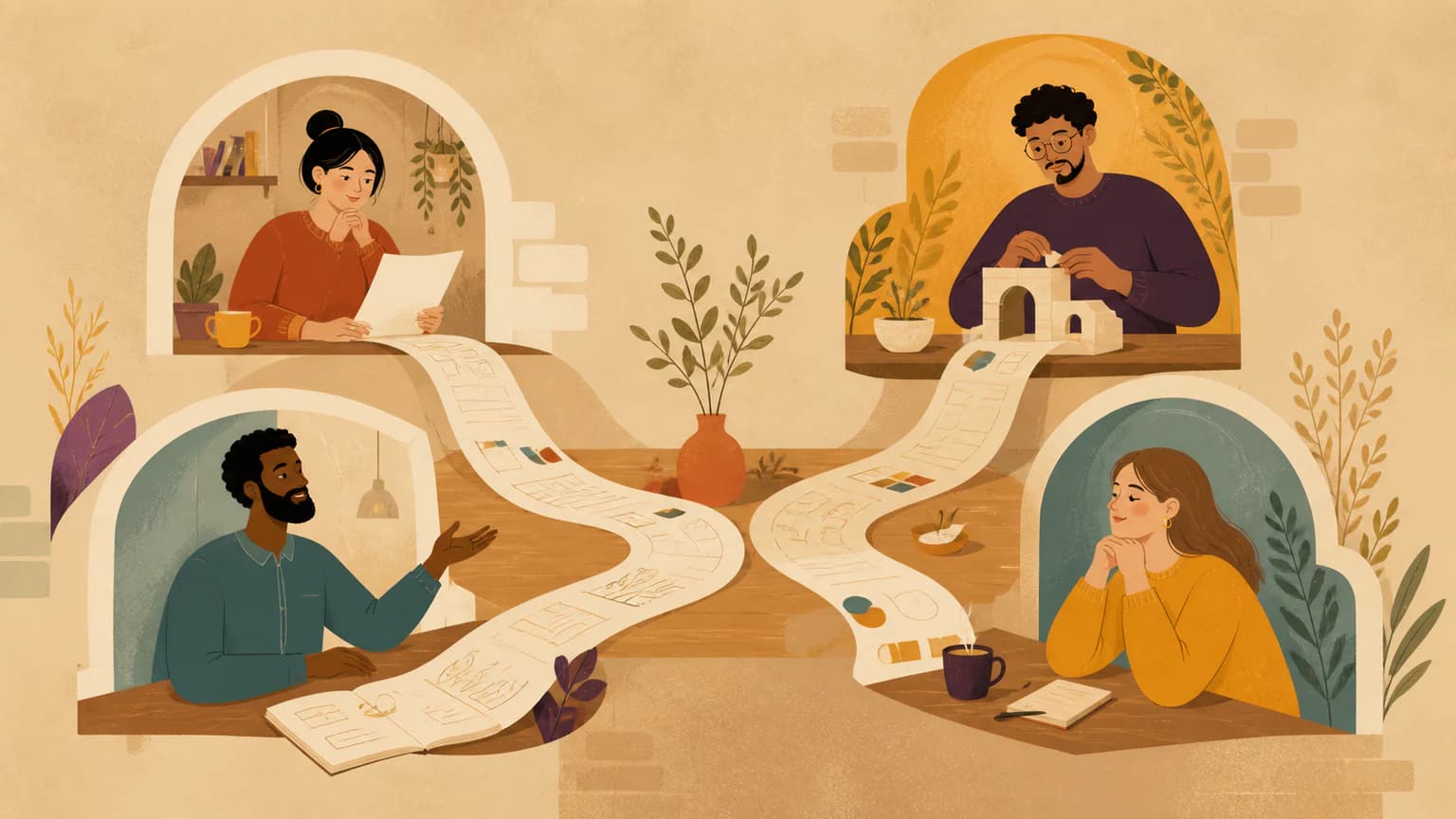
Explore remote work illustrations for distributed teams and online communities. Warm modular rooms show individual activities connected by shared signals.
Explore bold illustrations for creator economy and community articles. A central participant and a controlled pulse of responses make audience exchange visible.
Explore gentle mental health illustrations for articles about care and relationships. Quiet gestures, soft geometry, and open space keep the tone restrained.
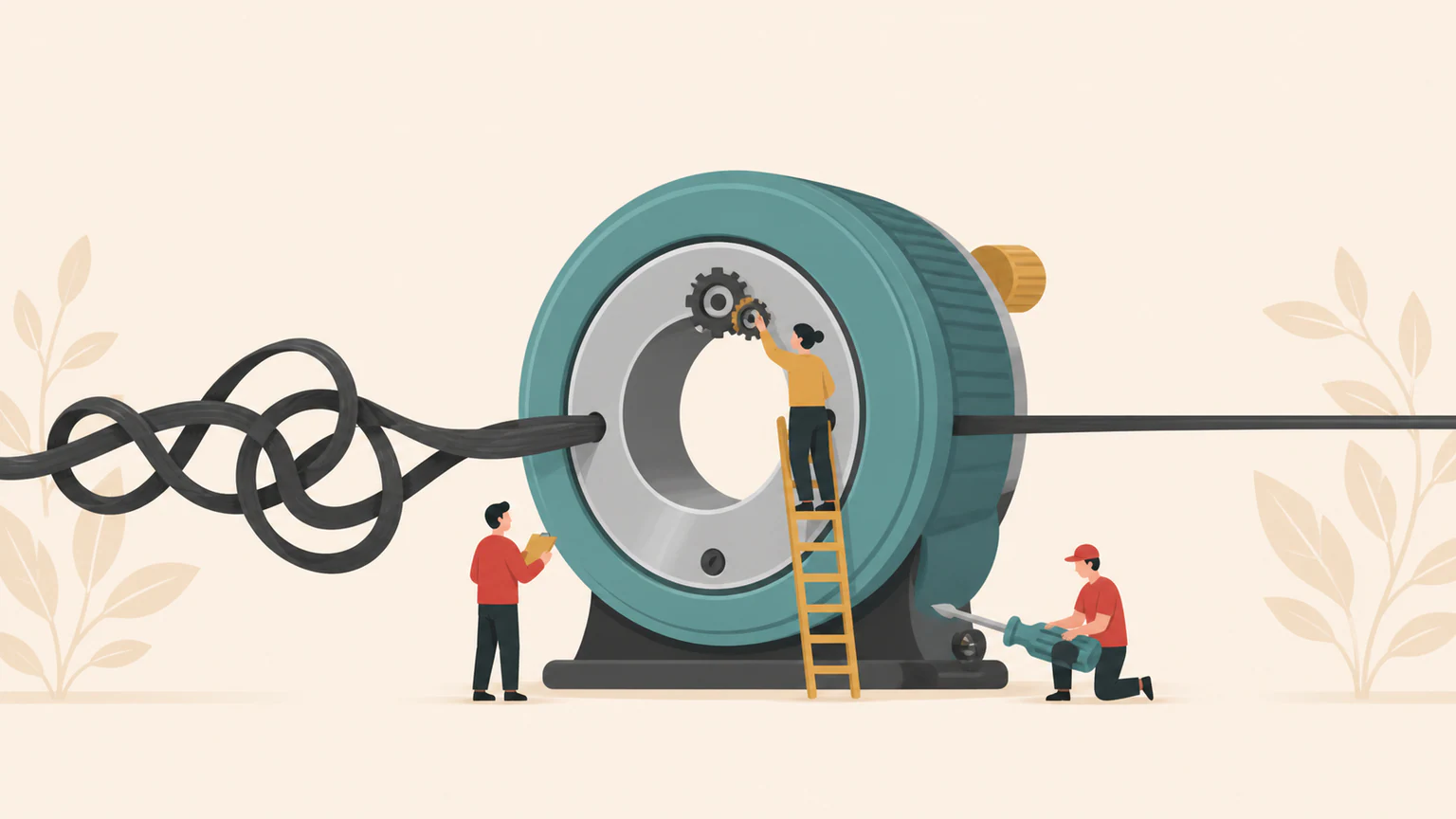
Explore architectural 3D illustrations for operations and enterprise systems. Small workers and oversized mechanisms make scale, maintenance, and leverage visible.
Explore satirical workplace illustrations for opinion writing. Raw Logic uses naive ink, flat color, and an awkward physical setup to expose a contradiction.
Explore colorful illustrations for creative work, growth, and transformation. Sweeping curves and an expressive figure give an article a sense of movement.
Explore playful 3D teamwork illustrations for community and learning articles. A candy palette, grainy surfaces, and distinct silhouettes keep groups readable.
Explore pixel art illustrations for blogs and newsletters about decisions and learning. Pixel Dispatch uses chunky scenes, limited colors, and clear actions.
Explore vintage cartoon illustrations for workplace humor and opinion newsletters. Elastic limbs and expressive tools turn a procedural problem into a visual gag.
Explore scratchboard-style illustrations for risk and investigative articles. Fine ivory cuts on black reveal a structure, pressure point, or hidden relationship.
Explore miniature diorama illustrations for operations and team handoffs. Handmade-looking wood, tiny figures, and small mechanisms invite close inspection.
Explore pop-up-book-style illustrations for learning and discovery. Bright folded card, paper hinges, and an unfolding action reveal a change in perspective.
Explore translucent tape collage for collaboration, compromise, and patchwork systems. Visible overlaps and torn joins show the effort of holding parts together.
Explore wordless comic illustrations for opinion articles and workplace tradeoffs. Two halftone panels show a situation and its consequence without dialogue.
Explore sculpted-sand illustrations for change, friction, and strategic obstacles. Raked channels, granular ridges, and small markers make a route tangible.
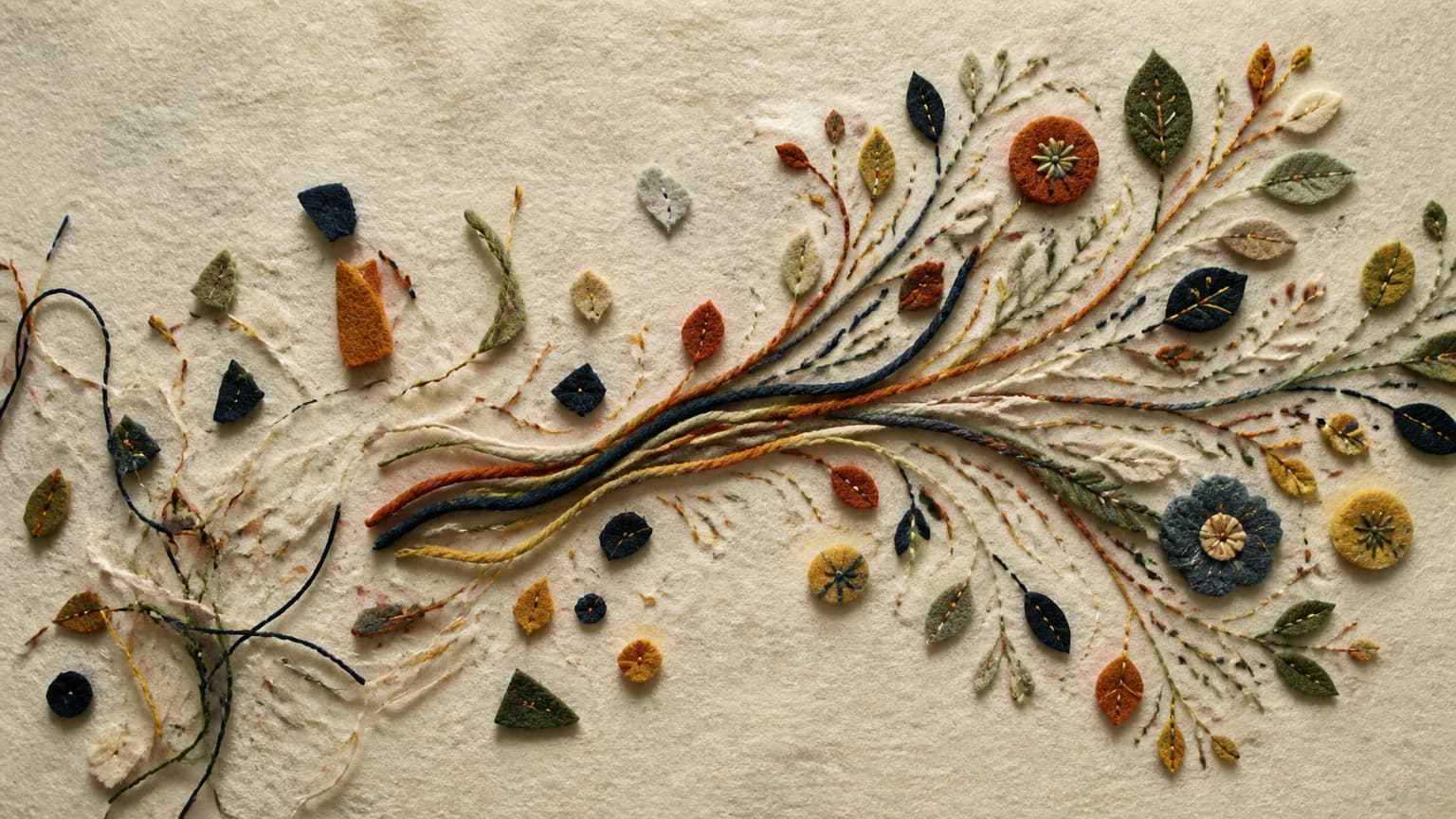
Explore botanical-style illustrations for growth and interdependence essays. Invented plant mechanisms use roots, grafts, and supports to explain a relationship.
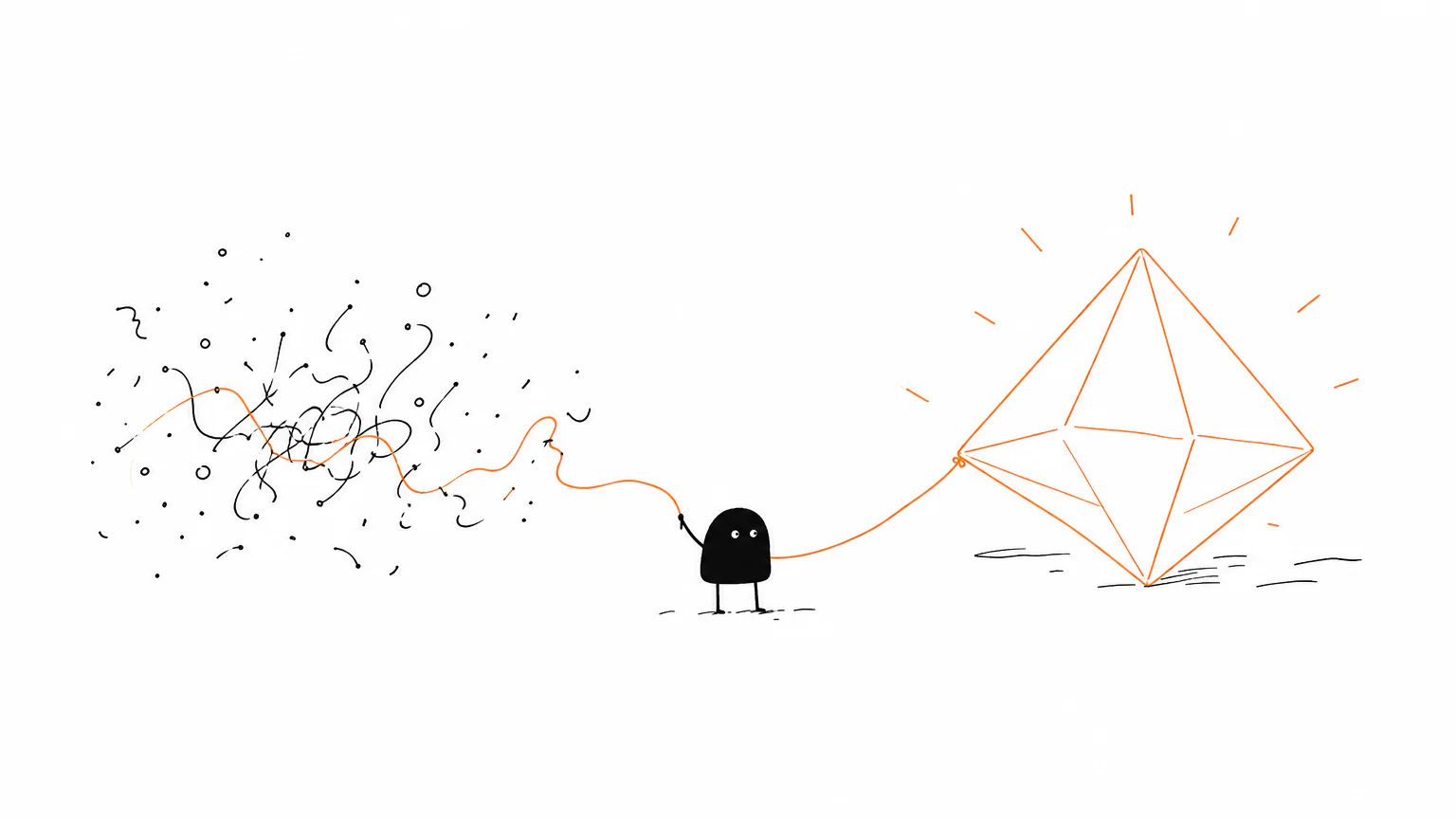 Character-led
 Magazine
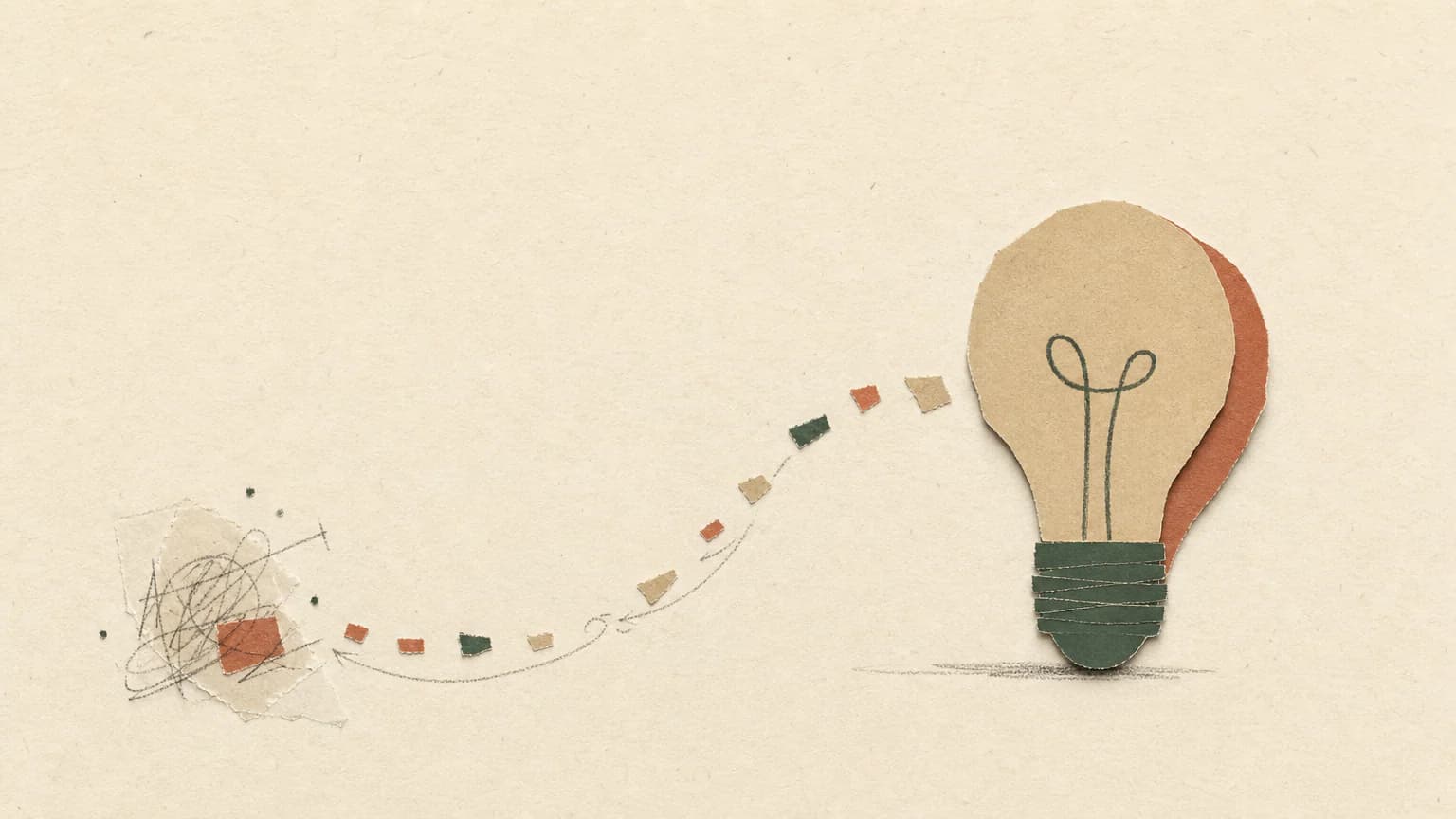 Collage
 Explainer
 Atmospheric
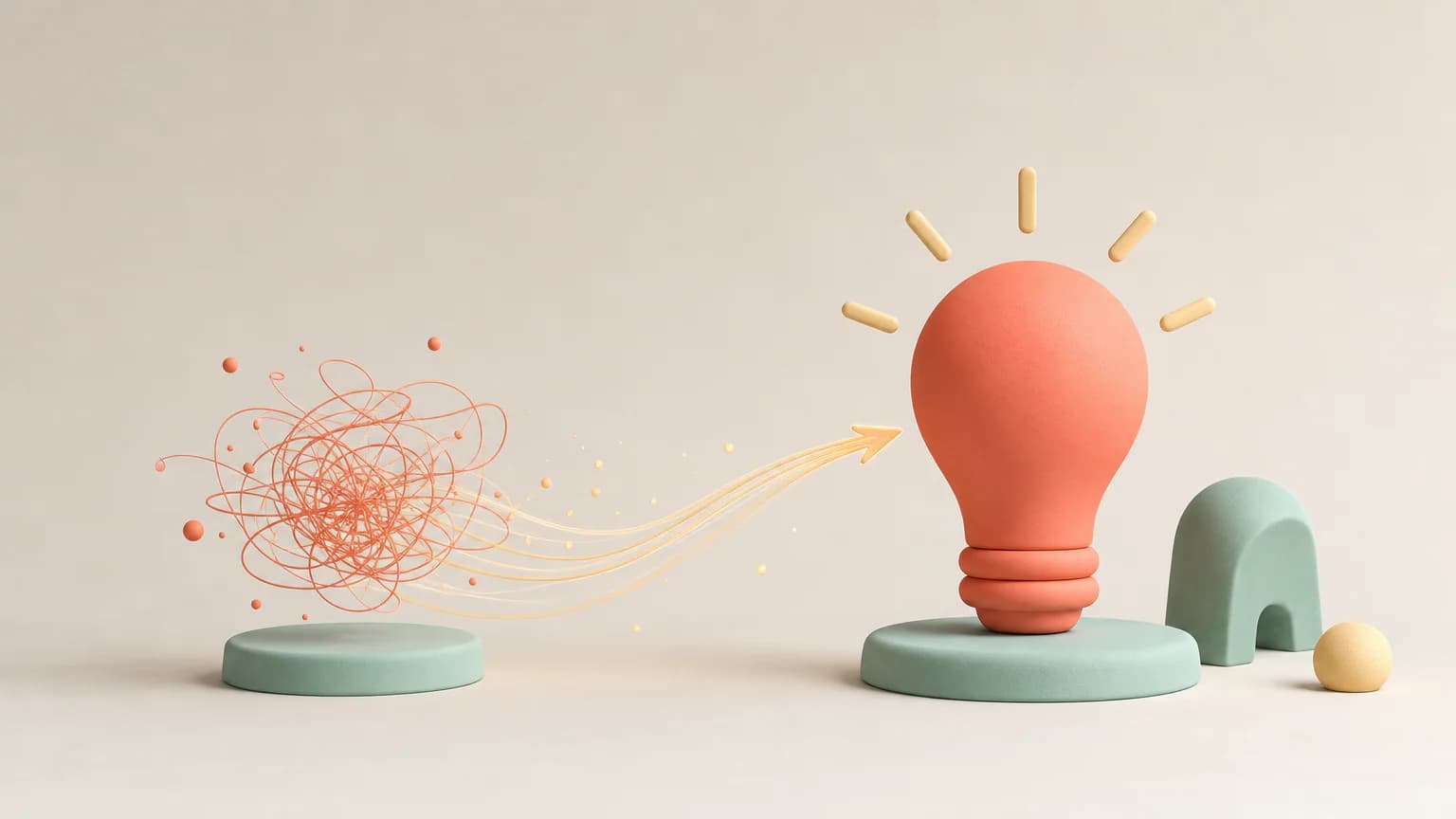 3D
 Technology
 Abstract
 Workplace
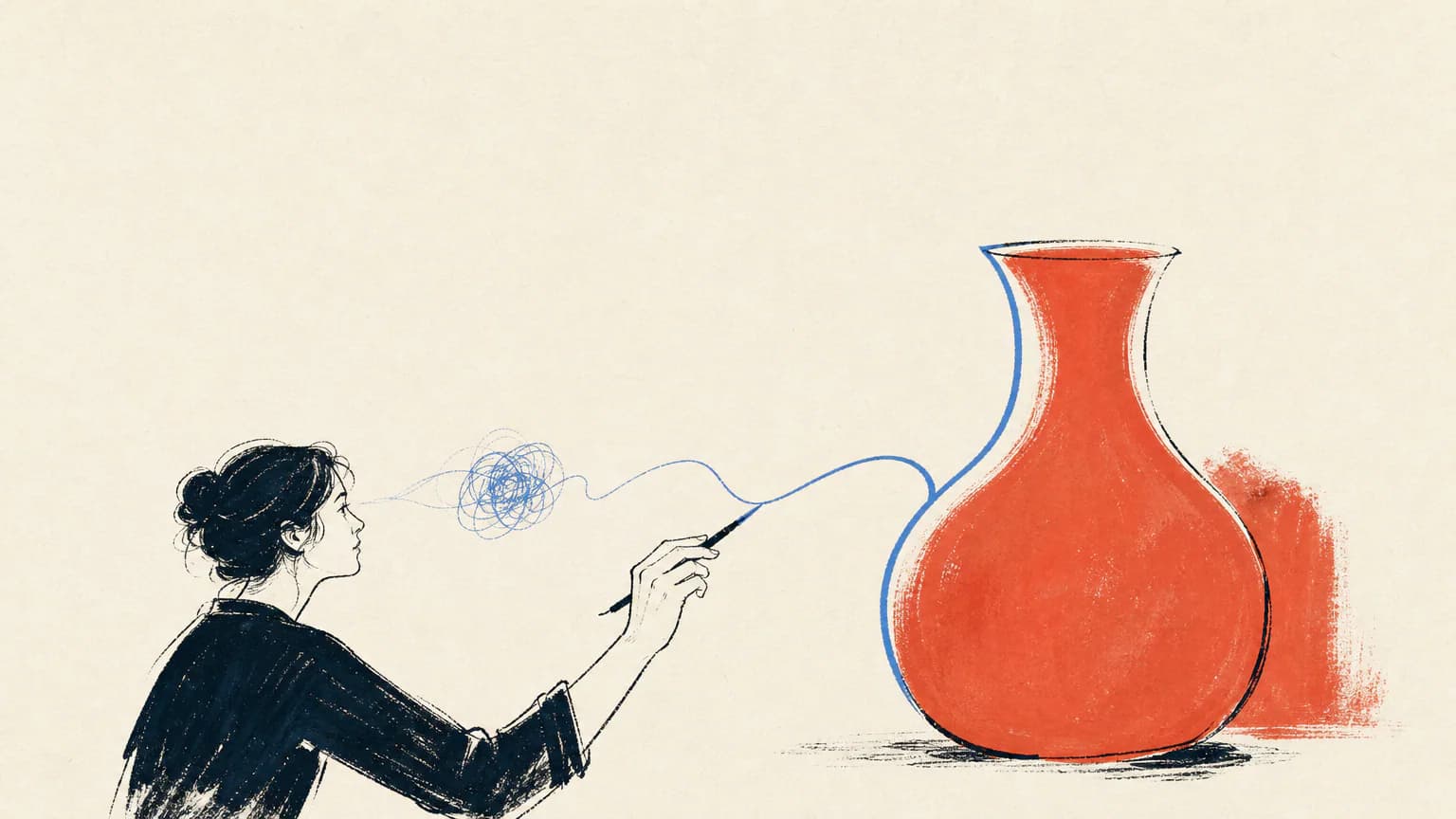 Illustration
 Editorial
 Editorial
 Explainer
 Conceptual
 Conceptual
 Workplace
 3D
 Collage
 Workplace
 Editorial
 Photography
 Photography
 3D
 3D
 Infographic
 3D
 Illustration
 3D
 Illustration
 Collage
 Explainer
 Photography
 Illustration
 Collage
 Editorial
 Illustration
 3D
 Illustration
 3D
 Explainer
 3D
 Illustration
 Workplace
 Conceptual
 Abstract
 Photography
 Illustration
 Workplace
 Editorial
 Illustration
 3D
 Infographic
 Editorial
 Illustration
 3D
 Inflatable sculpture
 Pixel art
 Vintage cartoon ink
 Scratchboard engraving
 Miniature diorama
 Pop-up paper engineering
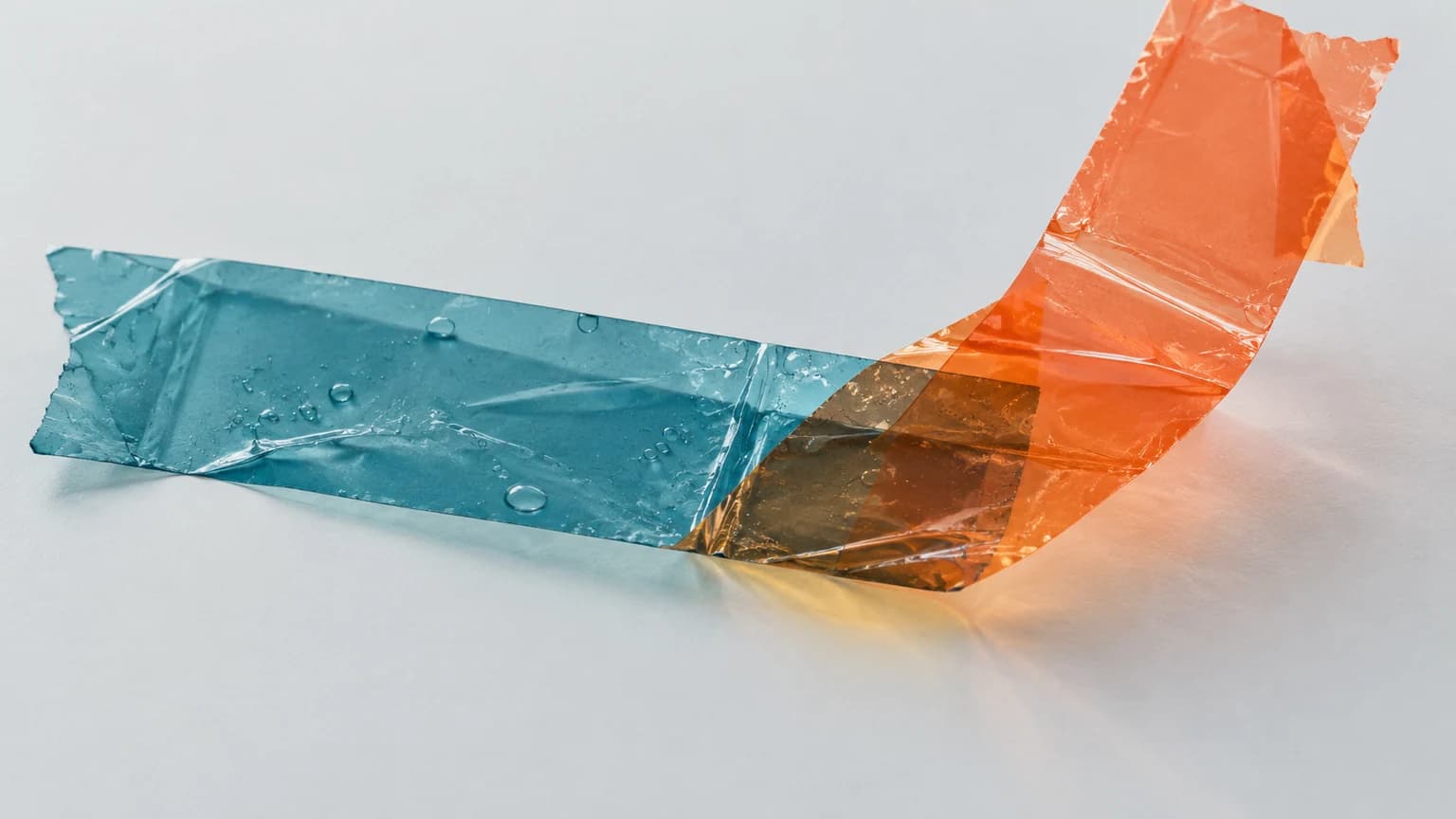 Translucent tape collage
 Wordless halftone comic
 Sculpted sand landscape
 Botanical engraving