Built for
All templates
Paper Notes · Collage
Paper Collage Illustrations for Reflective Writing
See warm paper collage illustrations for essays, education, and personal growth. Paper Notes combines torn edges, pencil traces, and quiet layered scenes.
No individual image prompts needed. Planning and generation use credits. View plans
Core palette
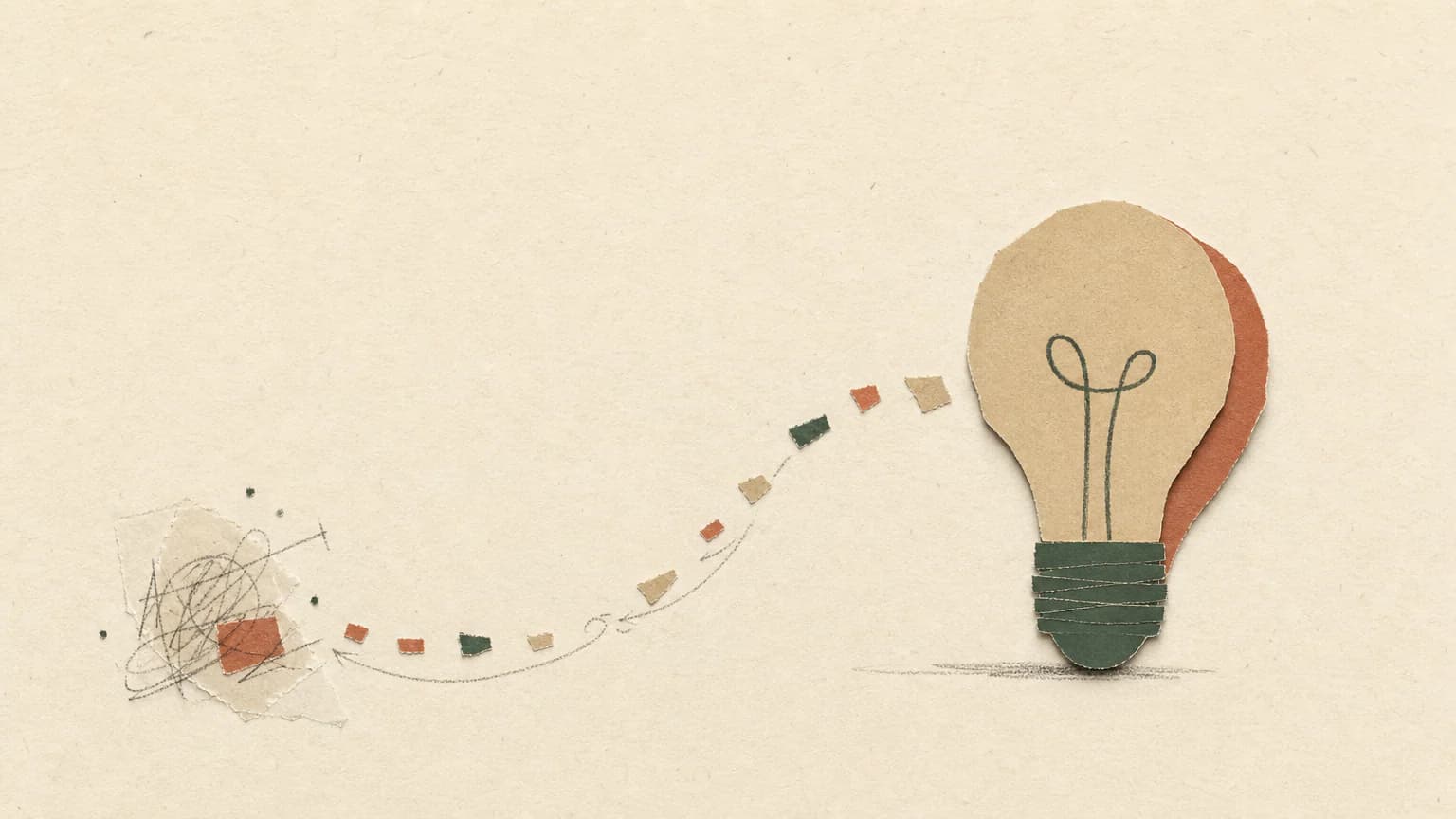 Collage
Visual traits
- Paper texture
- Handmade edges
- Soft shadows
- Warm neutrals
Output defaults
- 16:9 article canvas
- One concept per image
- Editable visual briefs
Choosing your article images
Is Paper Notes right for your article?
Paper Notes makes an article feel assembled from observations rather than polished into a corporate graphic. Torn edges, overlapping sheets, soft shadows, and warm neutrals suit memory, learning, and unfinished thinking. The material is part of the tone: it can suggest revision or discovery without turning the page into a scrapbook full of decorative objects.
An essay about changing your mind
Layered fragments can suggest how new experiences alter an earlier picture. The visual can remain open-ended when the writing does not offer a neat resolution.
A learning newsletter
Paper pieces arranged around one relationship can give a lesson a tactile setting. Keep long explanations in the article instead of asking tiny handwritten labels to carry them.
What defines the look
Let fragments carry memory and meaning.
Paper Notes translates an article into a collection of material clues. A cut shape can stand for an unfinished idea, a fold can mark a change of mind, and the gap between layers can express distance or hesitation. Imperfection is used as syntax, not decoration.
Read the illustration style guideHow scenes are arranged
Focal metaphor
Build one dominant physical metaphor around the article's central relationship.
What stays consistent
- visible material logic
- human imperfection
- one emotional metaphor
- warm restrained shadows
Looks this style avoids
- glossy 3D render
- perfect vector geometry
- scrapbook clutter
- photorealistic people
How color is used
Palette 1: primary structure and focal subject Palette 2: supporting contrast and secondary forms Palette 3: accent for emphasis and directional cues
Example set
A reflective argument assembled in layers.
Material, edge quality, and warm restraint remain consistent while each arrangement reflects a different emotional stage.
AI-generated examples of this style, not photographs of real people, events, or physical artworks.
CollageCollect the fragments
Introduce the article through separated pieces that suggest what has not yet been understood.
 Collage
Rearrange the meaning
Overlap, rotate, or fold elements to show a change in interpretation rather than a literal event.
 Collage
Leave a resolved trace
End with fewer, calmer pieces so the final image feels earned rather than merely neat.
How it reads an article
It reads for emotional sequence, not literal scenes.
The Skill looks for moments of recollection, reframing, accumulation, and release. It then assigns each moment a small arrangement of paper, marks, and shadows that feels personal while remaining clear enough for editorial use.
Best fit
Use it for personal growth, culture, education, reflective newsletters, and essays where tone matters as much as explanation.
Choose another style when
Avoid it for hard technical systems, urgent breaking-news arguments, photorealistic evidence, or data that needs precise comparison.
Before you choose
Questions about Paper Notes
Why does Paper Notes suit reflective writing?
Its handmade materials can hold ambiguity without becoming vague. Layering, gaps, folds, and imperfect marks give emotional ideas a physical structure while keeping the set quiet and coherent.
How is Paper Notes different from a paper-cut illustration style?
Paper Notes emphasizes torn fragments, pencil marks, and a reflective collage feel. A paper-cut or paper-relief style emphasizes cleaner cut shapes, folds, and constructed depth. Choose according to whether the article should feel collected or built.
How do I use Paper Notes for my article?
Paste your finished draft, select Paper Notes, and choose a starting image count. Zyncli proposes image ideas and placements for you to review before generating. You can edit the briefs without writing each image prompt from scratch.
Does using this style cost credits?
Planning and image generation use credits, and regenerating an image uses more. You see the quoted cost before each step. Official styles do not require you to build a private brand style. See pricing for current plans and credit allowances.
From draft to image set
Bring the article.
The style is ready.
You do not need to learn the drawing technique or write every prompt. Choose this style, review the proposed scenes, and generate the images that fit your writing.
Open-source SkillInstall Paper Notes from GitHub- 01
Add your finished draft
Paste the article, choose this style, and set a starting image count.
- 02
Review the proposed images
Zyncli suggests scenes and placements. Edit the visual briefs before generating.
- 03
Generate and inspect the set
Check each result for meaning, consistency, and unwanted details. Regenerate individual images when needed.
- 04
Download and publish
Place the image files beside the relevant passages. Keep accurate charts, real photos, and product screenshots where your article needs them.
Compare the alternatives
When to choose a different style
Choose Paper Architecture for folded structures, scored routes, and architectural shadows rather than reflective fragments.
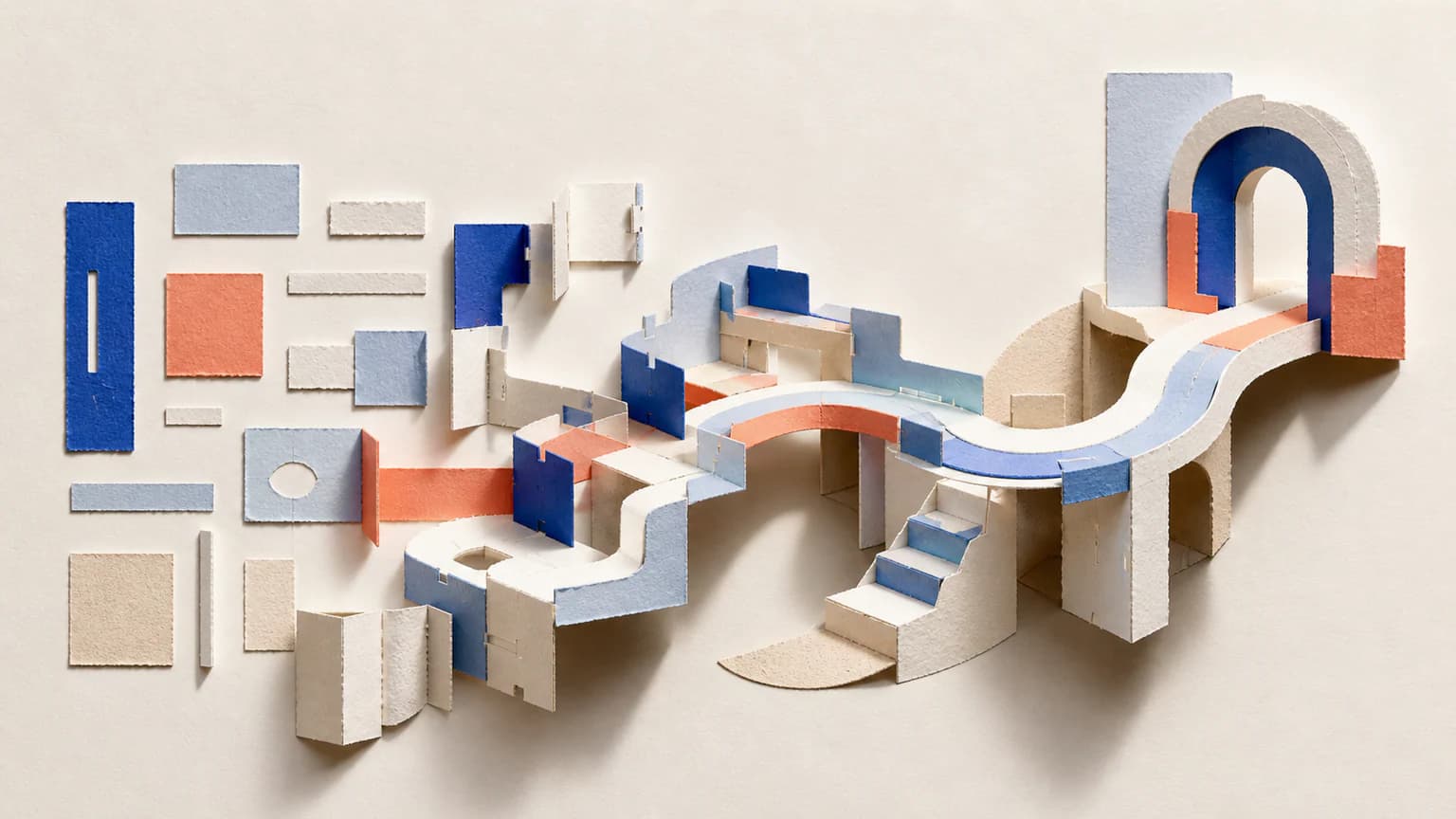 Collage
Choose Tape Collisions when translucent overlaps and visible joins should express compromise or imperfect coordination.
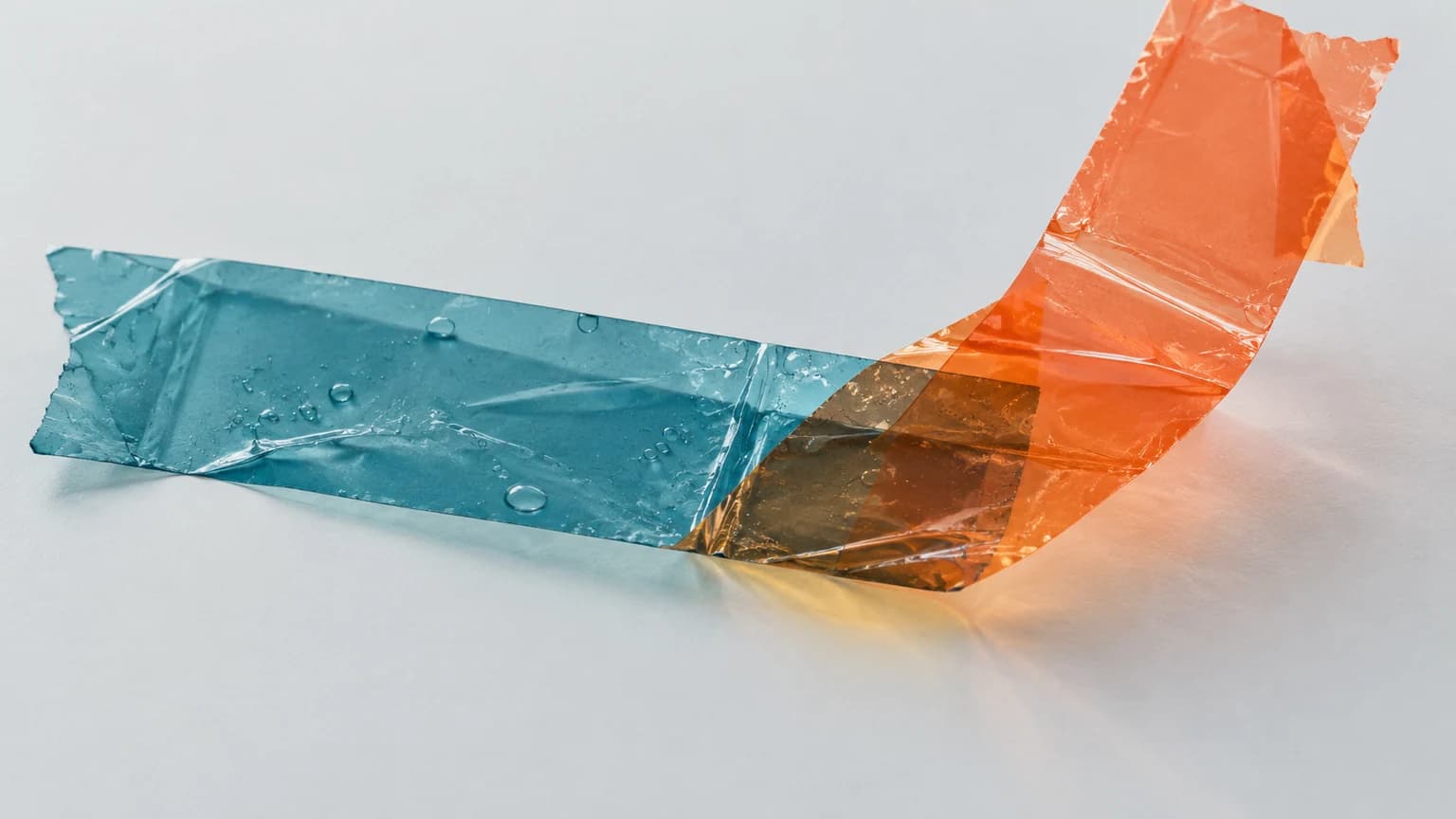 Translucent tape collage
Ready to use Paper Notes?