Built for
All templates
Illustration · Human care
Quiet Support
A compassionate illustration Skill for care, mental health, relationships, grief, and belonging. One quiet human gesture carries the meaning while open space protects the subject from sentimentality.
Core palette
 Illustration
Visual traits
- Intimate gesture
- Soft geometry
- Large whitespace
- Emotional restraint
Output defaults
- 16:9 article canvas
- One concept per image
- Editable visual briefs
Creative direction
Choose the smallest gesture that proves support.
Quiet Support looks for what one person actually does: sit beside, steady, listen, carry, or make room. Simplified geometry removes distracting detail but preserves adult body language and emotional dignity.
Read the illustration style guideComposition grammar
Focal metaphor
Build one dominant physical metaphor around the article's central relationship.
Every image must
- one emotionally exact gesture
- one or two adults
- credible bodily support
- gentle color contrast
Never drift into
- forced positivity
- therapy app advertisement
- childish proportions
- generic hug icon
Palette behavior
Palette 1: primary structure and focal subject Palette 2: supporting contrast and secondary forms Palette 3: accent for emphasis and directional cues Palette 4: restrained supporting accent
Example set
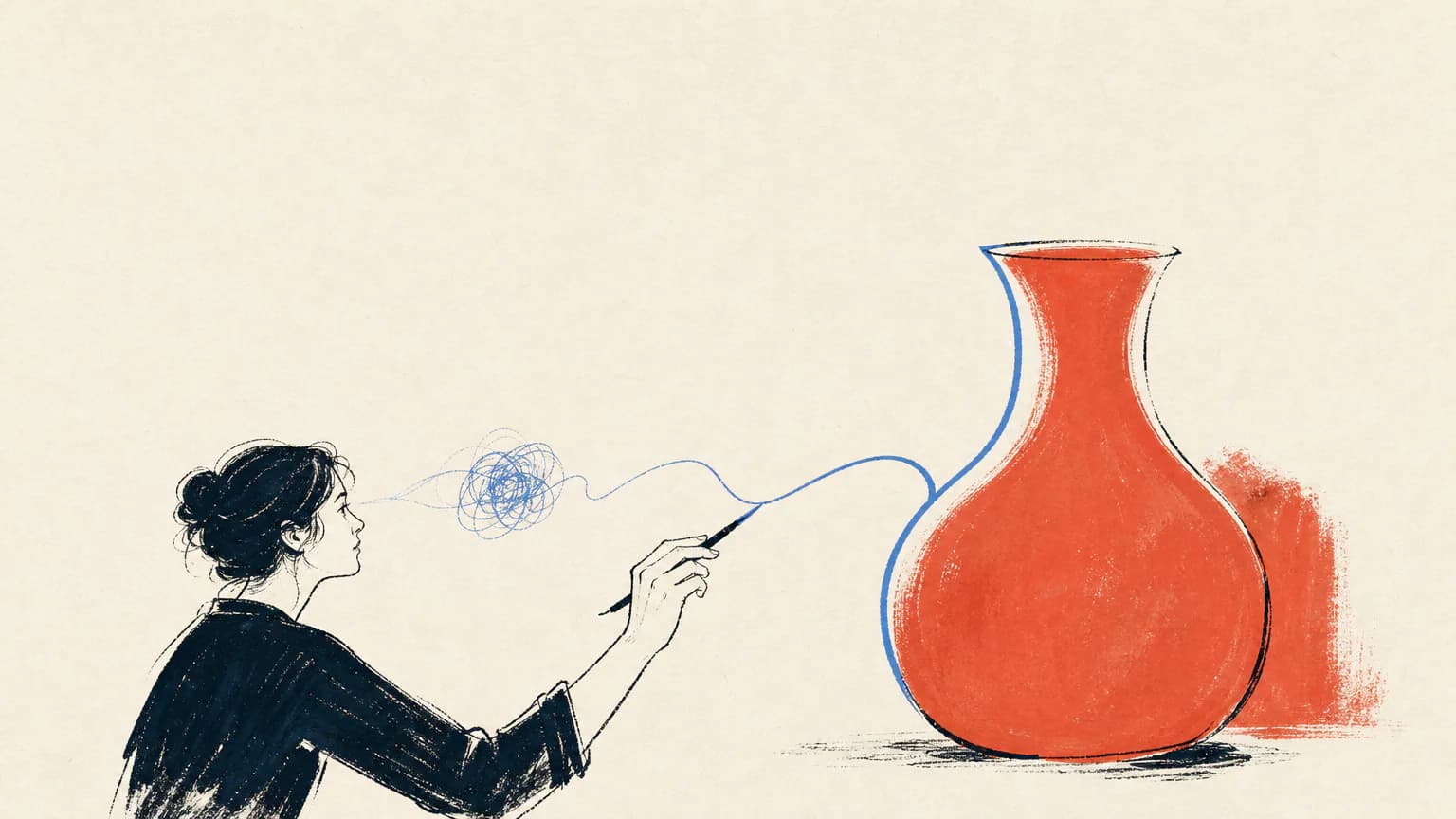
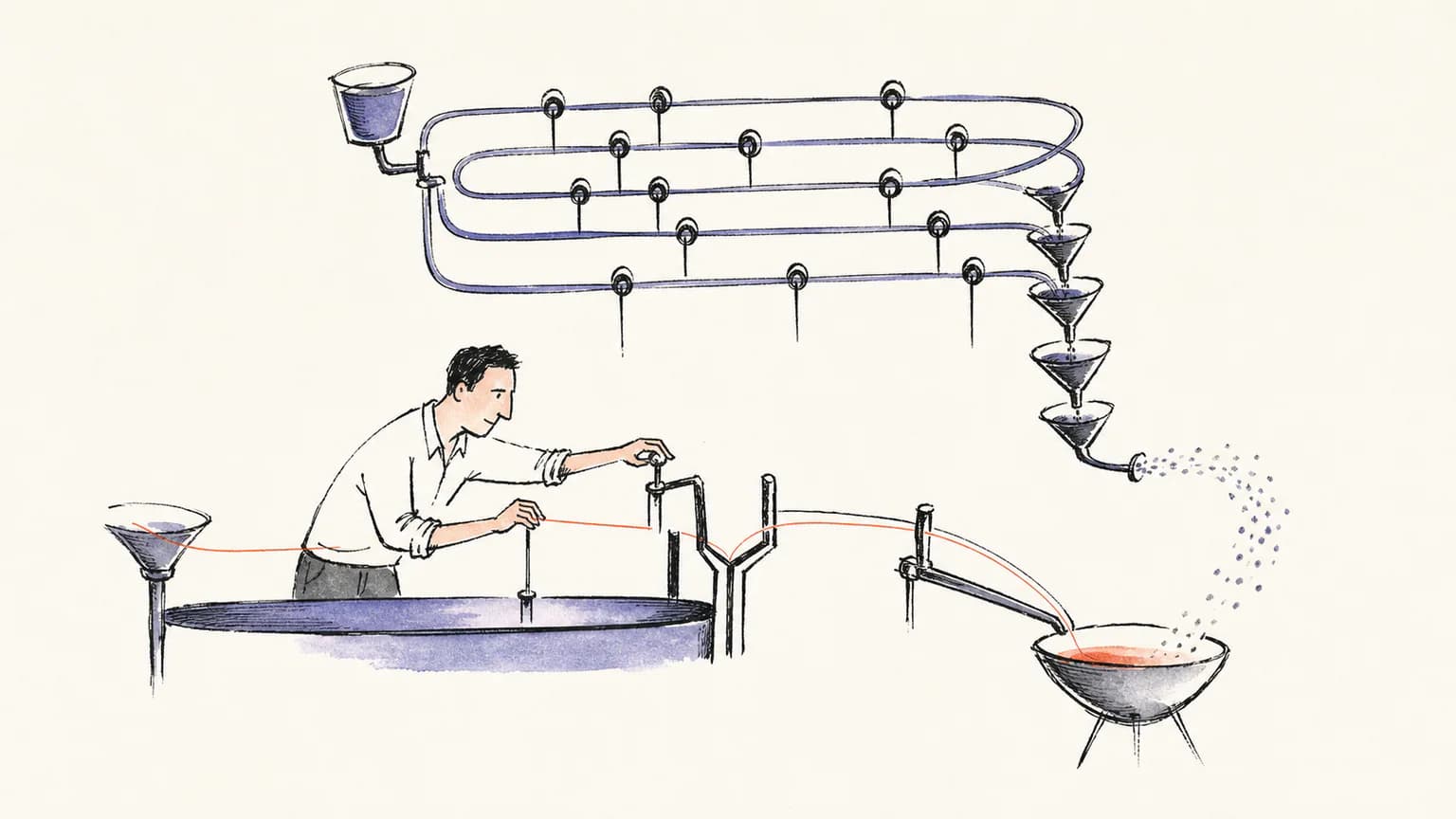
Care shown through presence, pressure, and space.
Figure grammar and calm color remain stable while the supporting gesture changes with each emotional job.
IllustrationMake room for the feeling
Establish the person's condition without surrounding it with explanatory symbols.
 Illustration
Show the steadying action
Let posture, distance, and touch reveal how support changes the immediate burden.
 Illustration
Preserve agency in the outcome
End with greater stability or connection rather than a simplistic cure or celebration.
How it reads an article
It turns care into an observable relationship.
Belonging can become a space deliberately opened inside a group; grief can become weight shared without being erased. The style avoids hearts, slogans, and forced optimism.
Best fit
Use it for mental health, caregiving, relationships, community support, workplace wellbeing, loss, and personal recovery.
Use another Skill when
Avoid it for medical instruction, crisis reporting, product marketing, comedy, or stories needing realistic evidence and identifiable environments.
How can a soft illustration handle difficult subjects responsibly?
Softness comes from space, shape, and restraint—not from minimizing the experience. By grounding every frame in a credible adult gesture, the Skill keeps care specific and avoids decorative wellness language.
Under the surface
More than a prompt.
Each Zyncli template carries a complete set of reusable creative decisions.
- 01
Article planning
Rules for choosing the passages that benefit most from an illustration.
- 02
Visual DNA
Composition, palette, subjects, line, texture, typography, and negative rules.
- 03
Prompt compiler
A structured translation from each visual brief into a model-ready instruction.
- 04
Quality checks
A template-specific rubric applied before the illustration reaches your gallery.
Continue exploring
Other visual languages.
Ready to use Quiet Support?