Built for
All templates
Midnight Ink · Conceptual
Dark Ink Illustrations for Investigative Articles
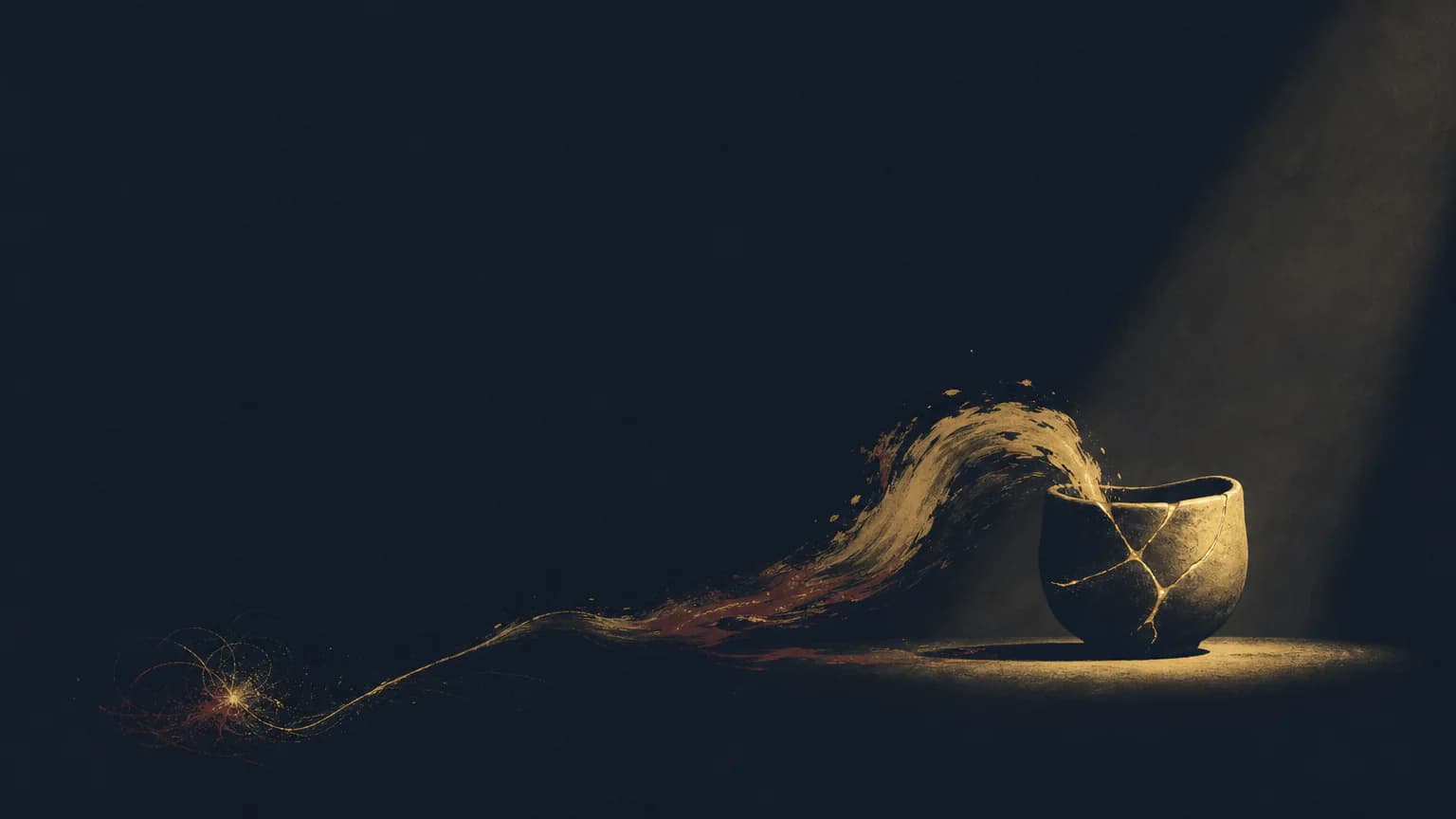
Explore dark ink illustrations for uncertainty, investigations, and AI essays. Midnight Ink uses deep tonal fields and narrow paths of light.
No individual image prompts needed. Planning and generation use credits. View plans
Core palette
 Atmospheric
Visual traits
- Dark tonal range
- Dramatic light
- Minimal detail
- Symbolic scenes
Output defaults
- 16:9 article canvas
- One concept per image
- Editable visual briefs
Choosing your article images
Is Midnight Ink right for your article?
Midnight Ink gives hidden relationships room to emerge. Large dark areas and a selective light source create an atmosphere of uncertainty without requiring a literal crime scene. It works for an article asking what remains unseen, where a boundary lies, or why a decision feels consequential. The images are conceptual illustrations, not evidence of reported events.
An investigation into an opaque system
A partially revealed structure can suggest limited visibility and unanswered questions. Keep documentary evidence, quotations, and records separate from the conceptual image.
An essay about uncertain technology
A small point of light against an unresolved space can give the reader a sense of scale. Use a different setting for each major question in the article.
What defines the look
Use darkness to define what the reader cannot yet know.
Midnight Ink treats negative space as evidence. Instead of filling the image with explanation, it places one small subject, threshold, or illuminated trace inside a large tonal field so attention moves toward the unresolved part of the argument.
Read the illustration style guideHow scenes are arranged
Focal metaphor
Build one dominant physical metaphor around the article's central relationship.
What stays consistent
- one symbolic subject
- dramatic light logic
- deep tonal separation
- narrative tension
Looks this style avoids
- horror poster
- cyberpunk neon city
- movie title treatment
- busy sci-fi interface
How color is used
Palette 1: primary structure and focal subject Palette 2: supporting contrast and secondary forms Palette 3: accent for emphasis and directional cues
Example set
A narrative revealed one beam at a time.
Light direction and human scale carry the sequence while the dark field preserves suspense and continuity.
AI-generated examples of this style, not photographs of real people, events, or physical artworks.
AtmosphericEstablish the unknown
Place the subject at the edge of visibility so the opening image frames the unanswered question.
 Atmospheric
Reveal the hidden dependency
Use one controlled light path to expose the relationship driving the article's tension.
 Atmospheric
Show the cost of crossing
End at a threshold or changed scale that makes the consequence feel concrete.
How it reads an article
It reads for uncertainty, exposure, and consequence.
A hidden dependency may become a dim structure at the edge of a beam. A risky decision may become a figure approaching a narrow opening. The metaphor stays spare so the atmosphere supports the reasoning rather than overwhelming it.
Best fit
Use it for investigations, AI risk, speculative essays, security, and narrative analysis with real tension or incomplete information.
Choose another style when
Avoid it for cheerful product onboarding, detailed process teaching, broad team-culture stories, or content that must feel transparent and reassuring.
Before you choose
Questions about Midnight Ink
When does a dark illustration help rather than dramatize?
It helps when uncertainty is part of the argument. Midnight Ink uses darkness as structured negative space and limits each frame to one trace, subject, or threshold, avoiding horror imagery and cinematic spectacle for its own sake.
When is a dark illustration a poor fit for an article?
Choose another style if your article needs cheerful onboarding, detailed interface instructions, or many small elements visible at a glance. Midnight Ink depends on selective visibility; it should not hide information the reader must inspect precisely.
How do I use Midnight Ink for my article?
Paste your finished draft, select Midnight Ink, and choose a starting image count. Zyncli proposes image ideas and placements for you to review before generating. You can edit the briefs without writing each image prompt from scratch.
Does using this style cost credits?
Planning and image generation use credits, and regenerating an image uses more. You see the quoted cost before each step. Official styles do not require you to build a private brand style. See pricing for current plans and credit allowances.
Technology Illustration: Examples for AI and Software Articles
From draft to image set
Bring the article.
The style is ready.
You do not need to learn the drawing technique or write every prompt. Choose this style, review the proposed scenes, and generate the images that fit your writing.
Open-source SkillInstall Midnight Ink from GitHub- 01
Add your finished draft
Paste the article, choose this style, and set a starting image count.
- 02
Review the proposed images
Zyncli suggests scenes and placements. Edit the visual briefs before generating.
- 03
Generate and inspect the set
Check each result for meaning, consistency, and unwanted details. Regenerate individual images when needed.
- 04
Download and publish
Place the image files beside the relevant passages. Keep accurate charts, real photos, and product screenshots where your article needs them.
Compare the alternatives
When to choose a different style
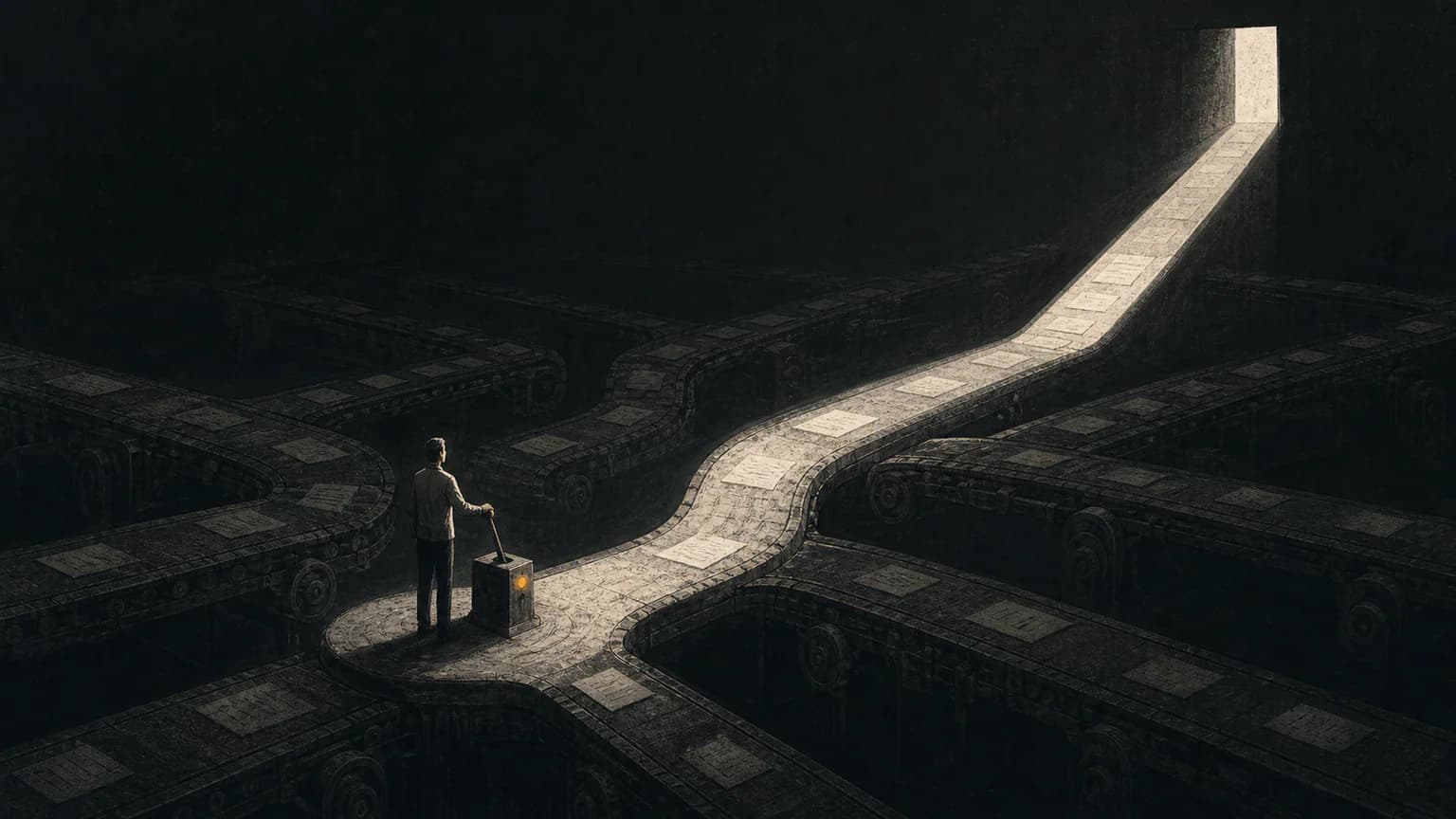
Choose Noir Frames for a more cinematic charcoal scene with a small human figure and stronger environmental staging.
 Conceptual
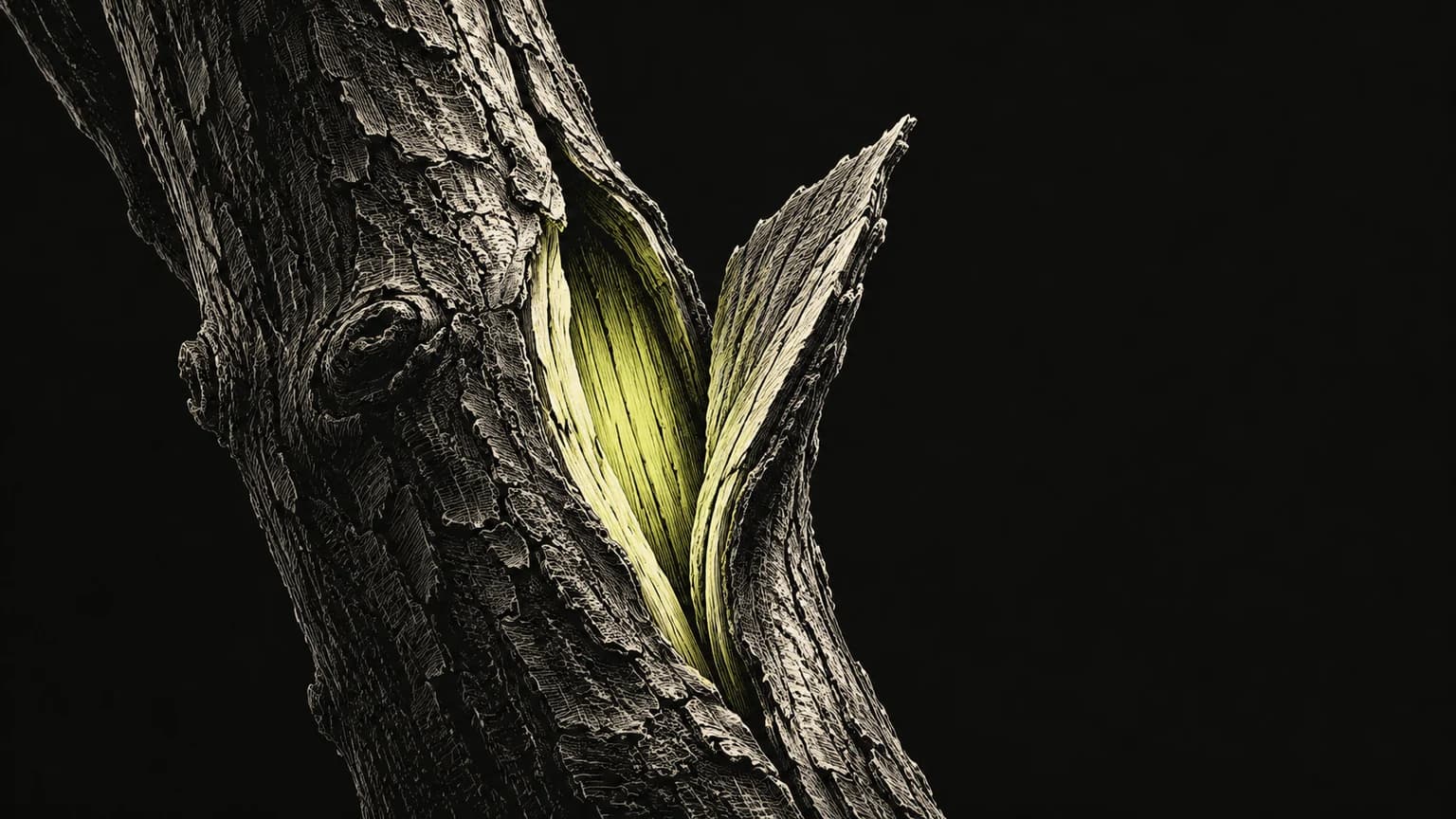
Choose Scratchboard Sparks for crisp incised marks and a more sharply defined reveal on black.
 Scratchboard engraving
Ready to use Midnight Ink?