Built for
All templates
Editorial Portrait · Photography
Conceptual Editorial Portraits for Personal Essays
Explore AI-generated editorial portraits for personal essays and people-centered ideas. Directional light and meaningful settings frame an anonymous subject.
No individual image prompts needed. Planning and generation use credits. View plans
Core palette
 Photography
Visual traits
- Environmental portrait
- Subtle gesture
- Cinematic light
- Human context
Output defaults
- 16:9 article canvas
- One concept per image
- Editable visual briefs
Choosing your article images
Is Editorial Portrait right for your article?
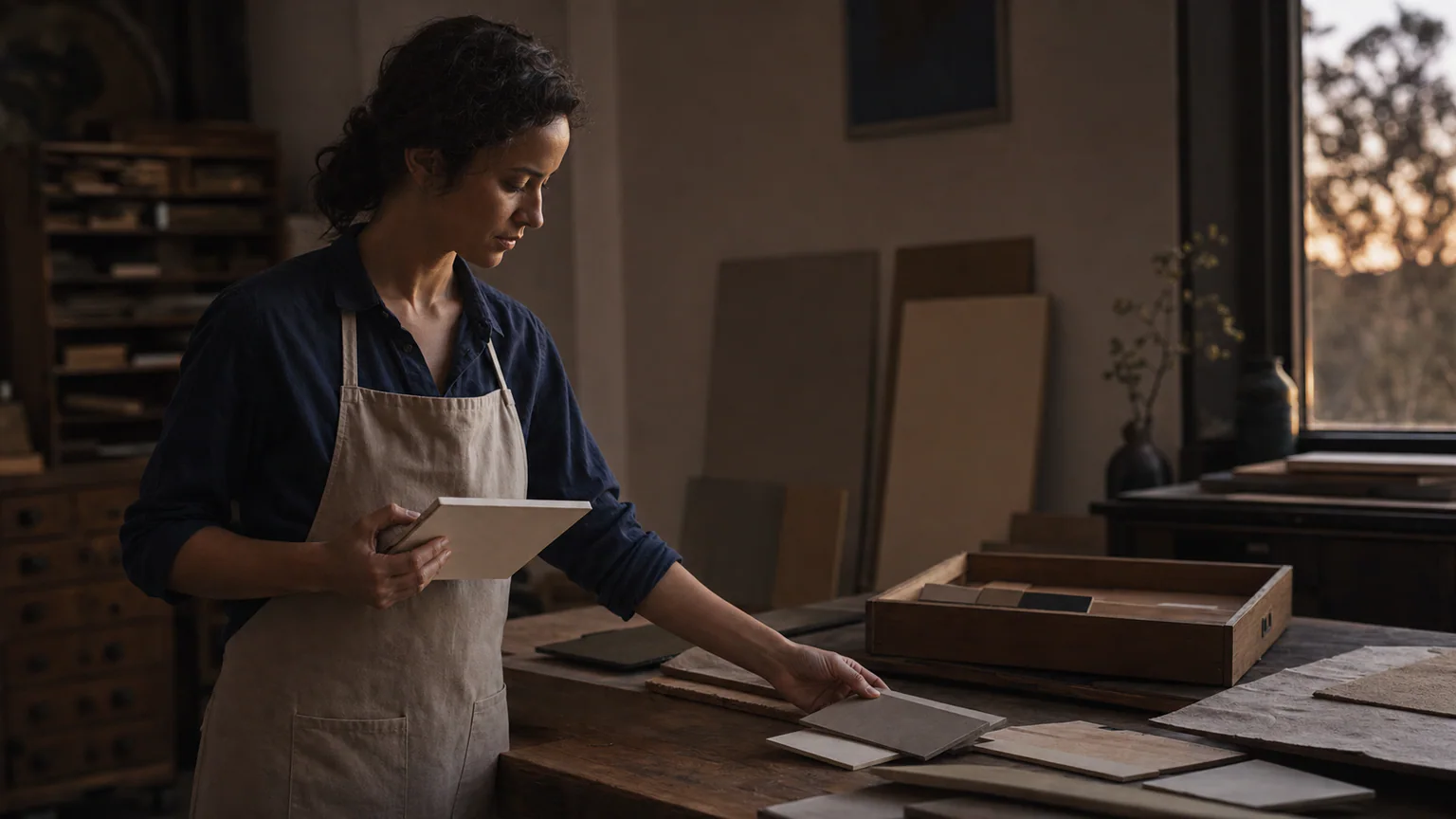
Editorial Portrait uses a person and their surroundings to establish a mood or question. A restrained gesture and controlled light can make an abstract identity story feel inhabited. These are synthetic conceptual subjects, not commissioned portraits of the author or a named founder. A real profile or interview should use approved photography of the actual person when identification matters.
An essay about a change in identity
An anonymous subject in a meaningful setting can convey a transition without pretending to show the writer. The context should support the essay rather than suggest a biography.
A general article about leadership pressure
Space, posture, and light can express responsibility around one person. Use actual portraits separately for a named leader, interviewee, or customer.
What defines the look
Let the environment complete the portrait.
Editorial Portrait treats place, objects, posture, and gaze as parts of a conceptual scene. An anonymous generated person remains the focal subject; the setting suggests a role or pressure without documenting a real individual's experience.
Read the illustration style guideHow scenes are arranged
Focal metaphor
Build one dominant physical metaphor around the article's central relationship.
What stays consistent
- one anonymous adult
- one emotionally precise gesture
- environmental context
- credible face and hands
Looks this style avoids
- celebrity lookalike
- beauty campaign
- fashion advertisement
- influencer pose
How color is used
Palette 1: primary structure and focal subject Palette 2: supporting contrast and secondary forms Palette 3: accent for emphasis and directional cues Palette 4: restrained supporting accent
Example set
A human story built through person, place, and consequence.
Light and environmental specificity unify the set while gesture and framing reveal different parts of the subject's experience.
AI-generated examples of this style, not photographs of real people, events, or physical artworks.
PhotographyLocate the person
Use the environment to establish role and situation without relying on a caption.
 Photography
Reveal the meaningful gesture
Focus on one restrained action that expresses the article's emotional or professional tension.
 Photography
Show the wider consequence
Shift framing or context to connect individual experience to the article's larger claim.
How it reads an article
It reads for identity expressed through context.
The Skill looks for the article's human stakes and chooses an environment that can hold them. Subtle gesture replaces exaggerated emotion; directional light separates the decisive detail from the rest of the scene.
Best fit
Use it for general identity, personal essay, craft, and leadership concepts that can be illustrated through an anonymous person. Use a real approved portrait for a named founder or interview subject.
Choose another style when
Avoid it for generic personas, exact public-figure likeness, anonymous systems, step-by-step tutorials, or articles requiring several equally important people.
Before you choose
Questions about Editorial Portrait
What makes an environmental portrait editorial?
An editorial portrait uses setting and gesture to express a relationship between a person and a place, practice, pressure, or decision. In this template the subject is generated and conceptual, not a factual likeness or documentary portrait.
Can this template create my actual founder headshot?
This official direction is for conceptual editorial imagery, not a verified likeness or headshot service. It does not guarantee identity preservation. For a factual founder profile, use a real approved portrait instead of a generated lookalike.
How do I use Editorial Portrait for my article?
Paste your finished draft, select Editorial Portrait, and choose a starting image count. Zyncli proposes image ideas and placements for you to review before generating. You can edit the briefs without writing each image prompt from scratch.
Does using this style cost credits?
Planning and image generation use credits, and regenerating an image uses more. You see the quoted cost before each step. Official styles do not require you to build a private brand style. See pricing for current plans and credit allowances.
From draft to image set
Bring the article.
The style is ready.
You do not need to learn the drawing technique or write every prompt. Choose this style, review the proposed scenes, and generate the images that fit your writing.
Open-source SkillInstall Editorial Portrait from GitHub- 01
Add your finished draft
Paste the article, choose this style, and set a starting image count.
- 02
Review the proposed images
Zyncli suggests scenes and placements. Edit the visual briefs before generating.
- 03
Generate and inspect the set
Check each result for meaning, consistency, and unwanted details. Regenerate individual images when needed.
- 04
Download and publish
Place the image files beside the relevant passages. Keep accurate charts, real photos, and product screenshots where your article needs them.
Compare the alternatives
When to choose a different style
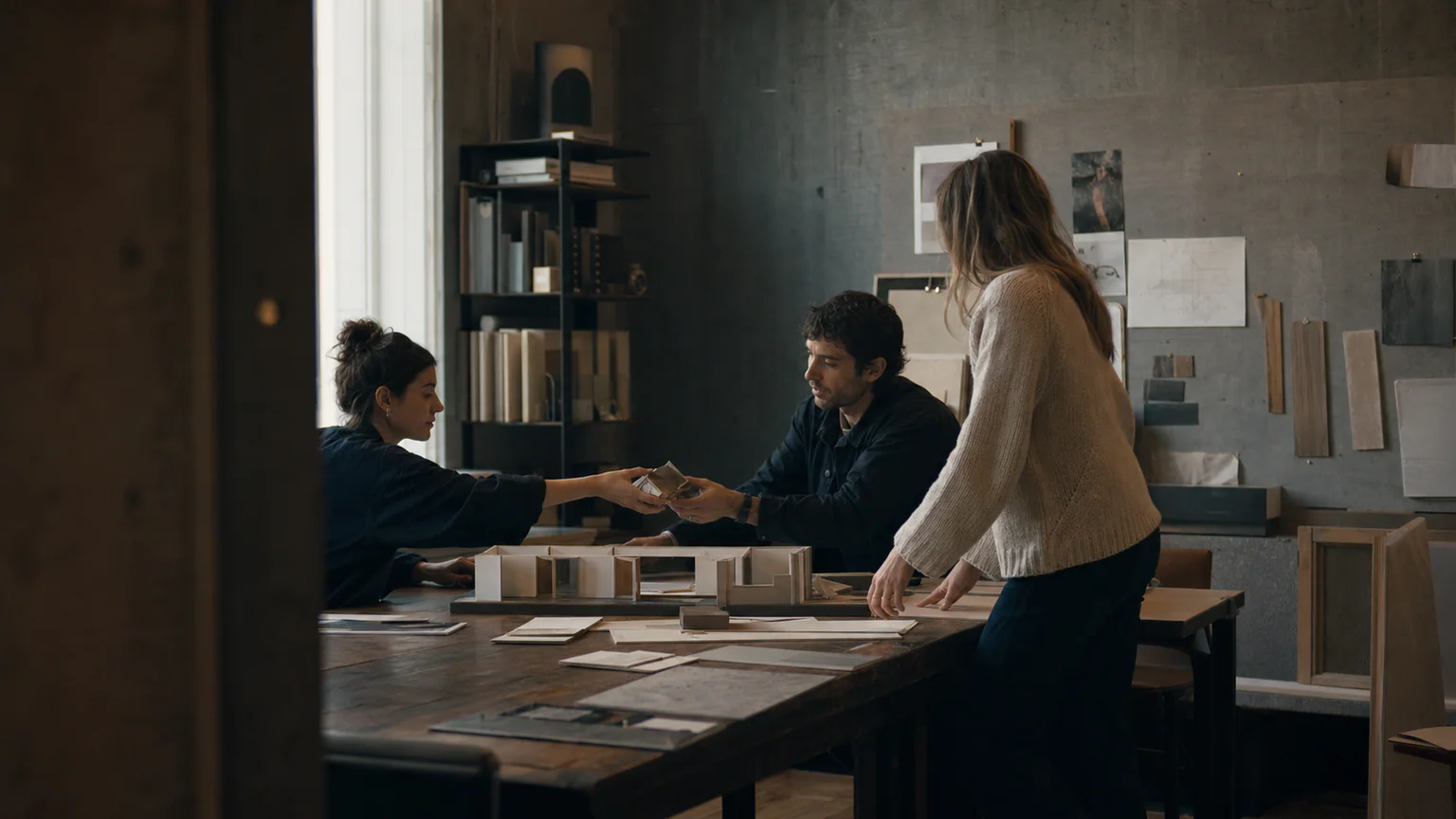
Choose Documentary Work for an action-led general workplace scenario rather than a composed anonymous portrait.
 Photography
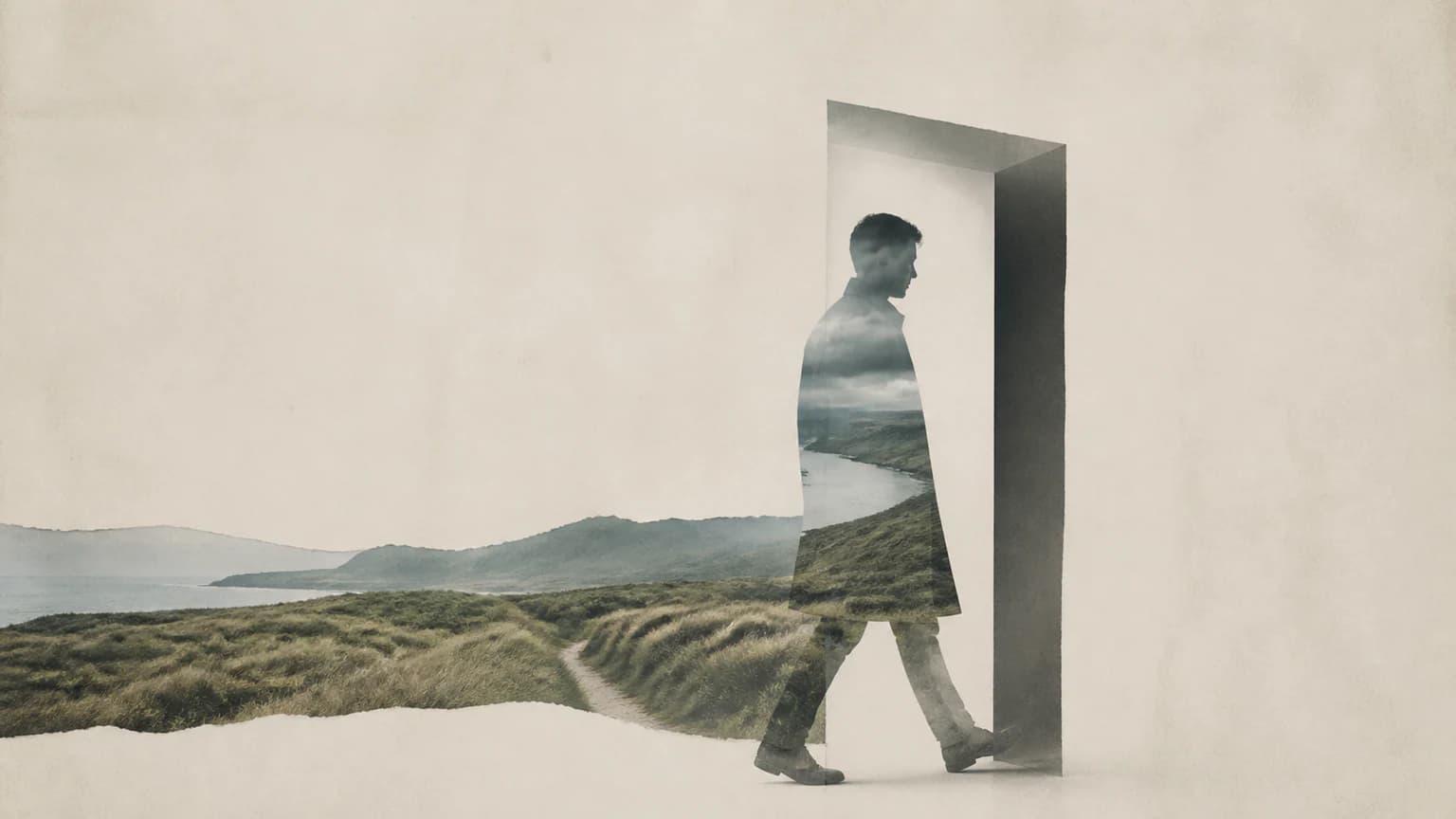
Choose Inner Terrain when a landscape inside a silhouette should express identity or memory more symbolically.
 Photography
Ready to use Editorial Portrait?