Built for
All templates
Illustration · Figurative painting
Oil Allegory
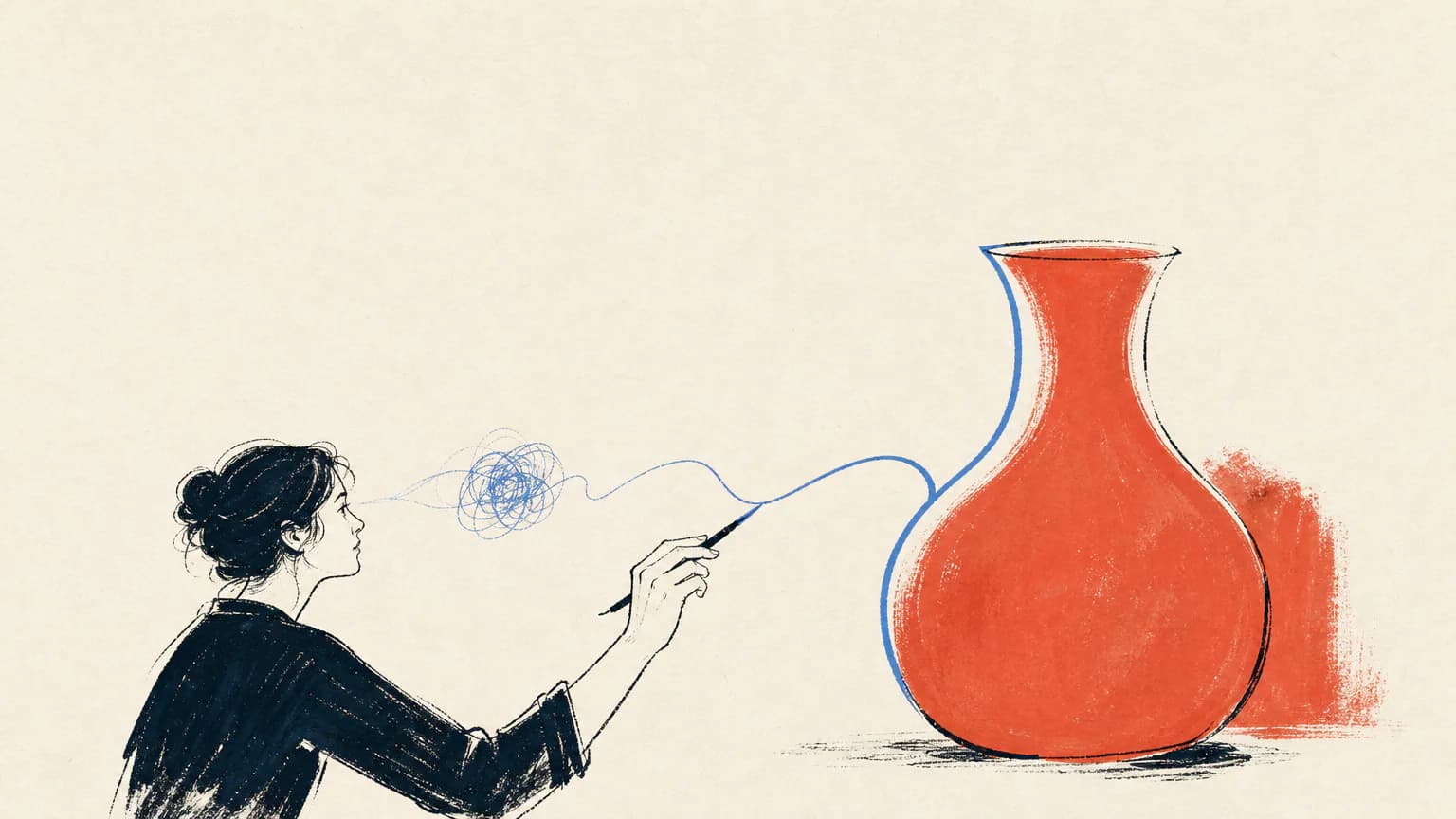
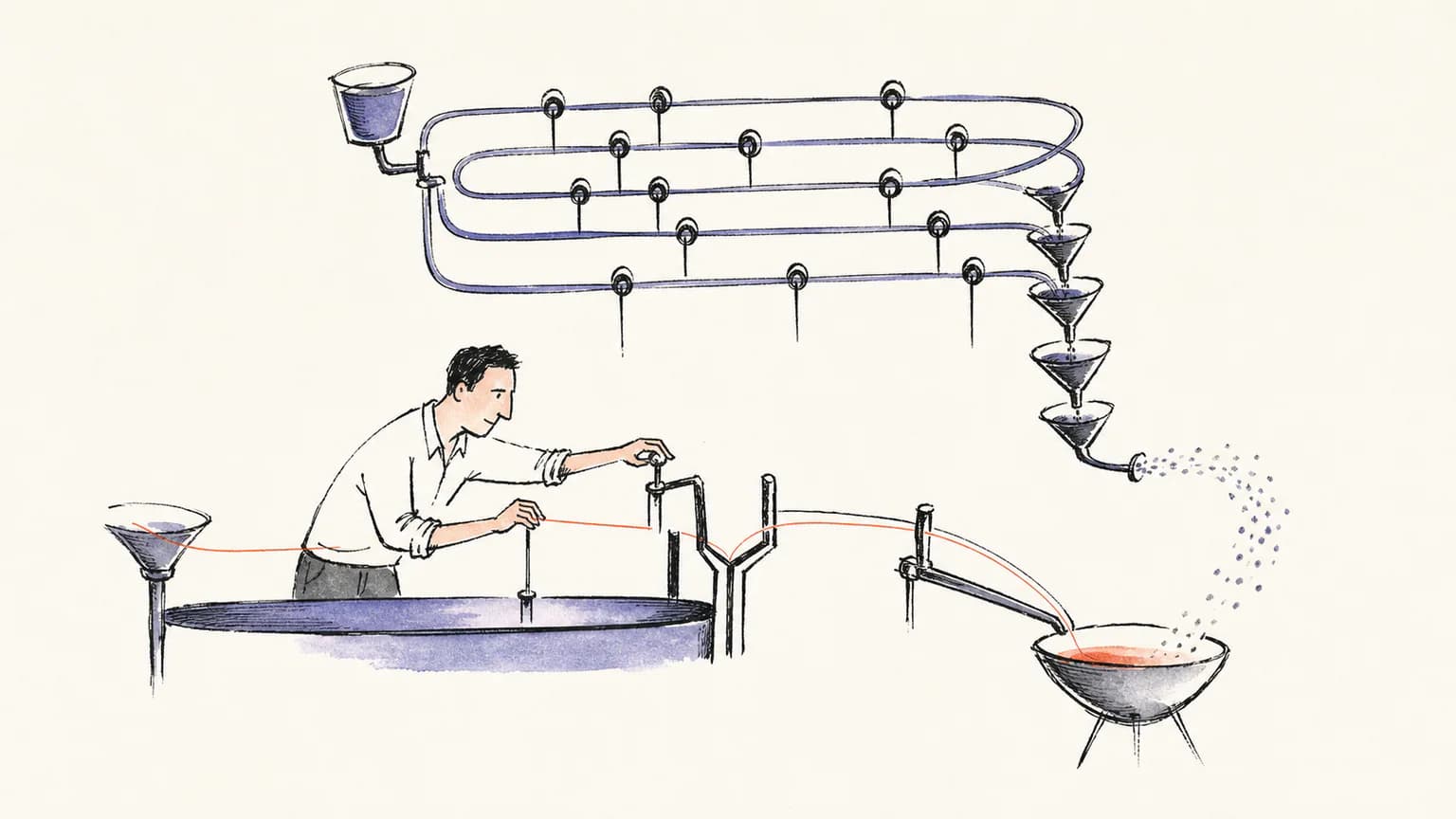
A figurative painting Skill for arguments that need moral weight, ambiguity, and human consequence. One restrained action carries the thesis while light controls what the reader notices first.
Core palette
 Illustration
Visual traits
- Figurative allegory
- Painterly light
- Symbolic action
- Museum-like restraint
Output defaults
- 16:9 article canvas
- One concept per image
- Editable visual briefs
Creative direction
Stage the argument as an act of responsibility.
Oil Allegory finds the decision or burden inside the prose and gives it to a credible adult figure. The person builds, carries, repairs, or crosses a symbolic structure instead of performing emotion for the viewer.
Read the illustration style guideComposition grammar
Focal metaphor
Build one dominant physical metaphor around the article's central relationship.
Every image must
- one human action carries the thesis
- symbolic object remains physical
- directional light clarifies consequence
- adult emotional restraint
Never drift into
- religious icon imitation
- old-master quotation
- fantasy art
- melodramatic pose
Palette behavior
Palette 1: primary structure and focal subject Palette 2: supporting contrast and secondary forms Palette 3: accent for emphasis and directional cues Palette 4: restrained supporting accent
Example set
A painted argument moving from burden to choice.
Brushwork and light unify the set while the figure's task changes at each editorial turning point.
IllustrationName the burden
Introduce the central problem as something the figure must physically hold, build, or protect.
 Illustration
Complicate the choice
Change the structure or light so the action reveals a tradeoff rather than a simple obstacle.
 Illustration
Show the earned consequence
End on the changed structure and posture, avoiding triumph, applause, or a moralizing symbol.
How it reads an article
It makes consequence visible through action.
Trust can become a bridge built from tested pieces; leadership can become a beam shared under uneven weight. Painterly depth lets the metaphor remain open without becoming vague.
Best fit
Use it for long-form essays, ethics, leadership, social questions, history, and reflective writing with consequential choices.
Use another Skill when
Avoid it for lightweight product content, exact workflows, data-heavy comparisons, or topics needing a playful or immediately instructional tone.
When is a painted allegory stronger than a diagram?
Use it when the argument contains judgment, responsibility, or emotional consequence that a schematic would flatten. The figure and light hold ambiguity while one physical action keeps the image intelligible.
Under the surface
More than a prompt.
Each Zyncli template carries a complete set of reusable creative decisions.
- 01
Article planning
Rules for choosing the passages that benefit most from an illustration.
- 02
Visual DNA
Composition, palette, subjects, line, texture, typography, and negative rules.
- 03
Prompt compiler
A structured translation from each visual brief into a model-ready instruction.
- 04
Quality checks
A template-specific rubric applied before the illustration reaches your gallery.
Continue exploring
Other visual languages.
Ready to use Oil Allegory?