Built for
All templates
3D · Ceramic machine
Glazed Mechanism
A ceramic systems Skill that makes workflows feel understandable and handled. Glazed gates, channels, and vessels perform a real transformation while handmade variation keeps the mechanism human.
Core palette
 3D
3DVisual traits
- Glazed ceramic
- Working mechanism
- Physical routing
- Hand-built precision
Output defaults
- 16:9 article canvas
- One concept per image
- Editable visual briefs
Creative direction
Make the workflow operable in clay.
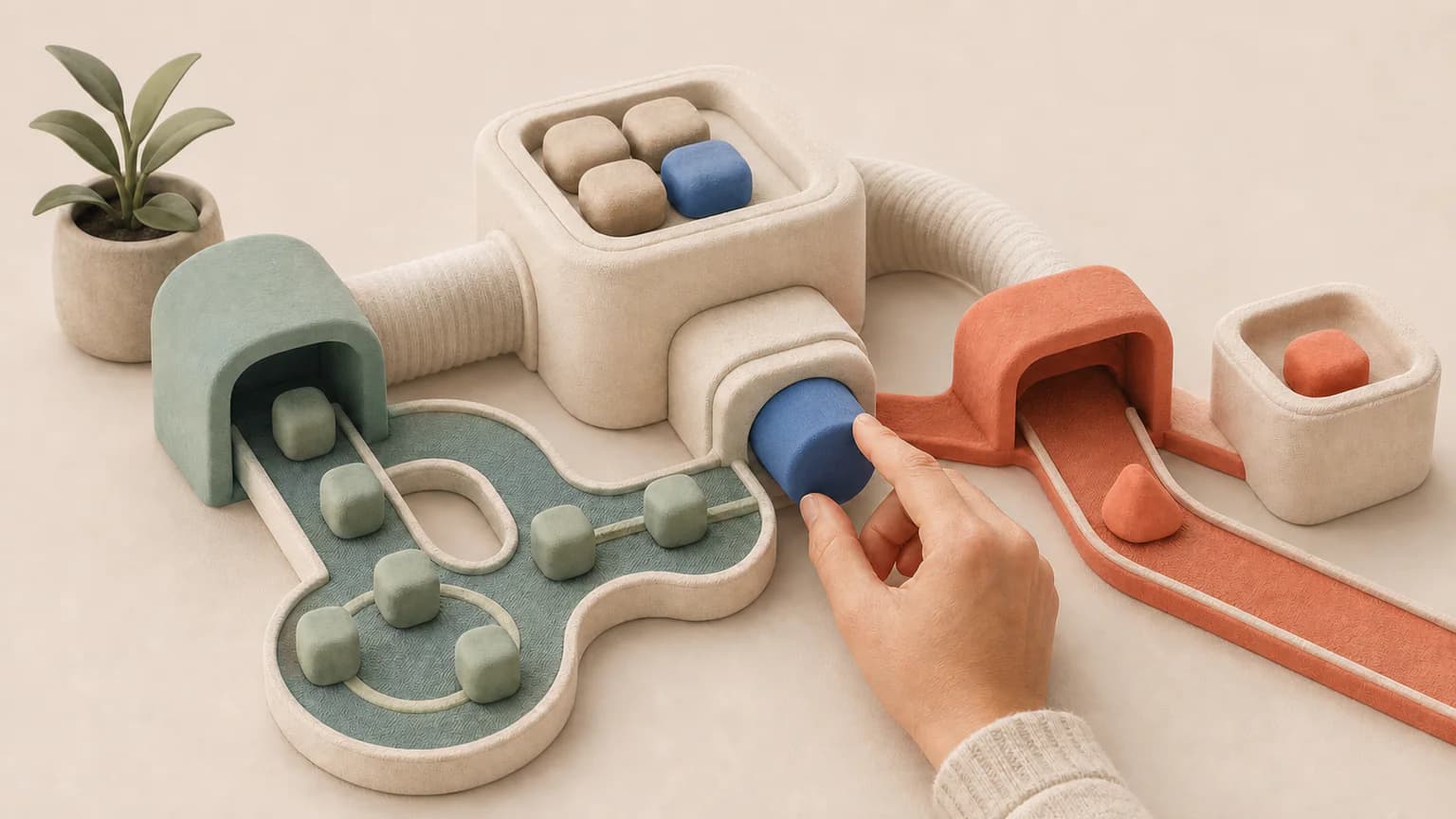
Glazed Mechanism assigns every ceramic component a physical role: receive, filter, redirect, combine, or release. Modules must touch, pour, hinge, or route plausibly rather than float as friendly shapes.
Read the illustration style guideComposition grammar
Focal metaphor
Build one dominant physical metaphor around the article's central relationship.
Every image must
- mechanism can operate physically
- input and output are distinct
- glaze variation remains controlled
- one active transformation
Never drift into
- cute pottery set
- toy machine
- decorative vases
- floating modules
Palette behavior
Palette 1: primary structure and focal subject Palette 2: supporting contrast and secondary forms Palette 3: accent for emphasis and directional cues Palette 4: restrained supporting accent
Example set
A workflow fired into three connected mechanisms.
Clay body, glaze family, and studio light remain stable while the active component and transformation change.
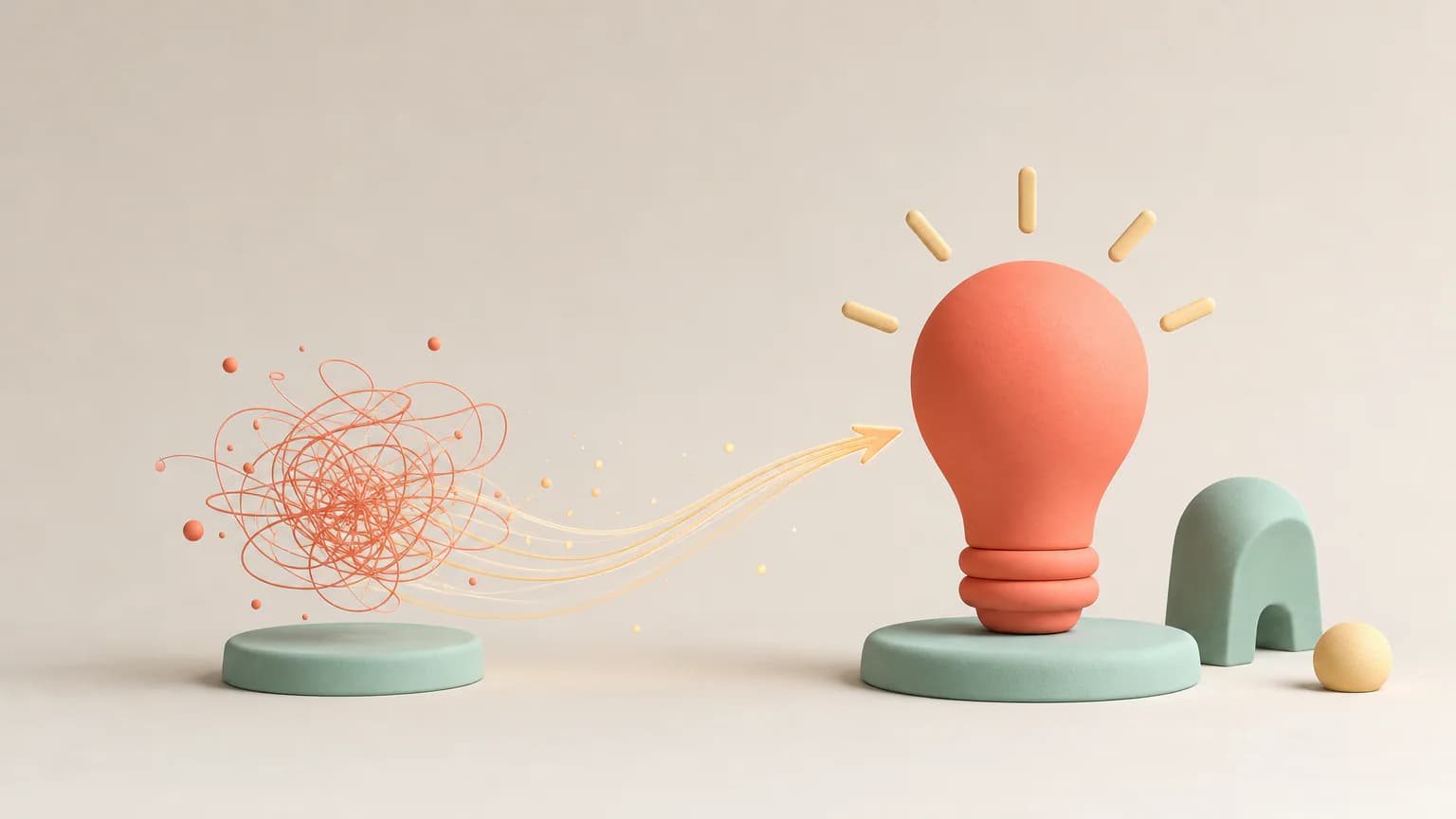
3DReceive the input
Establish where material enters and which ceramic form contains it.
 3D
3DPerform the transformation
Make the gate, channel, or vessel visibly change the input state.
 3D
3DRelease a usable output
End with a distinct result and a traceable route back through the mechanism.
How it reads an article
It turns software logic into a hand-built apparatus.
A content pipeline can become vessels passing material through a sorting gate; orchestration can become several channels controlled by one fired valve.
Best fit
Use it for product education, operations, workflow explainers, approachable technology, and systems that benefit from tactile physicalization.
Use another Skill when
Avoid it for luxury infrastructure, serious investigations, human testimony, or systems requiring exact engineering precision.
Why make a digital workflow from ceramics?
Ceramic components are approachable but still obey physical constraints. Their joints, channels, and vessels give abstract routing a memorable body while handmade variation prevents sterile diagram language.
Under the surface
More than a prompt.
Each Zyncli template carries a complete set of reusable creative decisions.
- 01
Article planning
Rules for choosing the passages that benefit most from an illustration.
- 02
Visual DNA
Composition, palette, subjects, line, texture, typography, and negative rules.
- 03
Prompt compiler
A structured translation from each visual brief into a model-ready instruction.
- 04
Quality checks
A template-specific rubric applied before the illustration reaches your gallery.
Continue exploring
Other visual languages.
Ready to use Glazed Mechanism?