Built for
All templates
Noir Frames · Conceptual
Cinematic Noir Illustrations for Narrative Essays
Explore cinematic noir illustrations for investigations, risk, and narrative essays. Noir Frames combines charcoal grain, dark space, and small human figures.
No individual image prompts needed. Planning and generation use credits. View plans
Core palette
 Conceptual
Visual traits
- Near-black space
- Controlled light
- Small human scale
- Analog grain
Output defaults
- 16:9 article canvas
- One concept per image
- Editable visual briefs
Choosing your article images
Is Noir Frames right for your article?
Noir Frames gives a person or decision a larger surrounding pressure. Near-black space, charcoal texture, and a narrow area of light keep attention on one action. Unlike a general dark ink image, it often reads as a staged environment with human scale. Use it to establish narrative tension, not to imply that an imagined scene records a real event.
A narrative analysis of institutional risk
A small figure confronting a large structure can suggest the imbalance of agency. The scene can hold uncertainty while the article supplies the reporting and evidence.
An essay about a consequential decision
A route or threshold picked out by light can concentrate the moment of choice. Check the crop so the important action remains legible in the article layout.
What defines the look
Frame the consequence before revealing the answer.
Noir Frames uses scale and withheld information to slow the reader down. A small human figure or object anchors the scene; a single light source identifies the route, evidence, or exposure that matters.
Read the illustration style guideHow scenes are arranged
Focal metaphor
Build one dominant physical metaphor around the article's central relationship.
What stays consistent
- one human decision or investigation
- one environmental obstacle
- light that explains the relationship
- web-legible shadow detail
Looks this style avoids
- horror
- detective cliché
- weapons
- cyberpunk neon
How color is used
Palette 1: primary structure and focal subject Palette 2: supporting contrast and secondary forms Palette 3: accent for emphasis and directional cues
Example set
A restrained investigation in three frames.
Light, grain, and small human scale maintain continuity while each frame moves closer to the consequence.
AI-generated examples of this style, not photographs of real people, events, or physical artworks.
ConceptualEnter the uncertain field
Place the reader outside the known boundary with one distant source of orientation.
 Conceptual
Approach the evidence
Narrow the light and reduce the distance so the active relationship becomes legible.
 Conceptual
Cross into consequence
Change the scale or opening to show what the discovery means, not just what it is.
How it reads an article
It reads the article as a sequence of thresholds.
The Skill looks for what is hidden, what is approached, and what changes once a boundary is crossed. Each image advances that sequence with minimal props and no decorative cyberpunk language.
Best fit
Use it for investigations, AI risk, security, ethics, narrative analysis, and writing where uncertainty is part of the evidence.
Choose another style when
Avoid it for approachable onboarding, celebratory content, bright consumer products, or articles whose main job is procedural clarity.
Before you choose
Questions about Noir Frames
How does Noir Frames create tension without sensationalism?
It limits the scene to one boundary, one light path, and one human-scale consequence. The absence of horror cues, neon spectacle, and excessive detail keeps the mood analytical rather than theatrical.
Is Noir Frames a film storyboard or a set of article images?
It is an article illustration style. Images can share atmosphere and visual rules, but it does not provide shot continuity, animation, or a finished storyboard sequence. Use it when separate passages need related cinematic scenes.
How do I use Noir Frames for my article?
Paste your finished draft, select Noir Frames, and choose a starting image count. Zyncli proposes image ideas and placements for you to review before generating. You can edit the briefs without writing each image prompt from scratch.
Does using this style cost credits?
Planning and image generation use credits, and regenerating an image uses more. You see the quoted cost before each step. Official styles do not require you to build a private brand style. See pricing for current plans and credit allowances.
From draft to image set
Bring the article.
The style is ready.
You do not need to learn the drawing technique or write every prompt. Choose this style, review the proposed scenes, and generate the images that fit your writing.
Open-source SkillInstall Noir Frames from GitHub- 01
Add your finished draft
Paste the article, choose this style, and set a starting image count.
- 02
Review the proposed images
Zyncli suggests scenes and placements. Edit the visual briefs before generating.
- 03
Generate and inspect the set
Check each result for meaning, consistency, and unwanted details. Regenerate individual images when needed.
- 04
Download and publish
Place the image files beside the relevant passages. Keep accurate charts, real photos, and product screenshots where your article needs them.
Compare the alternatives
When to choose a different style
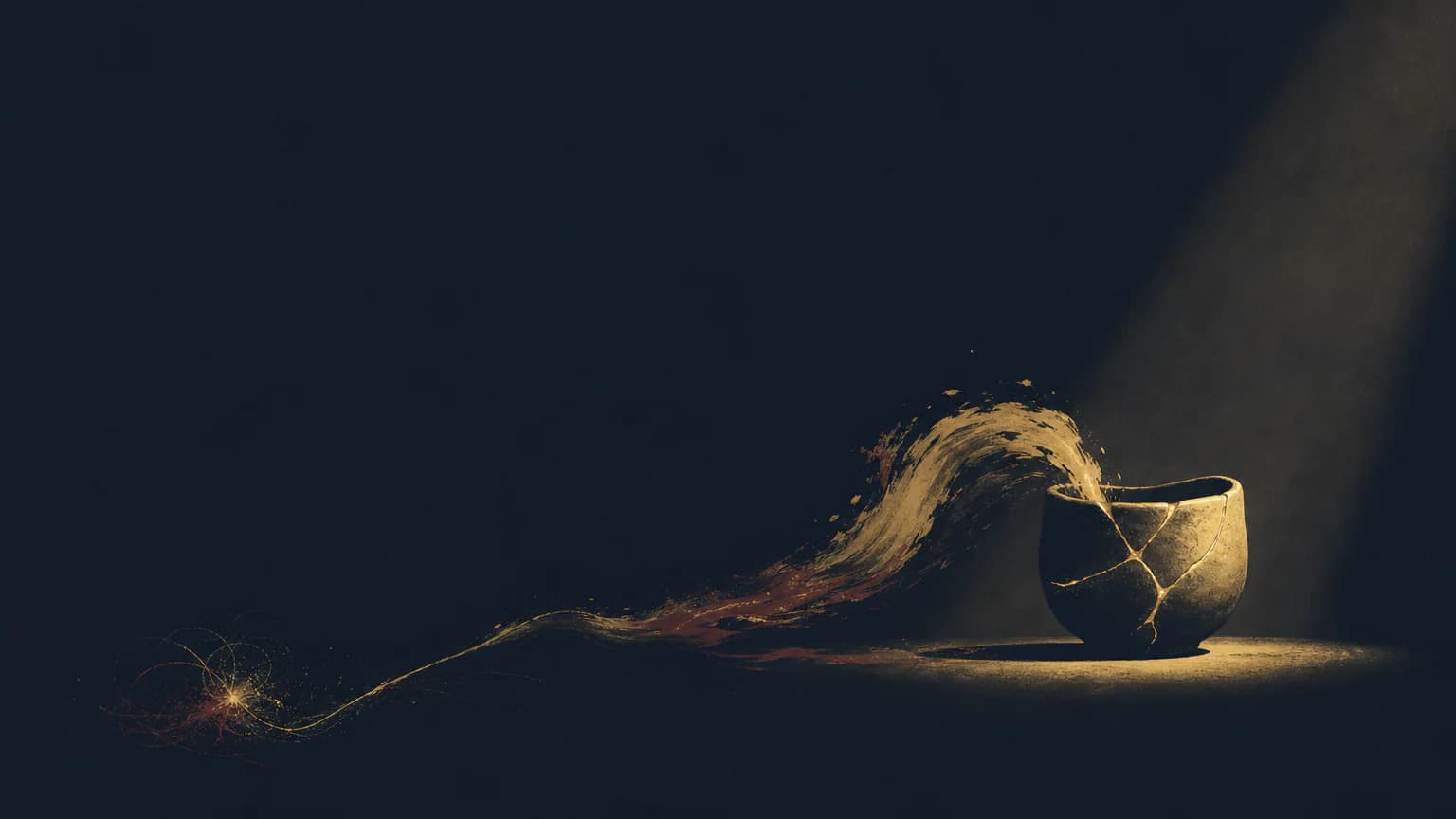
Choose Midnight Ink for a more symbolic dark field without the same emphasis on cinematic human-scale environments.
 Atmospheric
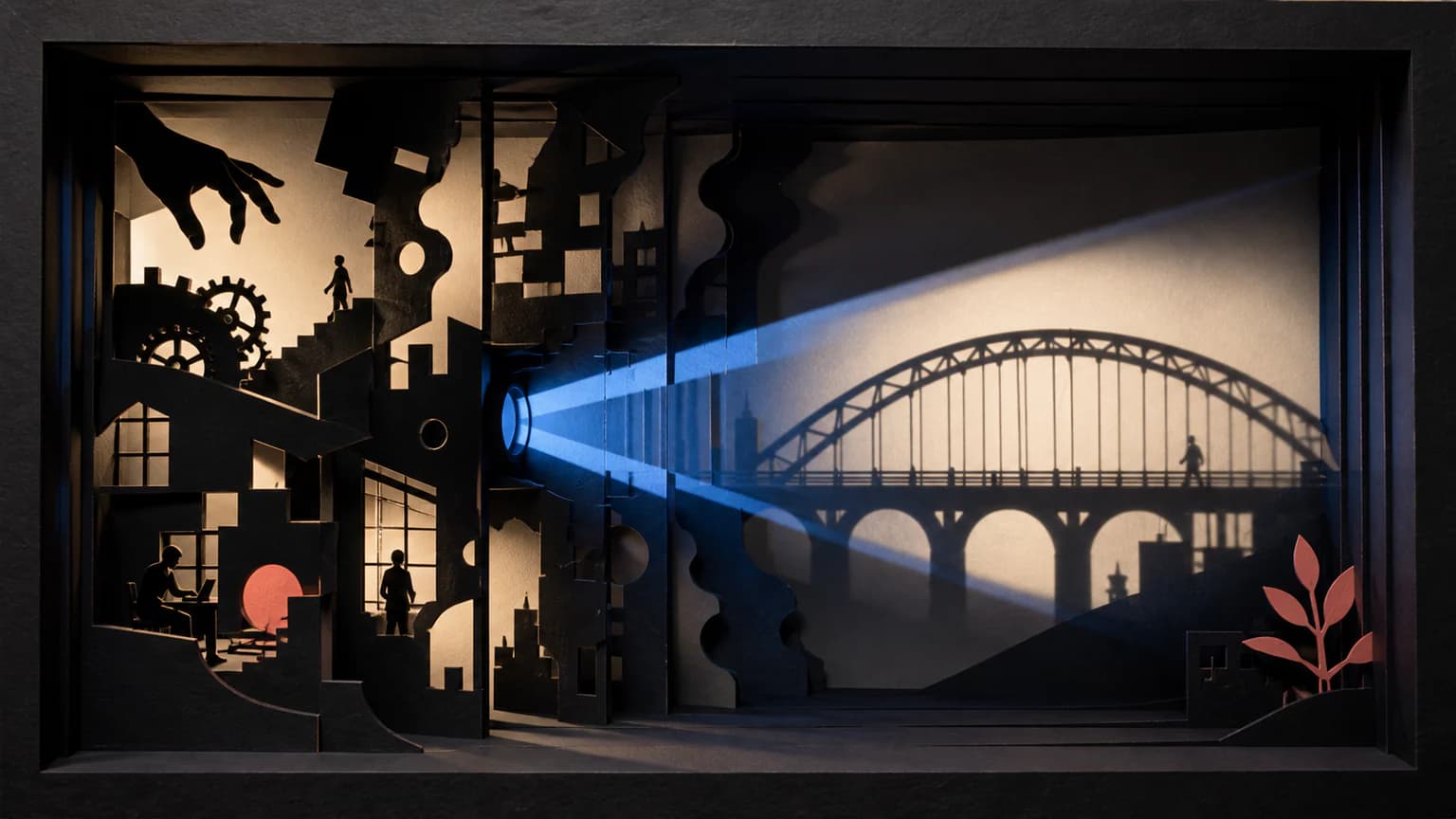
Choose Shadow Stage for an explicitly cut-paper theatrical treatment with layered silhouettes and backlight.
 Conceptual
Ready to use Noir Frames?