Built for
All templates
Sunlit Editorial · Editorial
Landscape Illustrations for Change and Growth Articles
Explore bright landscape illustrations for leadership and change articles. Sunlit Editorial uses matte color fields, layered space, and small human journeys.
No individual image prompts needed. Planning and generation use credits. View plans
Core palette
 Editorial
Visual traits
- High-key color
- Layered depth
- Human journey
- Print grain
Output defaults
- 16:9 article canvas
- One concept per image
- Editable visual briefs
Choosing your article images
Is Sunlit Editorial right for your article?
Sunlit Editorial turns a choice into a route through a broad environment. A small person gives the landscape scale; layered planes distinguish what is close, distant, open, or blocked. This is a conceptual setting for a change narrative, not travel photography or a map. It fits articles where movement through uncertainty matters more than a detailed workplace interaction.
A leadership essay about a change of direction
A route opening through a layered landscape can give the decision a spatial form. Keep the scene tied to a real tension in the writing rather than generic optimism.
A newsletter about learning through transitions
Different vantage points can accompany stages in the argument. The same matte palette connects the set without requiring the same path in every image.
What defines the look
Give change a route through the landscape.
Sunlit Editorial converts an argument about direction into terrain, thresholds, distance, and destination. A figure moves through the system rather than posing inside it, so optimism comes from visible progress rather than decorative sunlight.
Read the illustration style guideHow scenes are arranged
Focal metaphor
Build one dominant physical metaphor around the article's central relationship.
What stays consistent
- one readable human decision
- one environmental system relationship
- foreground-middle-distance depth
- high-key controlled palette
Looks this style avoids
- travel poster
- scenic sunrise
- flowers or ornamental foreground plants
- tourism landscape
How color is used
Palette 1: primary structure and focal subject Palette 2: supporting contrast and secondary forms Palette 3: accent for emphasis and directional cues Palette 4: restrained supporting accent
Example set
A change narrative mapped across one visual world.
Landmarks, matte color, and human scale remain consistent while the route advances from orientation to decision to arrival.
AI-generated examples of this style, not photographs of real people, events, or physical artworks.
EditorialLocate the starting point
Establish the present condition and the distant possibility in one readable field.
 Editorial
Make the decision visible
Use a fork, threshold, ascent, or narrowing route to embody the article's turning point.
 Editorial
Show earned progress
Resolve with changed position and perspective rather than a generic success pose.
How it reads an article
It reads for choices, transitions, and horizons.
The Skill identifies where the article leaves one state, encounters resistance, and commits to another. Color fields establish depth, while a single route or repeated landmark keeps the narrative coherent across images.
Best fit
Use it for leadership, organizational change, personal growth, career transitions, sustainability, and future-of-work writing with constructive momentum.
Choose another style when
Avoid it for investigations, urgent critique, detailed technical mechanisms, or subjects that require interior emotional ambiguity.
Before you choose
Questions about Sunlit Editorial
How does Sunlit Editorial express optimism without becoming generic?
Optimism is shown through movement, changed position, and a purposeful route. Light and open color support the action, but they never replace the article's actual decision or obstacle.
Is Sunlit Editorial suitable for factual location stories?
Its landscapes are imagined editorial scenes. Use photographs or verified maps for an actual destination or route. Choose Sunlit Editorial when a landscape can serve as a metaphor for direction, growth, or the difficulty of moving forward.
How do I use Sunlit Editorial for my article?
Paste your finished draft, select Sunlit Editorial, and choose a starting image count. Zyncli proposes image ideas and placements for you to review before generating. You can edit the briefs without writing each image prompt from scratch.
Does using this style cost credits?
Planning and image generation use credits, and regenerating an image uses more. You see the quoted cost before each step. Official styles do not require you to build a private brand style. See pricing for current plans and credit allowances.
From draft to image set
Bring the article.
The style is ready.
You do not need to learn the drawing technique or write every prompt. Choose this style, review the proposed scenes, and generate the images that fit your writing.
Open-source SkillInstall Sunlit Editorial from GitHub- 01
Add your finished draft
Paste the article, choose this style, and set a starting image count.
- 02
Review the proposed images
Zyncli suggests scenes and placements. Edit the visual briefs before generating.
- 03
Generate and inspect the set
Check each result for meaning, consistency, and unwanted details. Regenerate individual images when needed.
- 04
Download and publish
Place the image files beside the relevant passages. Keep accurate charts, real photos, and product screenshots where your article needs them.
Compare the alternatives
When to choose a different style
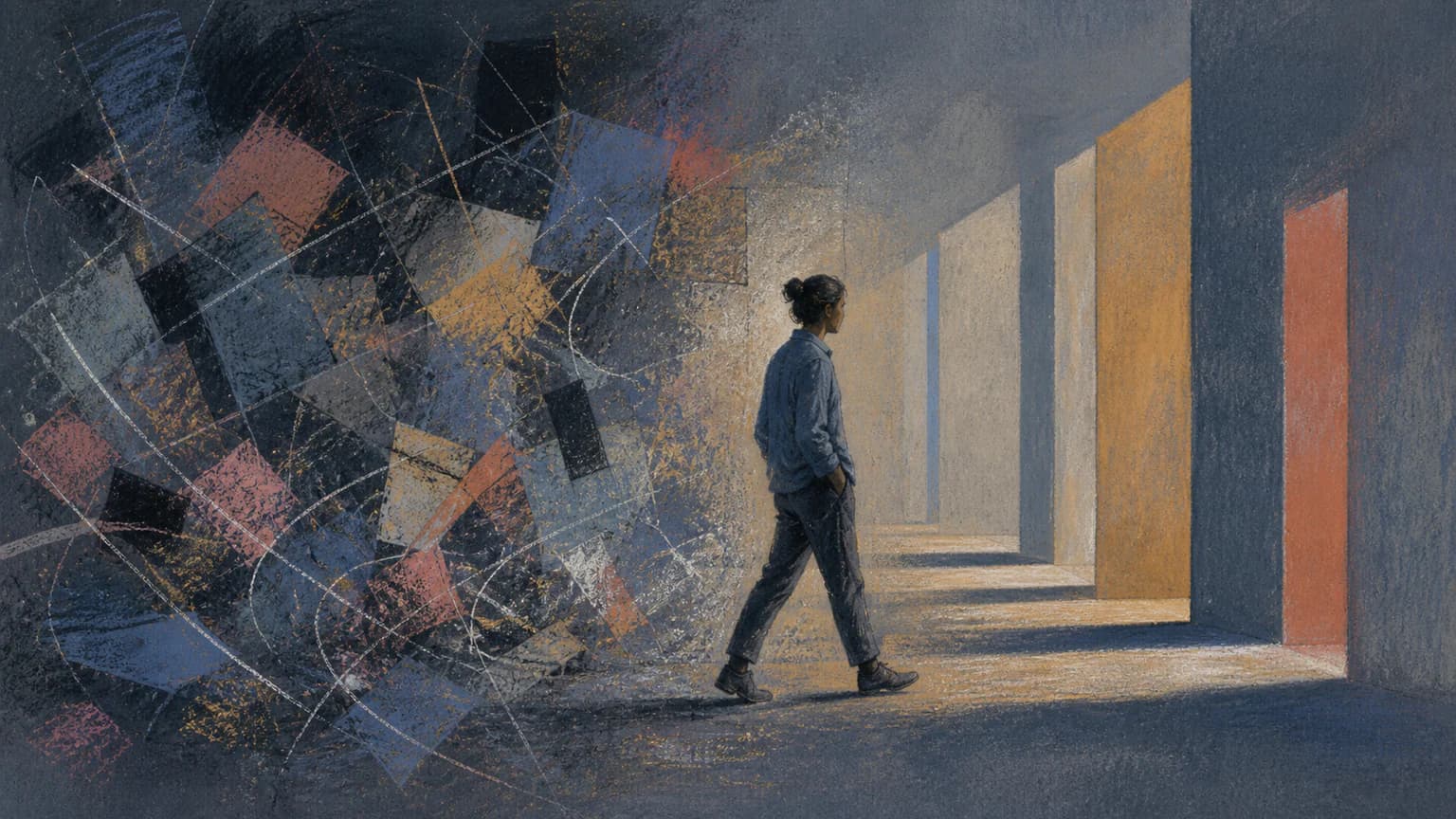
Choose Pastel Threshold for a quieter personal transition with soft edges and less expansive scenery.
 Illustration
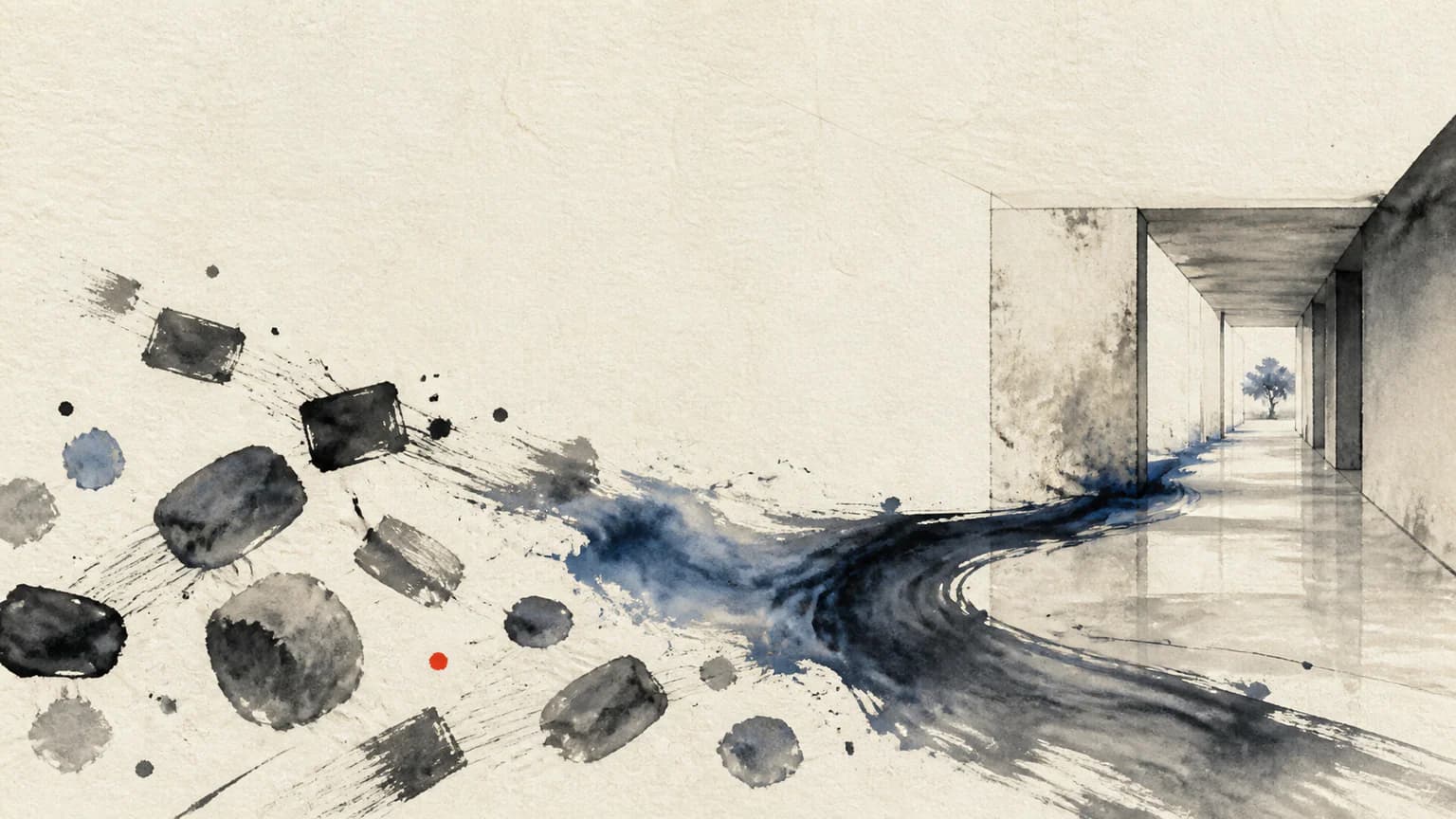
Choose Ink Passage for an ink-wash route with more ambiguity and fewer bright color fields.
 Illustration
Ready to use Sunlit Editorial?