Built for
All templates
Comic Pressure · Editorial
Wordless Comic Illustrations for Opinion Articles
Explore wordless comic illustrations for opinion articles and workplace tradeoffs. Two halftone panels show a situation and its consequence without dialogue.
No individual image prompts needed. Planning and generation use credits. View plans
Core palette
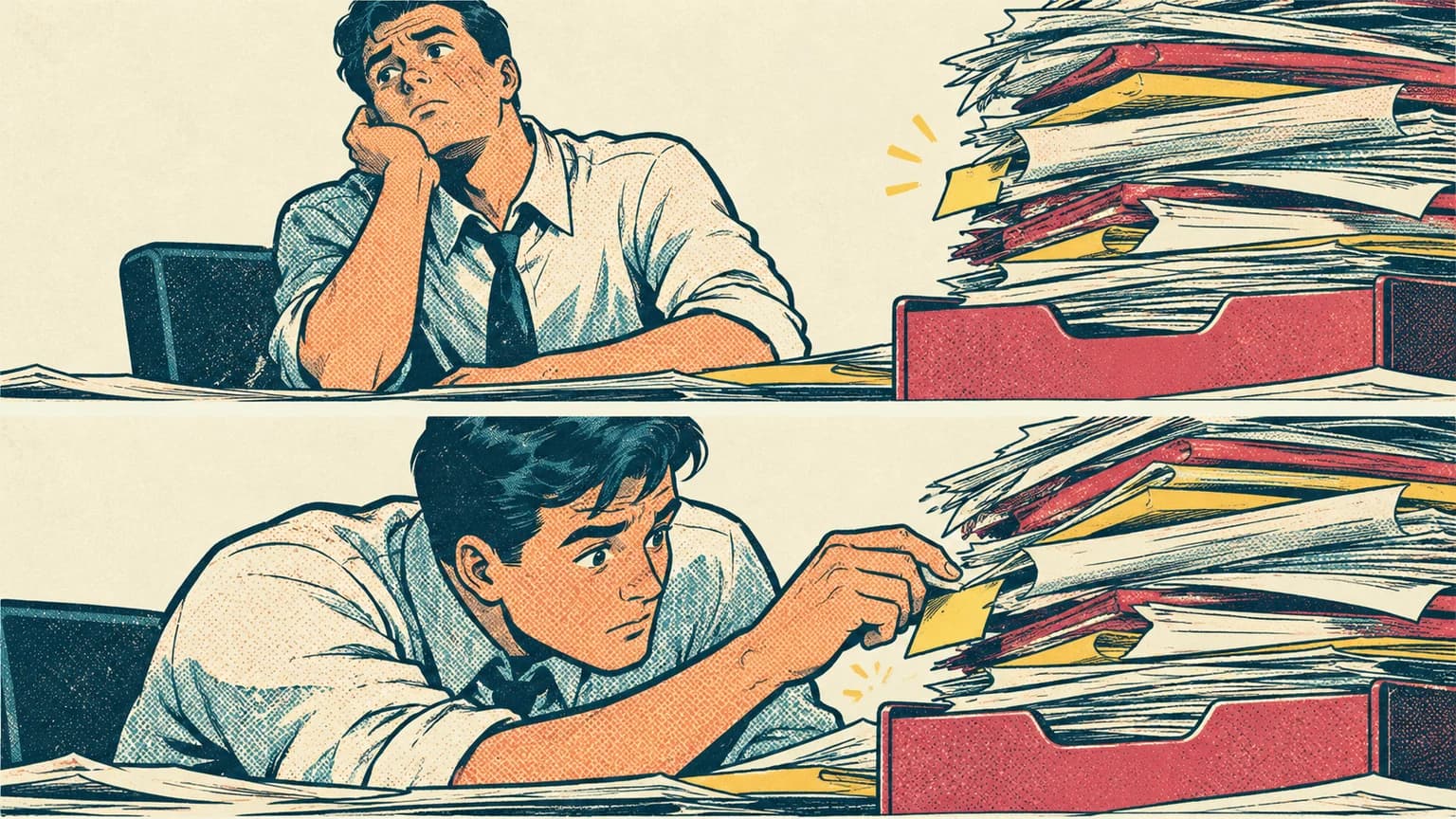 Wordless halftone comic
Visual traits
- Wordless halftone comic
- Punchy
- two readable sequential panels
- same subject across the change
Output defaults
- 16:9 article canvas
- One concept per image
- Editable visual briefs
Choosing your article images
Is Comic Pressure right for your article?
Comic Pressure uses a two-panel change rather than one symbolic scene. The same subject encounters a consequence, letting the reader compare the two moments without a speech bubble. Halftone dots and limited print-like colors give the pair a consistent surface. It works when the argument has a visible before-and-after, but not when the connection requires a long written explanation.
An opinion article about unintended consequences
A second panel can reveal what an apparently simple action creates. Keep the central subject recognizable so the reader understands the change rather than two unrelated scenes.
A workplace newsletter about a tradeoff
A claim and a physical consequence can fit in one article image. Use the two panels for one point instead of compressing the entire article into a comic strip.
What defines the look
Show the change between two moments.
Use the first panel to establish one action and the second to show its consequence. Readers should connect the two without dialogue. Keep the central subject recognizable while its situation changes.
Read the illustration style guideHow scenes are arranged
Focal metaphor
Build one dominant physical metaphor around the article's central relationship.
What stays consistent
- two readable sequential panels
- same subject across the change
- visible causal action
- limited print palette
Looks this style avoids
- speech balloons
- comic sound-effect words
- superhero franchise cues
- unrelated montage panels
How color is used
Palette 1: primary structure and focal subject Palette 2: supporting contrast and secondary forms Palette 3: accent for emphasis and directional cues Palette 4: restrained supporting accent
Example set
Comic Pressure in three different situations
These examples use distinct scenes to show the range of the style. Keep the material language when you bring your own article, rather than copying a sample composition.
AI-generated examples of this style, not photographs of real people, events, or physical artworks.
Wordless halftone comicNotice the signal
A character overlooks a tiny signal, then changes their focus to examine it.
 Wordless halftone comic
See the consequence
A character adds one more check, then faces the queue it creates.
 Wordless halftone comic
Change the arrangement
Different contributors find a shared route after moving one obstacle.
How it reads an article
Use the material to show the relationship.
An article about extra approval layers can show a worker adding a gate, then trying to pass through the resulting queue. A useful resolution changes the process rather than giving the character a trophy.
Best fit
Use Comic Pressure for opinion pieces, everyday tradeoffs, workplace consequences. Choose it when the material and actions suit the point in your draft.
Choose another style when
Avoid it for content that needs photographic evidence, a nuanced portrait of a real person, or a complex multi-step lesson.
Before you choose
Questions about Comic Pressure
When should I choose Comic Pressure?
Use the first panel to establish one action and the second to show its consequence. Readers should connect the two without dialogue. Keep the central subject recognizable while its situation changes. Avoid it for content that needs photographic evidence, a nuanced portrait of a real person, or a complex multi-step lesson.
Will Comic Pressure write dialogue or a complete comic book?
No. This direction creates wordless two-panel editorial images. The physical change carries the idea, with your article supplying the context. It is not a comic-book page editor, lettering tool, or guarantee of character continuity across a long story.
How do I use Comic Pressure for my article?
Paste your finished draft, select Comic Pressure, and choose a starting image count. Zyncli proposes image ideas and placements for you to review before generating. You can edit the briefs without writing each image prompt from scratch.
Does using this style cost credits?
Planning and image generation use credits, and regenerating an image uses more. You see the quoted cost before each step. Official styles do not require you to build a private brand style. See pricing for current plans and credit allowances.
From draft to image set
Bring the article.
The style is ready.
You do not need to learn the drawing technique or write every prompt. Choose this style, review the proposed scenes, and generate the images that fit your writing.
Open-source SkillInstall Comic Pressure from GitHub- 01
Add your finished draft
Paste the article, choose this style, and set a starting image count.
- 02
Review the proposed images
Zyncli suggests scenes and placements. Edit the visual briefs before generating.
- 03
Generate and inspect the set
Check each result for meaning, consistency, and unwanted details. Regenerate individual images when needed.
- 04
Download and publish
Place the image files beside the relevant passages. Keep accurate charts, real photos, and product screenshots where your article needs them.
Compare the alternatives
When to choose a different style
Choose Raw Logic when one deadpan scene can expose the contradiction without a sequential second panel.
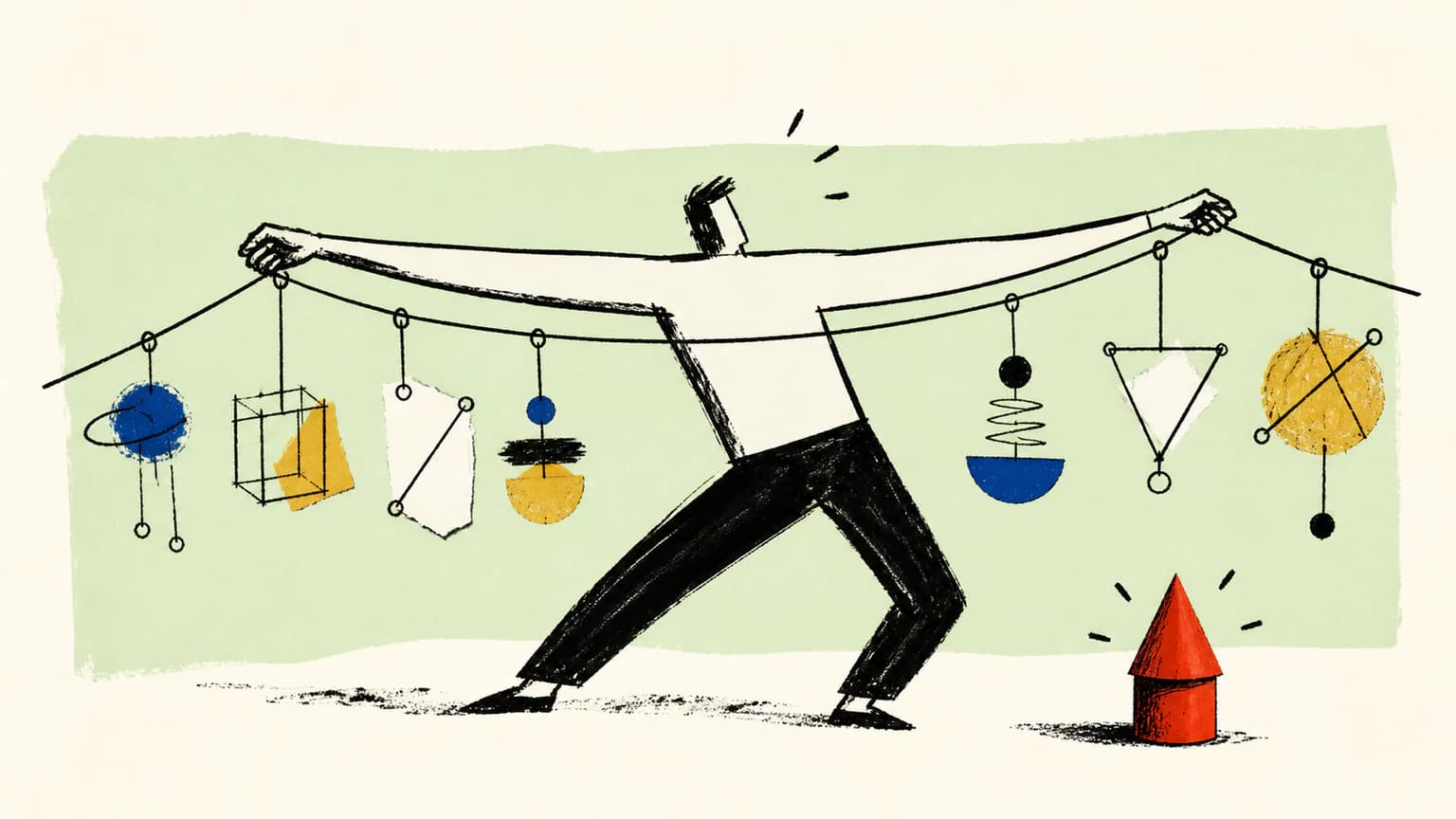 Editorial
Choose Rubber Hose Workshop for elastic physical comedy within one scene rather than a halftone before-and-after pair.
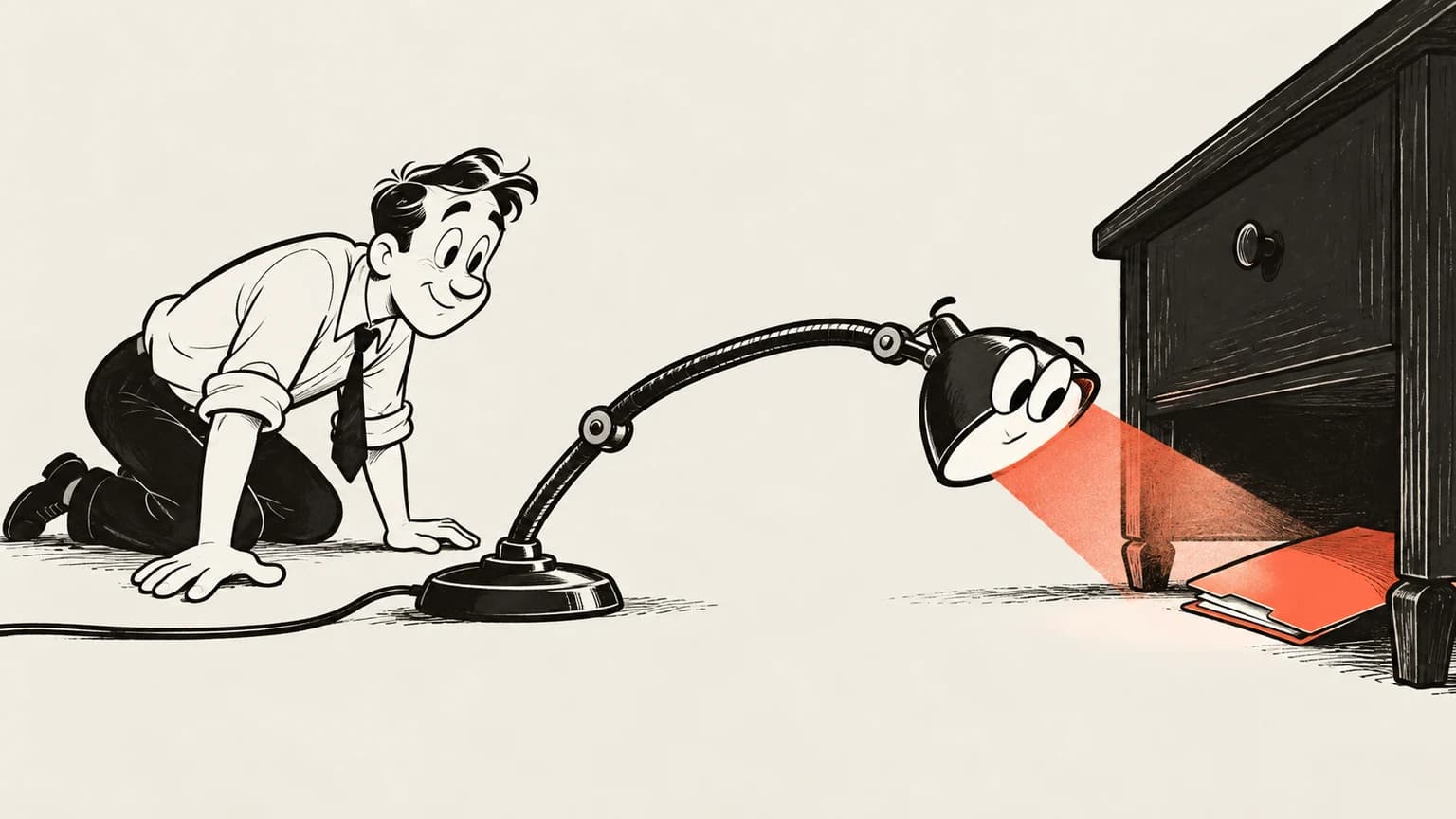 Vintage cartoon ink
Ready to use Comic Pressure?