Built for
All templates
Human Lines · Illustration
Hand-Drawn Illustrations for Personal Essays
Add expressive hand-drawn illustrations to personal essays and wellbeing writing. Human Lines combines imperfect ink, spot color, and adult gestures.
No individual image prompts needed. Planning and generation use credits. View plans
Core palette
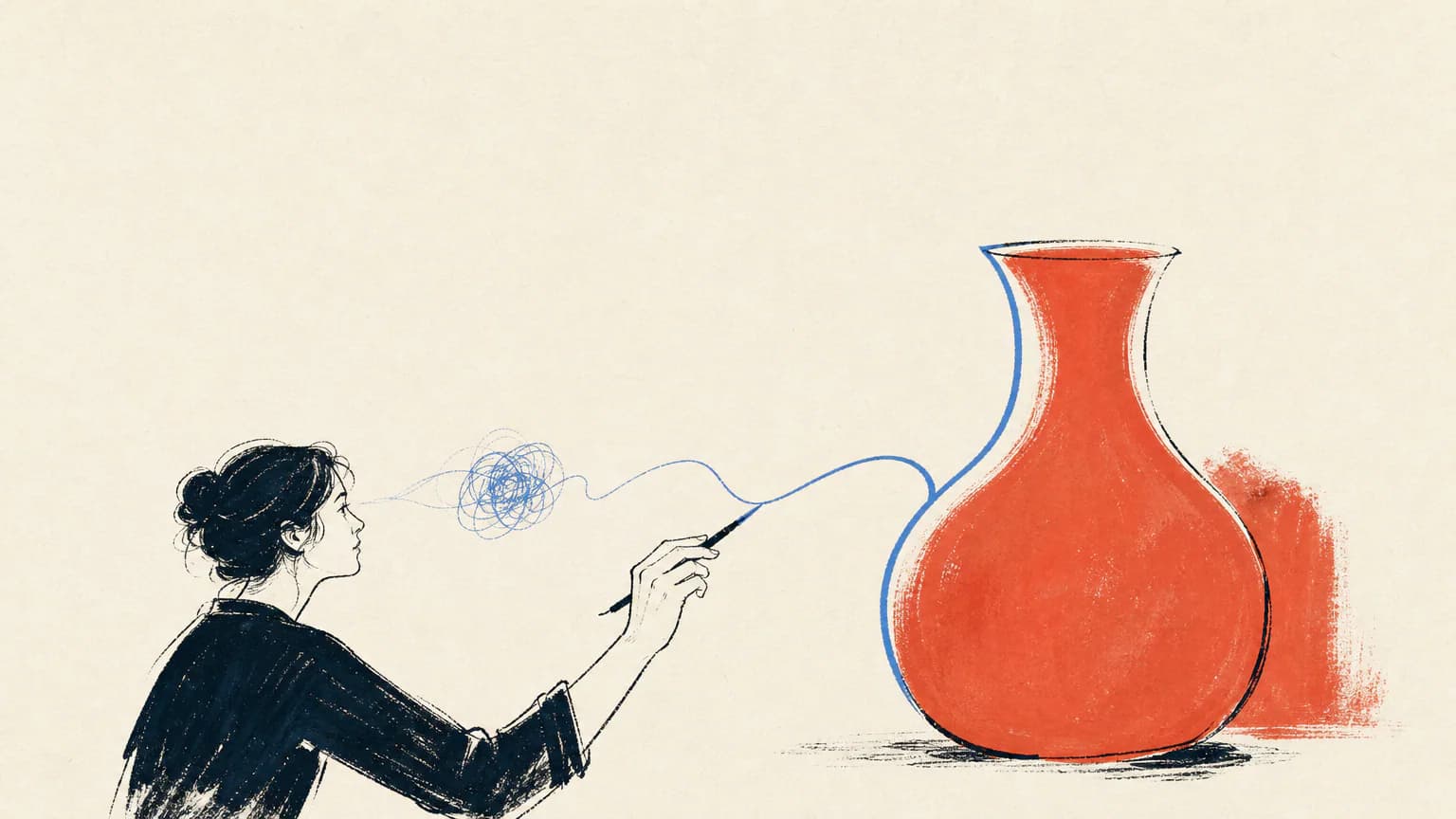 Illustration
Visual traits
- Imperfect ink
- Spot color
- Surreal metaphor
- Editorial restraint
Output defaults
- 16:9 article canvas
- One concept per image
- Editable visual briefs
Choosing your article images
Is Human Lines right for your article?
Human Lines suits writing where a feeling needs an action rather than a literal portrait. Uneven ink and selective color leave room for ambiguity; an adult figure gives a surreal object or relationship a human scale. The result can accompany vulnerability and creative uncertainty without making the article look like a children's story or a polished motivational poster.
An essay about creative hesitation
A figure approaching an awkward opening can embody reluctance. The image should support the writer's feeling without inventing an autobiographical event.
A wellbeing newsletter about boundaries
A simple gesture of holding, leaving, or making space can express the topic. Keep any health claims in sourced prose, separate from the visual metaphor.
What defines the look
Let the line carry hesitation and conviction.
Human Lines uses variation in pressure, incompleteness, and gesture to mirror the emotional precision of the passage. One improbable object or spatial condition gives the idea a conceptual turn, while the drawing remains adult and restrained.
Read the illustration style guideHow scenes are arranged
Focal metaphor
Build one dominant physical metaphor around the article's central relationship.
What stays consistent
- one emotionally precise human action
- one surprising but legible metaphor
- visible hand-drawn variation
- restrained black plus one or two spot colors
Looks this style avoids
- cute mascot
- children's-book rendering
- generic flat-vector character
- perfect digital outline
How color is used
Palette 1: primary structure and focal subject Palette 2: supporting contrast and secondary forms Palette 3: accent for emphasis and directional cues Palette 4: restrained supporting accent
Example set
An emotional argument drawn with restraint.
Line quality and spot color stay consistent while gesture and metaphor follow the writer's changing point of view.
AI-generated examples of this style, not photographs of real people, events, or physical artworks.
IllustrationIntroduce the inner tension
Use pose and empty space to establish the emotion beneath the opening claim.
 Illustration
Give the conflict a metaphor
Add one surreal physical condition that makes the contradiction visible without overexplaining it.
 Illustration
Close with a human gesture
Resolve the sequence through posture or action rather than a neat symbolic answer.
How it reads an article
It reads for contradiction, vulnerability, and change.
The Skill finds the sentence where the writer's internal state changes or conflicts with the external situation. It gives that tension a human pose and a simple surreal condition that can be felt before it is explained.
Best fit
Use it for personal essays, wellbeing, creative practice, psychology, and writing where a human voice matters more than systematic explanation.
Choose another style when
Avoid it for precise technical education, evidence-heavy reports, literal product demonstration, or formal brand systems that require polished geometry.
Before you choose
Questions about Human Lines
What makes Human Lines feel authored?
The line is allowed to hesitate, break, and vary, and the metaphor grows from the passage's emotional contradiction. That prevents the result from feeling like a generic vector system with a hand-drawn filter.
Can Human Lines illustrate an essay without showing my face?
Yes. Its figures can represent a feeling or a situation without being a portrait of the author. Review the plan for the right gesture and emotional distance; you do not need to supply a personal photograph to use this official style.
How do I use Human Lines for my article?
Paste your finished draft, select Human Lines, and choose a starting image count. Zyncli proposes image ideas and placements for you to review before generating. You can edit the briefs without writing each image prompt from scratch.
Does using this style cost credits?
Planning and image generation use credits, and regenerating an image uses more. You see the quoted cost before each step. Official styles do not require you to build a private brand style. See pricing for current plans and credit allowances.
From draft to image set
Bring the article.
The style is ready.
You do not need to learn the drawing technique or write every prompt. Choose this style, review the proposed scenes, and generate the images that fit your writing.
Open-source SkillInstall Human Lines from GitHub- 01
Add your finished draft
Paste the article, choose this style, and set a starting image count.
- 02
Review the proposed images
Zyncli suggests scenes and placements. Edit the visual briefs before generating.
- 03
Generate and inspect the set
Check each result for meaning, consistency, and unwanted details. Regenerate individual images when needed.
- 04
Download and publish
Place the image files beside the relevant passages. Keep accurate charts, real photos, and product screenshots where your article needs them.
Compare the alternatives
When to choose a different style
Choose Ink Metaphor for a more substantial ink-and-watercolor scene built around one symbolic action.
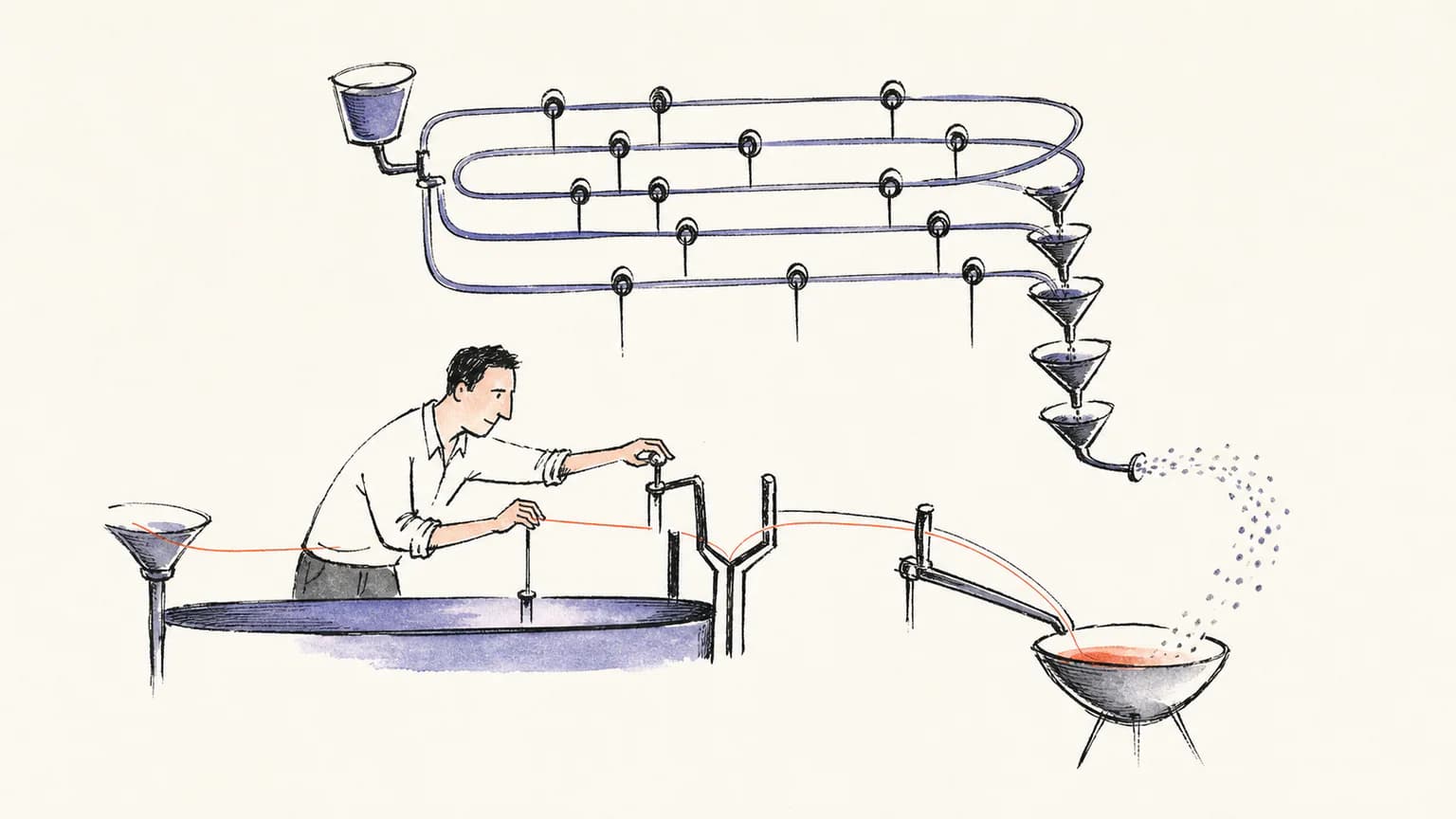 Editorial
Choose Quiet Support when gentle relationships and emotional restraint matter more than expressive ink marks.
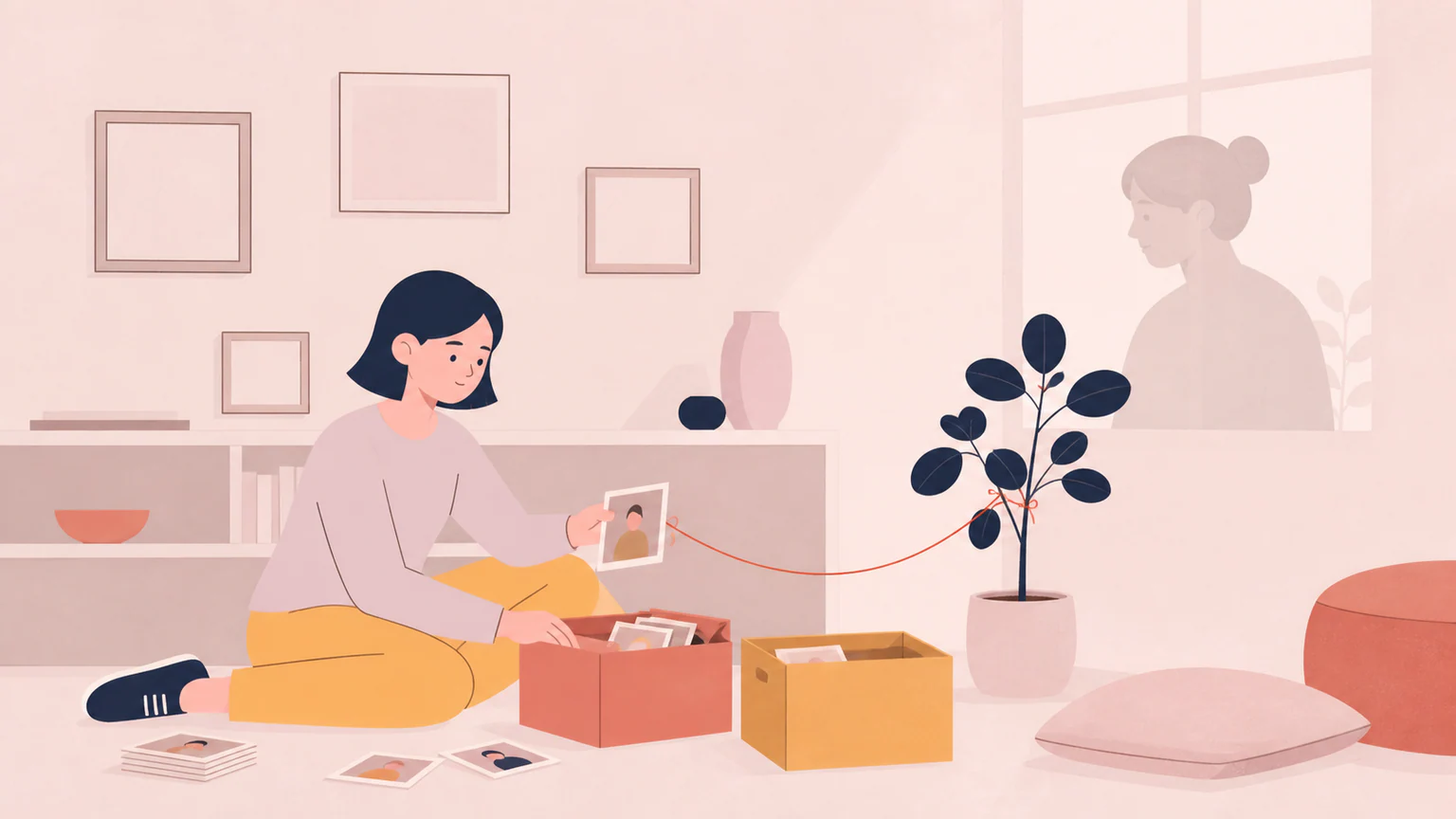 Illustration
Ready to use Human Lines?