Built for
All templates
Botanical Contraptions · Conceptual
Botanical Illustrations for Growth and Systems Essays
Explore botanical-style illustrations for growth and interdependence essays. Invented plant mechanisms use roots, grafts, and supports to explain a relationship.
No individual image prompts needed. Planning and generation use credits. View plans
Core palette
 Botanical engraving
Visual traits
- Botanical engraving
- Inventive
- one coherent botanical mechanism
- visible root or graft relationship
Output defaults
- 16:9 article canvas
- One concept per image
- Editable visual briefs
Choosing your article images
Is Botanical Contraptions right for your article?
Botanical Contraptions treats growth as a system of dependencies rather than a decorative leaf motif. Fine green linework, copper details, and visible grafts give an imagined plant a mechanism. It suits writing about support, limits, and mutual reliance. The plants are invented metaphors, not identified species or botanical diagrams suitable for cultivation, diagnosis, or scientific reference.
An essay about the conditions for growth
Roots meeting a limit or receiving support can embody the argument. The plant should make the constraint visible rather than merely stand for progress.
A systems newsletter about interdependence
A graft or shared root structure can express how one part relies on another. Keep the relationship internally clear even though the imagined plant is not biologically real.
What defines the look
Make the dependence visible in the graft.
Choose an organic relationship that explains your passage: roots carrying support, a graft changing a branch's direction, or a seedpod protecting a fragile start. Keep the plant invented and the mechanism readable.
Read the illustration style guideHow scenes are arranged
Focal metaphor
Build one dominant physical metaphor around the article's central relationship.
What stays consistent
- one coherent botanical mechanism
- visible root or graft relationship
- clear distinction from a real specimen
- fine authored linework
Looks this style avoids
- scientific claim of a real species
- decorative floral wreath
- steampunk gears
- fake Latin labels
How color is used
Palette 1: primary structure and focal subject Palette 2: supporting contrast and secondary forms Palette 3: accent for emphasis and directional cues Palette 4: restrained supporting accent
Example set
Botanical Contraptions in three different situations
These examples use distinct scenes to show the range of the style. Keep the material language when you bring your own article, rather than copying a sample composition.
AI-generated examples of this style, not photographs of real people, events, or physical artworks.
Botanical engravingProtect the beginning
An invented seedpod opens around one supported new shoot.
 Botanical engraving
One root, several demands
Several distinct branches depend on one shared root system.
 Botanical engraving
Grow without copying
Different branches share an intact support system while retaining their own forms.
How it reads an article
Use the material to show the relationship.
Mutual support can appear as two different stems joined by a load-bearing graft. A resource bottleneck can become one root channel feeding several branches; the composition should make that dependence clear.
Best fit
Use Botanical Contraptions for growth and constraints, interdependence, care and stewardship. Choose it when the material and actions suit the point in your draft.
Choose another style when
Avoid it for medical or agricultural advice, botanical identification, and factual claims about a named species.
Before you choose
Questions about Botanical Contraptions
When should I choose Botanical Contraptions?
Choose an organic relationship that explains your passage: roots carrying support, a graft changing a branch's direction, or a seedpod protecting a fragile start. Keep the plant invented and the mechanism readable. Avoid it for medical or agricultural advice, botanical identification, and factual claims about a named species.
Can botanical illustrations explain a non-botanical topic?
Yes. Roots, supports, grafts, and branching can make dependency and growth tangible in an organizational or personal essay. Keep the visual metaphor explicit, and use accurate scientific imagery instead if the article concerns actual plants or horticultural instructions.
How do I use Botanical Contraptions for my article?
Paste your finished draft, select Botanical Contraptions, and choose a starting image count. Zyncli proposes image ideas and placements for you to review before generating. You can edit the briefs without writing each image prompt from scratch.
Does using this style cost credits?
Planning and image generation use credits, and regenerating an image uses more. You see the quoted cost before each step. Official styles do not require you to build a private brand style. See pricing for current plans and credit allowances.
From draft to image set
Bring the article.
The style is ready.
You do not need to learn the drawing technique or write every prompt. Choose this style, review the proposed scenes, and generate the images that fit your writing.
Open-source SkillInstall Botanical Contraptions from GitHub- 01
Add your finished draft
Paste the article, choose this style, and set a starting image count.
- 02
Review the proposed images
Zyncli suggests scenes and placements. Edit the visual briefs before generating.
- 03
Generate and inspect the set
Check each result for meaning, consistency, and unwanted details. Regenerate individual images when needed.
- 04
Download and publish
Place the image files beside the relevant passages. Keep accurate charts, real photos, and product screenshots where your article needs them.
Compare the alternatives
When to choose a different style
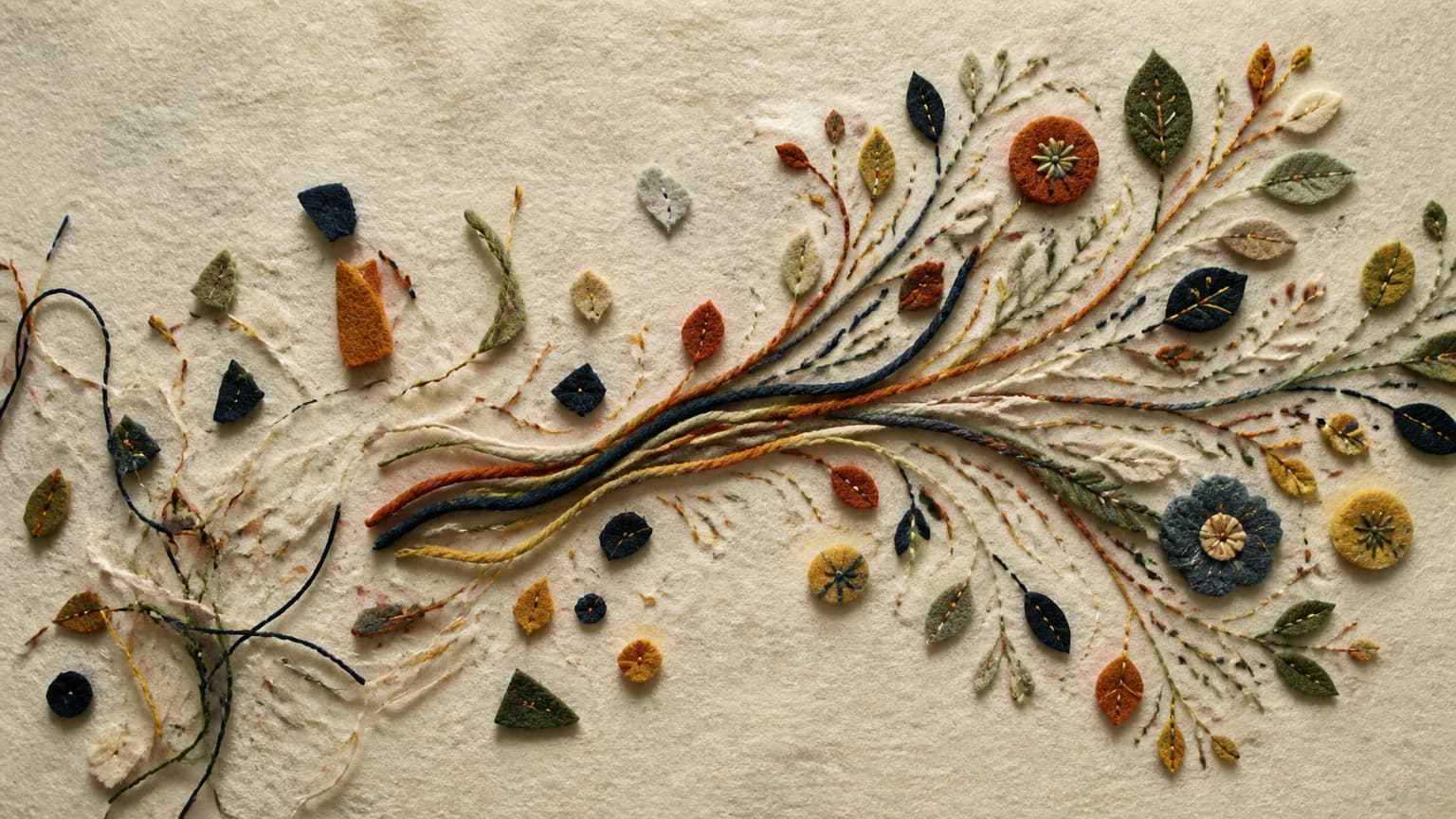
Choose Felted Logic for stitched, repairable connections instead of root and graft relationships.
 3D
Choose Constellation Hands when human stewardship of shared contributions matters more than a plant-based mechanism.
 Illustration
Ready to use Botanical Contraptions?